

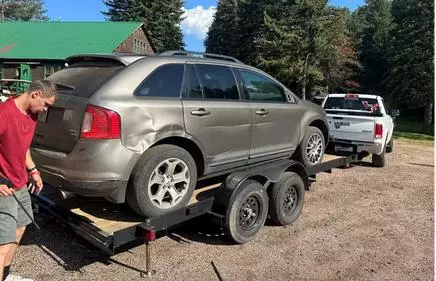
Are Car Trailers Better Than Tow Dollies for Hauling Vehicles?
 Neighbors Trailer
Feb 23, 2024 652 7 min read car traile
Car Trailers vs Tow Dollies: Which Vehicle Hauler Is Right for You?
If you need to move a vehicle and you do not want to pay a tow truck or shipping company, you are looking at two clear DIY options: a car trailer or a tow dolly. Both can pull your car behind a pickup or SUV, both are widely available as peer-to-peer rentals, and both can save you hundreds of dollars compared with hiring a transport company. The difference is how each one carries the load, what kind of vehicle it works with, and how much it costs to rent for the day.
This guide breaks down the practical differences so you can pick the right rental the first time. Whether you are relocating across state lines, hauling a project car home from an auction, or rescuing a broken-down sedan, knowing which trailer fits the job will save you money, wear and tear, and stress on the road.
Quick Answer: When to Pick Each Option
A car trailer carries the entire vehicle off the ground on a flat deck, so all four wheels are loaded onto the trailer. A tow dolly is a smaller, two-wheeled rig that lifts only the front wheels of the towed vehicle while the rear wheels roll on the road. That single design difference drives almost every other tradeoff. If your towed car is rear-wheel drive, four-wheel drive, all-wheel drive, or a heavy long-distance haul, you almost always want a car trailer. If you are towing a light front-wheel-drive car a short distance and want the cheapest, easiest setup, a tow dolly is a fair fit.
Side-by-Side Comparison
| Feature | Car Trailer | Tow Dolly |
| Wheels on the ground | Zero (full deck haul) | Two (rear wheels of vehicle roll) |
| Drivetrain compatibility | Any: FWD, RWD, AWD, 4WD | FWD only without disconnecting driveshaft |
| Average daily rental cost | $80 to $140 | $45 to $80 |
| Setup and load time | 15 to 25 minutes | 5 to 10 minutes |
| Wear on towed vehicle | None, vehicle is fully suspended | Mileage and wear added to rear wheels and tires |
| Best trip distance | Any distance, including cross-country | Under 200 miles for best results |
| Tow vehicle requirement | 3,500 lb or higher tow rating typical | 2,000 lb or higher tow rating typical |
| Backing up | Possible with practice | Not recommended, dolly jackknifes easily |
Why a Car Trailer Wins for Most Hauls
The biggest reason renters choose a car trailer is simple: every wheel of the towed vehicle is off the pavement. That means no added odometer miles, no added tire wear, no risk of transmission damage on automatic or AWD cars, and no special prep work like disconnecting a driveshaft. You drive the car onto the deck, strap it down, and go. For a deeper rundown on choosing the right deck size and weight rating, our beginners guide to choosing the right car trailer rental walks through axle ratings, deck length, and brake setup.
Best Use Cases for a Car Trailer
Long-distance moves, cross-country relocations, hauling classic or restored vehicles to shows, transporting any AWD or 4WD vehicle, hauling a non-running project car, and any time the towed vehicle is heavy or valuable enough that you do not want extra miles on it. Our car hauler calculator matches a deck length and weight rating to the exact vehicle you are moving. If you are towing for the first time, also read our guide to prepping your truck for a car trailer haul before you book.
When a Tow Dolly Makes Sense
Tow dollies have a real role in the rental world. They are lighter, cheaper, faster to load, and easier to store at home if you own one. For a quick errand, a short rescue tow, or moving a small front-wheel-drive commuter car a couple of hours away, a dolly can do the job for less money than a full trailer. The catch is the FWD requirement and the wear on the towed vehicle. Drag a rear-wheel-drive car on a dolly and you are spinning a transmission with no oil pressure, which is a fast track to a rebuild bill.
Tow Dolly Limits to Know Before You Book
You cannot back up a tow dolly more than a few feet without jackknifing the rig. You should not exceed 55 mph with a loaded dolly on most rigs. Long highway stretches put real mileage and tire wear on the towed vehicle. And many AWD vehicles cannot be towed on a dolly at all without mechanical disconnection, which is rarely worth the trouble.
Cost Breakdown: Trailer vs Dolly
Daily rental cost is only one piece of the picture. Our rental-cost estimator shows current daily rates near you so you can compare the real numbers. Fuel, wear, and time all factor in. The chart below shows what a typical 300-mile haul really costs once you include estimated tire wear and added mileage on the towed vehicle.
NeighborsTrailer.com
The headline is that the dollar gap between a dolly and a trailer narrows fast once you account for added mileage and tire wear on the vehicle being towed. For anything past a couple hundred miles, the trailer often costs less in real terms once you net out the wear.
Safety and Legal Considerations
Both options require a safe tow vehicle, working trailer lights, properly rated safety chains, and a hitch that matches the trailer coupler. Many states require trailer brakes above a certain combined weight, which is far more relevant for car trailers since they are heavier. Verify your tow rating against the loaded weight, not the empty trailer weight, and confirm your hitch class supports the load. If you are unsure how your auto policy responds to a towed vehicle, it is worth reading our quick overview on auto insurance and car trailer rentals before you hit the road.
FAQ
Can I tow an AWD or 4WD vehicle on a tow dolly?
Generally no. AWD and 4WD vehicles need all four wheels off the ground or the drivetrain has to be mechanically disconnected. A car trailer is the safer, simpler option for any AWD or 4WD haul.
How long does it take to load a car onto a trailer?
About 15 to 25 minutes for a first-time renter, including positioning the trailer, driving the car up the ramps, chocking the tires, and securing all four tie-downs. With a few rentals under your belt you can cut that in half.
Do I need a special license to tow a car trailer?
For most personal hauls in the United States, a regular driver license is enough. Some states have weight thresholds that require a special endorsement, so check your state DMV if your loaded combined weight is over 10,000 lbs.
Why do tow dollies have a 55 mph speed limit?
Most dolly manufacturers cap towing at 55 mph because the towed vehicle is rolling on its own rear tires with no driver input. Higher speeds increase the risk of sway, tire failure, and loss of control.
Is renting cheaper than hiring a tow truck?
Almost always, yes. A long-distance tow truck can run $4 to $6 per mile, while a peer-to-peer trailer rental for the same trip is typically a flat day rate of $80 to $140 plus your own fuel.
Final Verdict
For most renters, the car trailer is the smarter pick. It works with every drivetrain, adds zero wear to the towed vehicle, and gives you the confidence to take any route at highway speed. The tow dolly still has a place for short, light, front-wheel-drive jobs where speed of setup and rock-bottom rental cost matter more than long-haul comfort. Match the tool to the trip and you will save real money either way. Browse local owners on Neighbors Trailer to see what is available in your area, then book the option that fits your vehicle and your route.
Related Articles
- Car Trailer Rental Tie-Down Guide
- Used Car Trailer Buying Guide
- How to Choose the Right Car Trailer Rental for Your Needs
- Can Your Vehicle Safely Tow a Trailer
Content updated May 2026