

A Beginner's Guide to Choosing the Right Car Trailer Rental
 Neighbors Trailer
May 28, 2023 932 10 min read car trailer rental, vehicle haul
A Beginners Guide to Choosing the Right Car Trailer Rental
Moving a vehicle from one location to another without putting miles on the odometer is a common challenge for car buyers, sellers, collectors, and anyone relocating across state lines. A car trailer rental from Neighbors Trailer solves that problem at a fraction of the cost of hiring a professional transport service, but picking the right trailer matters just as much as the rental price itself.
This guide walks first-time renters through the different car trailer types, explains which vehicles fit on which trailers, and helps you avoid the costly mistakes that beginners make when booking their first car hauling trip.
Open vs. Enclosed Car Trailers: Which Do You Need?
Open Car Trailers (Flatbed and Car Haulers)
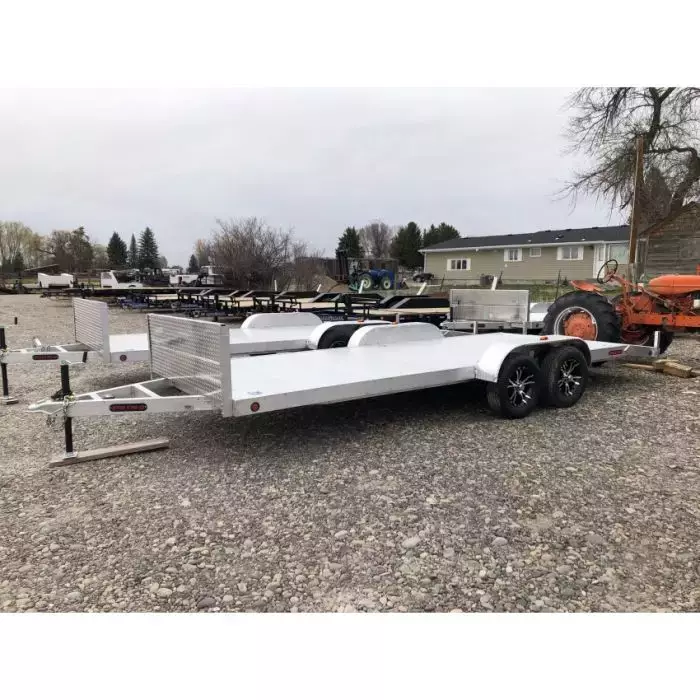
Open car trailers are the most popular and affordable option for vehicle transport. They come in two main styles: flatbed trailers with a flat deck and ramps, and dedicated car haulers with built-in wheel wells, tie-down tracks, and sometimes a tilt-deck mechanism for easy loading. Open trailers cost less to rent, weigh less (meaning better fuel economy), and make it easier to inspect your vehicle during transport. The trade-off is that your car sits exposed to weather, road debris, and dust throughout the trip.
Enclosed Car Trailers
Enclosed trailers wrap your vehicle in a protective shell that blocks rain, sun, gravel, and prying eyes. They are the preferred choice for classic cars, show vehicles, high-value sports cars, and any situation where cosmetic perfection matters. Enclosed trailers cost more to rent and weigh more, which means your tow vehicle needs a higher towing capacity. But for anyone moving a freshly painted project car or a vehicle worth more than $30,000, the extra protection is well worth the premium.
Car Trailer Size and Weight Capacity Comparison
Choosing the wrong size trailer leads to dangerous overloading or wasted money on a trailer that is bigger than you need. The table below outlines common car trailer sizes, their weight limits, and the vehicles they can handle.
| Trailer Type | Typical Length | Weight Capacity | Best For |
| Tow Dolly | 8 - 10 ft | 3,500 - 4,900 lbs | Small sedans, compact cars |
| Flatbed Car Hauler | 16 - 20 ft | 5,000 - 7,000 lbs | Sedans, SUVs, small trucks |
| Tilt-Deck Car Trailer | 18 - 22 ft | 7,000 - 10,000 lbs | Low-clearance vehicles, sports cars |
| Enclosed Car Trailer | 16 - 24 ft | 5,000 - 10,000 lbs | Classic cars, high-value vehicles |
| Gooseneck Car Trailer | 20 - 36 ft | 10,000 - 14,000 lbs | Multiple vehicles, heavy trucks |
Always check the Gross Vehicle Weight Rating (GVWR) listed on the trailer before booking. Your vehicle's curb weight plus any cargo inside should stay at least 10 percent below that rating to maintain a safe margin.
NeighborsTrailer.com
How to Match Your Vehicle to the Right Trailer
Sedans and Compact Cars (Under 4,000 lbs)
Most sedans, coupes, and compact cars fit comfortably on a standard flatbed car hauler or even a tow dolly. A tow dolly lifts the front wheels off the ground while the rear wheels roll on the road, making it the lightest and most affordable transport option. However, tow dollies only work for front-wheel-drive or rear-wheel-drive vehicles with the drive wheels lifted. All-wheel-drive cars must use a full flatbed trailer so no driven wheels contact the pavement during transport.
SUVs, Crossovers, and Light Trucks (4,000 - 6,500 lbs)
Midsize SUVs and pickup trucks need a full-size flatbed or car hauler rated for at least 7,000 pounds. Tow dollies cannot handle the weight, and shorter trailers may not have enough deck length. Measure your vehicle's overall length and compare it to the trailer deck length before booking. Our car hauler calculator matches deck length and axle rating to your vehicle’s size and weight. You need at least two feet of clearance beyond the vehicle to properly secure it with car trailer tiedowns.
Sports Cars and Low-Clearance Vehicles
Lowered sports cars, modified imports, and classic vehicles with minimal ground clearance struggle with steep loading ramps. A tilt-deck trailer eliminates the ramp angle entirely by hydraulically tilting the deck to ground level, letting you drive directly onto a nearly flat surface. This is the safest loading method for any vehicle with less than four inches of ground clearance. Our car loading clearance calculator tells you whether your car clears a given ramp angle before you book.
Heavy Trucks, Lifted Vehicles, and Multiple Cars
Full-size trucks, lifted SUVs, and multi-vehicle loads require a gooseneck car trailer. Gooseneck hitches mount in the bed of a pickup truck and distribute weight more evenly than bumper-pull hitches, allowing for much higher payload ratings. If you need to move two vehicles at once, a gooseneck with a 30-foot deck can handle both with room to spare.
Essential Steps for Loading a Car onto a Trailer
Loading a vehicle onto a trailer is one of the most nerve-wracking parts for first-time renters. Follow these steps to make it routine:
Position the trailer on flat, stable ground. Uneven surfaces cause the trailer to shift during loading. Engage the trailer's parking brake or chock the wheels before driving a vehicle onto the deck.
Align your vehicle with the ramps. Use a spotter standing behind the trailer to guide you. Drive slowly and keep your wheels centered on the ramps. If you drift to one side, stop, back off, and realign rather than trying to correct mid-ramp.
Drive all the way to the front of the deck. Position the heaviest part of the vehicle, usually the engine, over or slightly ahead of the trailer axles. This creates proper tongue weight and prevents fishtailing at highway speeds.
Put the vehicle in park and set the parking brake. Turn off the engine and place wheel chocks behind all four tires before beginning to strap the vehicle down.
Secure with at least four tiedown straps. Attach ratchet straps or wheel nets to each corner of the vehicle, hooking into the trailer's D-rings or E-track fittings. Pull straps tight enough to compress the suspension slightly. Cross-check all four straps to make sure the vehicle cannot rock forward, backward, or sideways.
Tow Vehicle Requirements You Cannot Ignore
Your tow vehicle must be rated to handle the combined weight of the trailer plus the car sitting on it. Add the trailer's empty weight (typically 2,000 to 4,000 pounds) to your vehicle's curb weight to get the total towing load. Compare that number to your truck or SUV's published towing capacity, which you can find in the owner's manual or on the manufacturer's website.
Beyond raw towing capacity, make sure your tow vehicle has the correct hitch receiver size (most car trailers use a 2-inch or 2-5/16-inch ball), a functioning trailer wiring harness for brake lights and turn signals, and properly adjusted side mirrors that let you see past the trailer on both sides. If your tow vehicle does not have a built-in trailer brake controller, rent or buy one before the trip. Trailer brakes are essential for safe stopping when hauling a loaded car trailer.
What Every First-Time Renter Should Know About Costs and Coverage
Car trailer rental pricing depends on trailer type, rental duration, and distance from the owner's location. Peer-to-peer platforms like Neighbors Trailer connect you with local trailer owners, which often means lower daily rates and more flexible pickup and return arrangements than national rental chains offer.
Every booking through Neighbors Trailer includes NT Protect, mandatory coverage that is automatically applied for just a few dollars per day. This coverage provides financial protection during the rental period. Beyond that, check whether your personal auto insurance or credit card benefits extend to rental trailers and the vehicles being transported. Documenting the trailer condition with photos at pickup and return protects both you and the owner from disputes.
Common Beginner Mistakes and How to Avoid Them
Renting a trailer that is too small. Measure your vehicle before booking. Length, width, and weight all matter. A car that barely fits on the deck leaves no room for proper strapping and creates unsafe overhang.
Forgetting about ground clearance. Low-profile vehicles scrape on standard loading ramps. If your car sits lower than stock, request a tilt-deck trailer or bring lumber to reduce the ramp angle.
Skipping the pre-trip inspection. Walk around the trailer and tow vehicle before leaving. Check tire pressure on the trailer, test all lights, verify the hitch pin is secured, and make sure safety chains are crossed beneath the hitch. This five-minute check prevents roadside breakdowns.
Not checking car trailer weight capacity limits. Exceeding the trailer's GVWR creates brake fade, tire blowout risk, and frame stress. Always know the numbers before loading.
Driving too fast. Towing a loaded car trailer changes your vehicle's handling, braking distance, and acceleration. Stay at or below 55 mph on highways, increase your following distance, and avoid sudden lane changes. Take corners slowly and brake earlier than you normally would.
Frequently Asked Questions
Do I need a special license to tow a car trailer?
In most U.S. states and Canadian provinces, a standard driver's license covers non-commercial towing as long as the combined gross vehicle weight stays under 26,000 pounds. That threshold covers virtually all personal car trailer rentals. However, some states have additional requirements for trailers over a certain weight, so check your local Department of Motor Vehicles regulations before your trip.
Can I tow a car trailer with an SUV or minivan?
Many SUVs have towing capacities between 5,000 and 8,000 pounds, which is enough for a flatbed trailer with a sedan or compact car on it. Minivans are generally limited to 3,500 pounds, which restricts them to tow dollies with lightweight vehicles. Always check your owner's manual for the exact towing rating and never exceed it.
How do I load an all-wheel-drive vehicle?
All-wheel-drive vehicles must have all four wheels off the ground during transport. That means a tow dolly will not work. Use a full flatbed car trailer or an enclosed trailer and drive the vehicle directly onto the deck. Some AWD vehicles can be flat-towed with a transfer case in neutral, but check your owner's manual first because flat-towing an incompatible AWD system causes expensive transmission damage.
What if the car I am transporting does not run?
Non-running vehicles can be winched onto a flatbed car trailer using a manual or electric winch attached to the trailer's front tie-down point. Make sure the steering is unlocked so the wheels can be guided straight up the ramps. A tilt-deck trailer makes loading a non-running vehicle significantly easier because it eliminates the steep ramp angle.
How far in advance should I book a car trailer rental?
Booking three to five days in advance gives you the best selection of available trailers in your area. Weekend rentals and end-of-month dates (when leases expire and people move) fill up fastest. If your timeline is flexible, midweek rentals often have lower rates and wider availability.
Related Articles
- Car Trailer Rental vs Tow Dolly
- Car Trailer Safe Loading Guide
- Car Trailer Rental Loading Safety
- How to Prepare Your Truck to Tow a Car Trailer Rental Safely
Content updated April 2026