

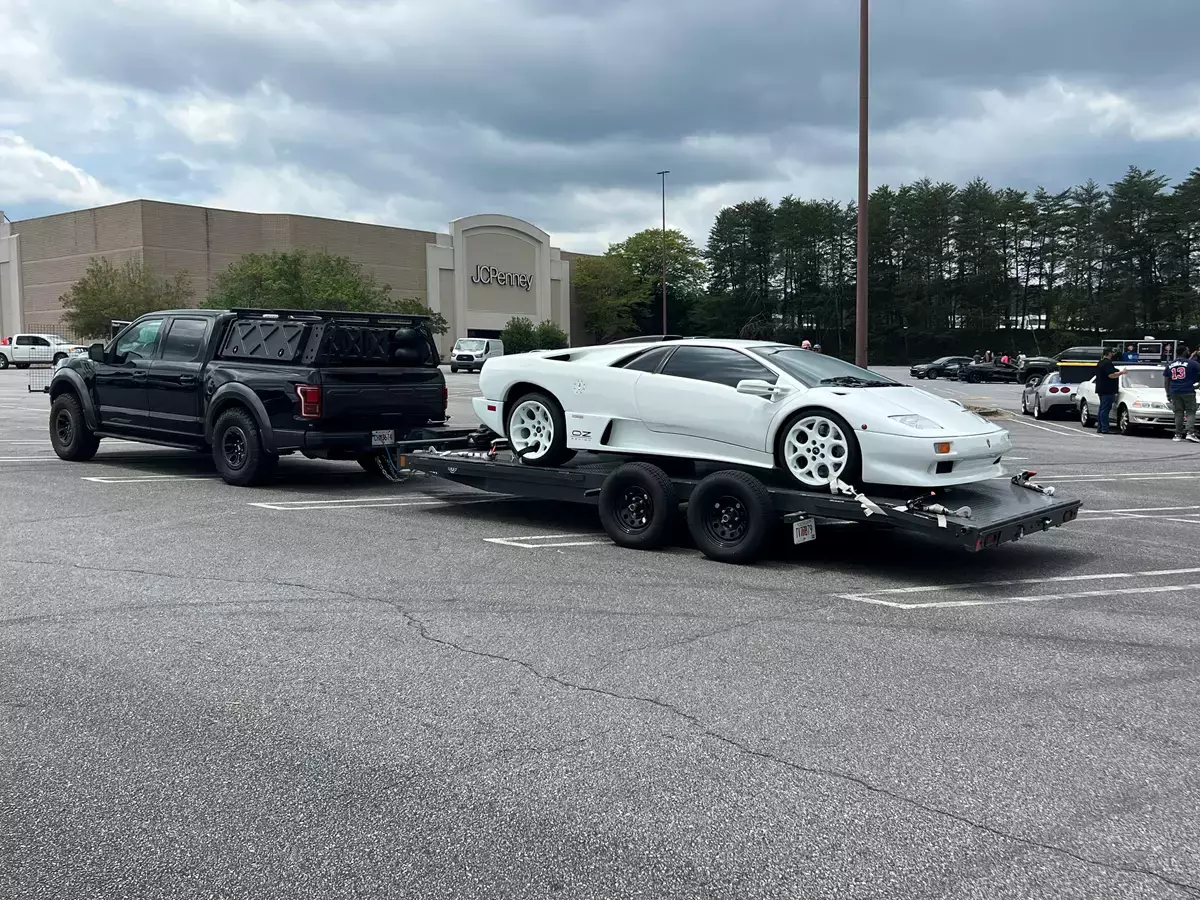
How to Choose the Right Car Trailer Rental for Your Needs
 Neighbors Trailer
Jun 1, 2023 1258 9 min read
How to Choose the Right Car Trailer Rental for Your Needs
Not all car trailers are created equal, and the wrong choice can turn a straightforward vehicle transport into a stressful, expensive ordeal. Whether you are buying a project car from three states away, relocating for a new job, or delivering a sold vehicle to its new owner, the trailer you rent needs to match your vehicle's size and weight, your tow vehicle's capabilities, and the conditions of your specific trip.
This guide from Neighbors Trailer breaks down every factor that matters when selecting a car trailer rental so you can make a confident decision the first time.
Start With Your Vehicle: Weight, Dimensions, and Clearance
The single most important factor in choosing a car trailer is the vehicle you plan to haul. Three measurements determine which trailers will work:
Curb weight. This is your vehicle's weight with all fluids and a full tank of fuel but no passengers or extra cargo. You can find it on the driver's door jamb sticker, in the owner's manual, or through a quick search of your vehicle's year, make, and model. The trailer's gross vehicle weight rating (GVWR) must exceed your vehicle's curb weight plus the trailer's own empty weight.
Overall length. Measure bumper to bumper. The trailer deck needs to be at least two feet longer than your vehicle to allow room for tiedown straps and to keep bumpers from overhanging the ramps.
Ground clearance. Vehicles with less than four inches of ground clearance, including lowered sports cars, slammed trucks, and many European sedans, risk scraping on standard loading ramps. These vehicles need a tilt-deck trailer or ramps with a very gradual angle.
Car Trailer Types Compared
Each trailer style offers different advantages depending on your vehicle type, budget, and transport distance. The table below breaks down the options side by side.
| Trailer Type | Best For | Avg Daily Rental | Key Advantage | Key Limitation |
| Tow Dolly | FWD sedans under 3,500 lbs | $40 - $75 | Lowest cost, lightest weight | Not for AWD; rear tires wear |
| Open Flatbed Car Hauler | Sedans, SUVs, trucks | $75 - $125 | Versatile, easy inspection | No weather protection |
| Tilt-Deck Trailer | Low-clearance, sports cars | $100 - $150 | Level loading, no steep ramps | Higher cost, heavier |
| Enclosed Car Trailer | Classics, show cars, high value | $125 - $200 | Full weather and theft protection | Heavier, needs more tow power |
| Gooseneck Multi-Car | Two vehicles, heavy trucks | $150 - $250 | Highest capacity, most stable | Requires gooseneck hitch |
NeighborsTrailer.com
Matching Your Tow Vehicle to the Trailer
Your tow vehicle sets the ceiling for what trailer and vehicle combination you can safely pull. Here is how to make sure everything lines up:
Check Your Towing Capacity
Find your tow vehicle's maximum towing capacity in the owner's manual or on the manufacturer's website. Subtract the empty weight of the trailer you plan to rent. The remaining number is the maximum vehicle weight you can load onto the trailer. If the math does not leave at least a 10 percent safety margin, you need either a lighter trailer or a more capable tow vehicle. Our towing capacity calculator runs that math for your exact vehicle and trailer in seconds.
Verify Hitch Compatibility
Most car trailers use a standard 2-inch or 2-5/16-inch ball coupler. Make sure your hitch receiver and ball match. Our hitch class calculator confirms the receiver class and ball size your loaded setup requires. A ball that is even slightly undersized for the coupler can bounce loose during a bump. If you are renting a gooseneck trailer, your truck must have a gooseneck hitch installed in the bed, which is a completely different system from a bumper-pull hitch.
Confirm Brake Controller Setup
Trailers with electric brakes require a brake controller mounted in the tow vehicle's cab. Many newer trucks come with factory-installed controllers, but if yours does not, you need to install an aftermarket unit before your rental. Without a brake controller, the trailer's brakes will not engage, and you will be relying entirely on your tow vehicle's brakes to stop both vehicles, which is both unsafe and illegal in most jurisdictions.
Decision Factors Beyond Trailer Type
Distance and Duration
Short local hauls of 50 miles or less are forgiving. Almost any properly rated trailer works, and minor inconveniences like wind noise or slow loading ramps barely matter. Long-distance trips of 500 miles or more amplify every detail. Wind exposure on an open trailer dries out seals and deposits road grime on your vehicle for hundreds of miles. An enclosed trailer eliminates those concerns but costs more per day. Factor in how many days you need the trailer, because multi-day rentals on peer-to-peer platforms like Neighbors Trailer often come with discounted daily rates.
Loading Conditions
Where you plan to load and unload matters. If you are picking up a vehicle from a flat, paved driveway, any trailer works. If you are loading on a gravel shoulder or a sloped parking lot, a tilt-deck trailer provides a much safer and easier experience because it eliminates the risk of your vehicle sliding on steep ramps. Non-running vehicles are easiest to load on tilt-deck trailers or flatbeds equipped with a winch.
Weather and Season
Spring and fall present the highest risk of rain during transport. If your vehicle has fresh paint, aftermarket wheels, or a convertible top, an enclosed trailer protects against water spots, road salt, and UV damage. Winter transport adds the risk of ice and slush being thrown up from the road surface onto an open trailer's cargo. For winter moves, enclosed trailers are almost always the better choice.
Budget Considerations
Peer-to-peer rental through Neighbors Trailer connects you with local owners who often price their trailers below national rental chains. Every booking includes NT Protect, mandatory coverage that is automatically applied for just a few dollars per day, giving you financial protection without needing to shop for separate insurance. Compare total trip cost, not just the daily rate. A slightly more expensive enclosed trailer that prevents a $500 paint correction is the cheaper option in the long run.
How to Evaluate a Trailer Before Renting
Before committing to a rental, ask these questions and inspect these details:
Tire condition. Check tread depth and look for cracks, bulges, or uneven wear. Trailer tires degrade faster than car tires because trailers often sit unused for weeks between rentals. Ask when the tires were last replaced.
Ramp or deck condition. Look for rust, rot, bent ramps, and loose hardware. A flatbed trailer with damaged loading ramps is a safety hazard during loading and unloading.
Anchor point strength. Pull on every D-ring, E-track fitting, and stake pocket you plan to use. Anything that moves or feels weak should not be trusted with your vehicle's weight.
Light and brake function. Ask the owner to demonstrate that all lights work and that the trailer brakes engage properly. If you are picking up the trailer in daylight, it is easy to forget about lights until you are driving at dusk with no functioning brake lights behind you.
Documentation. Take photos of the entire trailer, including any existing damage, before you drive away. This protects you from being held responsible for pre-existing scratches, dents, or rust when you return the trailer. Note the car trailer rental checklist items systematically.
Common Mistakes When Choosing a Car Trailer Rental
Choosing by price alone. The cheapest trailer is rarely the best value. An underbuilt trailer that cannot safely handle your vehicle's weight puts you at risk for tire blowouts, frame failures, and strap breakage. Pay for the right capacity and features.
Ignoring tongue weight. Tongue weight is the downward force the trailer exerts on your hitch. It should be 10 to 15 percent of the total loaded trailer weight. Too little tongue weight causes fishtailing; too much overloads the rear axle of your tow vehicle and lifts the front wheels, reducing steering control.
Not measuring before booking. A vehicle that is six inches too long for the trailer deck creates dangerous rear overhang. A vehicle that is two inches too wide for the wheel wells on a car hauler cannot be loaded at all. Measure twice, book once.
Forgetting about the return trip. If you are dropping off a vehicle and driving the trailer back empty, remember that an empty trailer handles differently than a loaded one. Lighter trailers bounce more on rough roads, so reduce speed and be prepared for a less stable ride on the return.
Frequently Asked Questions
Can I rent a car trailer with just a regular driver's license?
Yes. In the United States and Canada, a standard Class C or Class 5 license covers non-commercial towing as long as the combined weight of your tow vehicle, trailer, and cargo stays under 26,000 pounds. That limit covers virtually every personal car trailer rental scenario. A few states impose additional restrictions on trailers over certain weights, so check your local DMV regulations before your trip.
How do I know if my truck can tow a specific car trailer?
Add the trailer's empty weight to your vehicle's curb weight. If that total is less than your truck's published maximum towing capacity, you are within safe limits. Also check that your truck's payload capacity (the weight it can carry in the bed and cab) exceeds the trailer's tongue weight, which is typically 10 to 15 percent of the total loaded trailer weight.
Is an enclosed trailer worth the extra cost?
For vehicles worth more than $20,000, vehicles with fresh paint or restoration work, convertibles, and any transport during winter or rainy seasons, the extra cost of an enclosed trailer is justified by the protection it provides. For a 10-year-old daily driver on a short summer haul, an open flatbed saves money without meaningful risk to the vehicle.
What if the car I need to transport does not run?
Non-running vehicles need a flatbed trailer with a winch or a tilt-deck trailer. Tow dollies require the vehicle to roll freely, so they cannot handle cars with locked transmissions, seized brakes, or flat tires. A tilt-deck trailer is the easiest option because the deck lowers to near ground level, reducing the pulling angle for the winch cable.
How far in advance should I book?
Three to seven days is the sweet spot. That window gives you enough time to compare options and ask questions while ensuring good trailer availability. Peak moving season (May through September) and month-end dates book up fastest. If your dates are flexible, midweek pickups usually have better availability and sometimes lower rates.
Related Articles
- Car Trailer Rental vs Tow Dolly
- Advantages of Buying a Car Trailer Rental
- Car Trailer Steel vs Aluminum
- How to Prepare Your Vehicle for Towing a Trailer
Content updated April 2026