

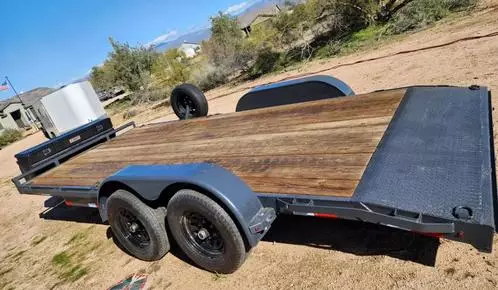
Does My Auto Insurance Cover a Car Trailer Rental?
 Neighbors Trailer
Aug 30, 2023 719 6 min read trailer rental insuranc
Towing a car trailer is one of the most misunderstood activities in the auto world. Drivers hitch up a loaded car hauler on Friday night, drive three hundred miles, and rarely stop to ask what happens if their auto policy does not actually cover the trailer or the vehicle strapped to it. The coverage gap is real, and for anyone renting a car trailer, whether for a weekend track day or a one-time vehicle move across state lines, it is worth knowing exactly what your auto policy will and will not do when a trailer is behind you.
What Your Auto Policy Does When a Trailer Is Attached
Most personal auto policies include a specific provision for trailers. Liability coverage, which pays for damage and injuries you cause to others, typically extends to a trailer while it is being towed by your insured vehicle. That part is widely understood. What often surprises drivers is that physical damage protection, meaning collision and comprehensive coverage, almost never extends to the trailer itself. Your auto policy may pay if you rear-end another car while towing, but it will rarely pay for a caved-in front fender on the car trailer you were pulling.
When Coverage Extends and When It Does Not
The rules vary carrier to carrier, but a few patterns repeat across almost every policy in the market. The table below summarizes the most common situations car trailer renters encounter and how a standard auto policy typically handles each.
| Situation | Auto Liability | Auto Collision on Trailer | What You Usually Need |
| Your trailer hits another vehicle | Usually covered | No | Auto liability only |
| Trailer damaged in an at-fault collision | Not applicable | Rarely covered | Trailer physical damage coverage |
| Car on the trailer damaged in an accident | May cover third parties | No, for the car on the trailer | Separate transport or cargo coverage |
| Trailer theft | No | No | Comprehensive trailer coverage |
| Trailer damaged while parked and unhitched | No | No | Trailer-specific policy |
| Rental platform transaction | May apply during tow | Marketplace program | Marketplace coverage plus own liability |
Why the Car on the Trailer Is Its Own Problem
The vehicle you are hauling is usually not covered by the auto policy on your tow vehicle. If you are moving a personal vehicle that is insured on its own policy, that vehicle's comprehensive coverage may apply while it is on the trailer, but many carriers exclude damage incurred during transport. If you are hauling a vehicle that does not belong to you, coverage becomes even more complicated. Ask the vehicle owner for written confirmation of coverage before loading anything onto a trailer you do not own.
What Car Trailer Renters Should Verify Before Towing
Five checks should happen before you hitch up any rented car trailer.
First, call your auto carrier and confirm in writing how liability coverage works when you are towing a rented trailer. Second, ask explicitly whether physical damage to the trailer is included. Third, review the rental platform's own coverage terms for the booking. Fourth, document the trailer's condition with photos at pickup and return. Fifth, confirm how the vehicle on the trailer is insured during transit.
Coverage Breakdown Across Typical Claim Scenarios
The visual below shows the share of common car trailer claims in the rental industry broken down by root cause. Understanding the mix helps renters prioritize prevention, which is the single most effective way to avoid any coverage conversation at all.
NeighborsTrailer.com
How Tow Vehicle Choice Affects Coverage
Many policies base trailer coverage decisions on whether the tow vehicle is rated for the trailer's gross weight. Towing above the vehicle's published capacity can void physical damage claims and in some cases void liability coverage as well. Always confirm the tow vehicle's rated capacity matches or exceeds the trailer's loaded weight. For background on how trailer weight classes work, the trailer classes guide is a useful reference.
Reading the Rental Agreement Carefully
Rental agreements vary widely. Some platforms include trailer physical damage in the booking rate. Others provide liability only. Others require the renter to carry their own trailer coverage. Before signing anything, identify three things: which party is responsible for damage to the trailer, which party is responsible for damage caused by the trailer, and whether cargo on the trailer is covered at all. If any of those answers are not clear in writing, pause and ask.
Frequently Asked Questions
Does my auto liability cover a car trailer I am towing?
Typically yes, at least for liability to other parties while the trailer is in tow. The limits are the same as your auto liability limits. Check your declaration page to confirm.
Does my auto collision coverage pay for damage to a rented car trailer?
Usually no. Collision coverage is generally tied to the insured vehicle itself, not to a trailer attached to it. Trailer physical damage requires a separate endorsement or a marketplace coverage program.
What about the vehicle on the car trailer?
The vehicle being hauled usually needs its own coverage. Owners frequently assume transit is covered. It often is not. Confirm with the vehicle's insurance carrier before loading.
Am I covered if someone else tows the trailer?
Only if that person is listed as an authorized driver under both your policy and the rental agreement. Allowing an unlisted driver to tow the trailer can void the rental coverage and personal auto coverage simultaneously.
What happens if I exceed the tow vehicle's capacity?
Towing above rated capacity is one of the fastest ways to void a claim. It also risks drivetrain damage, brake failure, and loss of control. Match the trailer's gross weight to the tow vehicle's rated capacity with margin to spare.
Final Thoughts
Car trailer rentals put renters in a coverage middle ground between auto and trailer insurance. The fastest way to avoid problems is to read your declaration page, read the rental agreement, and ask questions in writing before the trailer leaves the lot. A little time spent up front saves a lot of time and money if something goes wrong. If you are picking a trailer for your project, the beginner guide to car trailer rentals will help you match the equipment to the load.
Related Articles
- Why Get Trailer Rental Insurance
- A Beginner's Guide to Choosing the Right Car Trailer Rental
- A Complete Guide to Understanding Trailer Classes
- Trailer Safety 101: Heavy Hauling Tips
Content updated April 2026