

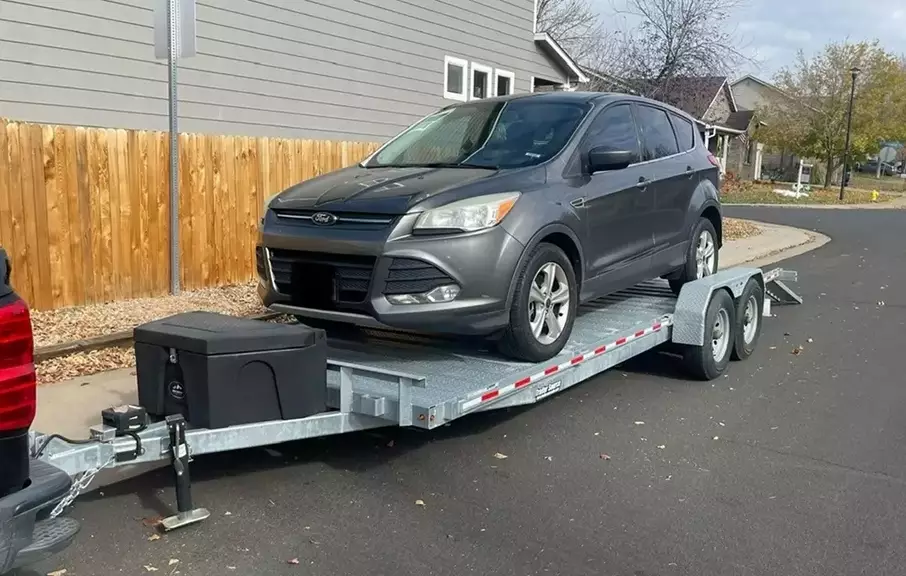
5 Benefits of Investing in an Open Car Trailer
 Neighbors Trailer
Jul 12, 2023 415 7 min read car trailer investmen
A car trailer rental gives you an affordable, on-demand way to move vehicles, heavy equipment, or oversized cargo without the full cost of ownership. Whether you need to haul a project car across the state, transport a classic vehicle to a show, or move a work truck between job sites, renting a car trailer from Neighbors Trailer connects you with quality options near you. Every rental automatically includes NT Protect coverage, mandatory protection charged to the renter at booking for a few dollars per day, so your haul is covered from the moment you drive away.
This guide covers the key advantages of car trailer rentals, how to choose between open and enclosed styles, what to look for when booking, and how owners can earn rental income from their trailers.
Open vs. Enclosed Car Trailers: Which Is Right for You?
The first decision when renting a car trailer is choosing between an open and an enclosed design. Both are capable of hauling vehicles, but they serve different situations. Understanding the differences will help you choose the right rental for your specific job.
| Feature | Open Car Trailer | Enclosed Car Trailer |
|---|---|---|
| Weather Protection | Exposed to rain, sun, and road debris | Full protection from weather and debris |
| Weight | Lighter, easier on tow vehicle | Heavier, reduces payload capacity |
| Rental Cost | Generally lower | Generally higher |
| Visibility While Towing | Better rear sightlines | Larger blind spot |
| Load Flexibility | Can accommodate wider or longer loads | Limited to interior dimensions |
| Security | Vehicle visible and exposed | Vehicle fully concealed and locked |
| Best For | Short moves, non-sensitive vehicles | Long distance, valuable or show vehicles |
NeighborsTrailer.com
Key Advantages of Renting a Car Trailer
1. Cost-Effective Compared to Alternatives
Hiring a professional auto transport service can cost several hundred to well over a thousand dollars depending on distance. Renting a car trailer and towing it yourself is typically far less expensive, especially for moves under 500 miles. You pay only for the time you have the trailer, with no annual storage, insurance, or maintenance costs on top.
2. Access to the Right Trailer for Each Job
Different vehicles and cargo require different trailer configurations. A project car on a dovetail open trailer hauls easily, while a vintage show car might need the security of an enclosed rental. By renting rather than owning, you can choose the right type each time rather than making every job fit one trailer you already own. Check out the used trailer buying guide if you are considering long-term ownership as an alternative.
3. No Ownership Overhead
Owning a trailer means storage space, annual registration, insurance, tire maintenance, and periodic repairs. Renting eliminates all of that. You use the trailer for your job, return it, and move on. For someone who only needs a car trailer a few times a year, rental is almost always the more economical choice.
4. Open Trailers Offer Superior Load Flexibility
Open car trailers can accommodate loads that extend beyond the trailer deck, which enclosed trailers cannot. Long flatbed items, vehicles with high rooflines, or cargo wider than a standard enclosed trailer door opening can all be transported on an open platform. The reduced blind spot also makes towing less stressful for drivers unfamiliar with large enclosed trailers.
5. Try Before You Commit to Buying
If you are considering purchasing a car trailer, renting first is the most practical way to evaluate different configurations. Towing a 16-foot open car trailer handles very differently from pulling a 20-foot enclosed unit. Renting several configurations before buying helps you choose the right purchase rather than guessing. Our buy-or-rent car trailer comparison breaks down the break-even math so you know when owning pays off. You can also explore our guide on ATV utility trailer rentals for tips on loading and securing wheeled vehicles that apply equally to car trailer hauls.
What to Look for When Booking a Car Trailer Rental
Not all trailers are equal, and the right booking choices make the difference between a smooth haul and a stressful one. Confirm the trailer's payload rating exceeds your vehicle's weight with room to spare. Check the ramp angle, since steeper ramps make loading low-clearance vehicles difficult. Verify the tie-down anchor points are intact and compatible with the straps you plan to use. Confirm the trailer lights, brakes (if equipped), and coupler are in working order before driving away.
On Neighbors Trailer, listings include photos, owner reviews, and trailer specifications so you can evaluate each rental before booking. Reach out to the owner with questions about loading access, ramp length, or anything specific to your vehicle.
How Car Trailer Owners Can Earn Rental Income
If you own a car trailer that sits unused for days or weeks at a time, listing it on Neighbors Trailer is a straightforward way to offset ownership costs. Trailer owners in the Neighbors Trailer marketplace set their own availability and pricing. Renters find and book listings through the app, and owners receive payment via Stripe within two to three business days after each completed rental.
The platform charges owners a 20% platform fee on each booking and renters a 10% service fee. Listing is free, and owners only pay the platform fee when a booking is completed. For a car trailer rented out several times a month, the income can cover annual registration, tire replacement, and routine maintenance costs easily.
Frequently Asked Questions
Do I need a special license to tow a car trailer?
In most U.S. states, a standard Class C driver's license is sufficient to tow a car trailer with a standard tow vehicle, provided the combined weight stays under the Class C limit (typically 26,000 lbs GVWR). Always verify your state's requirements before towing, and confirm your tow vehicle's rated towing capacity exceeds the loaded trailer weight.
What size car trailer do I need for a standard passenger vehicle?
Most passenger cars fit on a 16-foot to 18-foot open car trailer. Trucks, SUVs, and larger vehicles may require a 20-foot trailer. Always measure your vehicle's length and check the trailer's usable deck length before booking. Our car hauler calculator matches deck length and weight rating to your specific vehicle.
Can I transport a non-running vehicle on a rented car trailer?
Yes. Non-running vehicles are one of the most common uses for car trailer rentals. Confirm the trailer has drive-up ramps or a dovetail design for low-clearance loading, and bring additional tie-down straps rated for the vehicle's weight.
What is the difference between a car trailer and a flatbed trailer?
Car trailers are specifically designed for hauling vehicles and typically feature ramps, wheel guides, and tie-down points positioned for cars and trucks. Flatbed trailers are more general-purpose and can carry vehicles as well as equipment and freight, but may lack the loading ramps or wheel guides of a dedicated car trailer.
Is NT Protect included with every car trailer rental on Neighbors Trailer?
Yes. NT Protect is mandatory coverage automatically applied to every rental at booking. It is not an optional add-on. The coverage is charged to the renter for a few dollars per day and provides protection for the duration of the rental period.
Key Takeaways
Car trailer rentals offer an affordable, flexible alternative to ownership for anyone who needs to haul a vehicle occasionally. Open trailers cost less and offer more flexibility for most loads. Enclosed trailers provide better protection for valuable vehicles. Renting through Neighbors Trailer connects you with owner-listed trailers nationwide, backed by NT Protect coverage on every booking. If you own a car trailer, listing it when it is not in use is a practical way to generate income and recover ownership costs.
Related Articles
- Trailer Maintenance Tips on Storing Your Trailer Safely in the Winter
- Testing the Breakaway Switch on an Enclosed Trailer Rental
- Learn How to Install a Winch on Your Flatbed Trailer Rental
- Choosing Spring or Torsion Axle for a Utility Trailer Rental
Content updated March 2026