

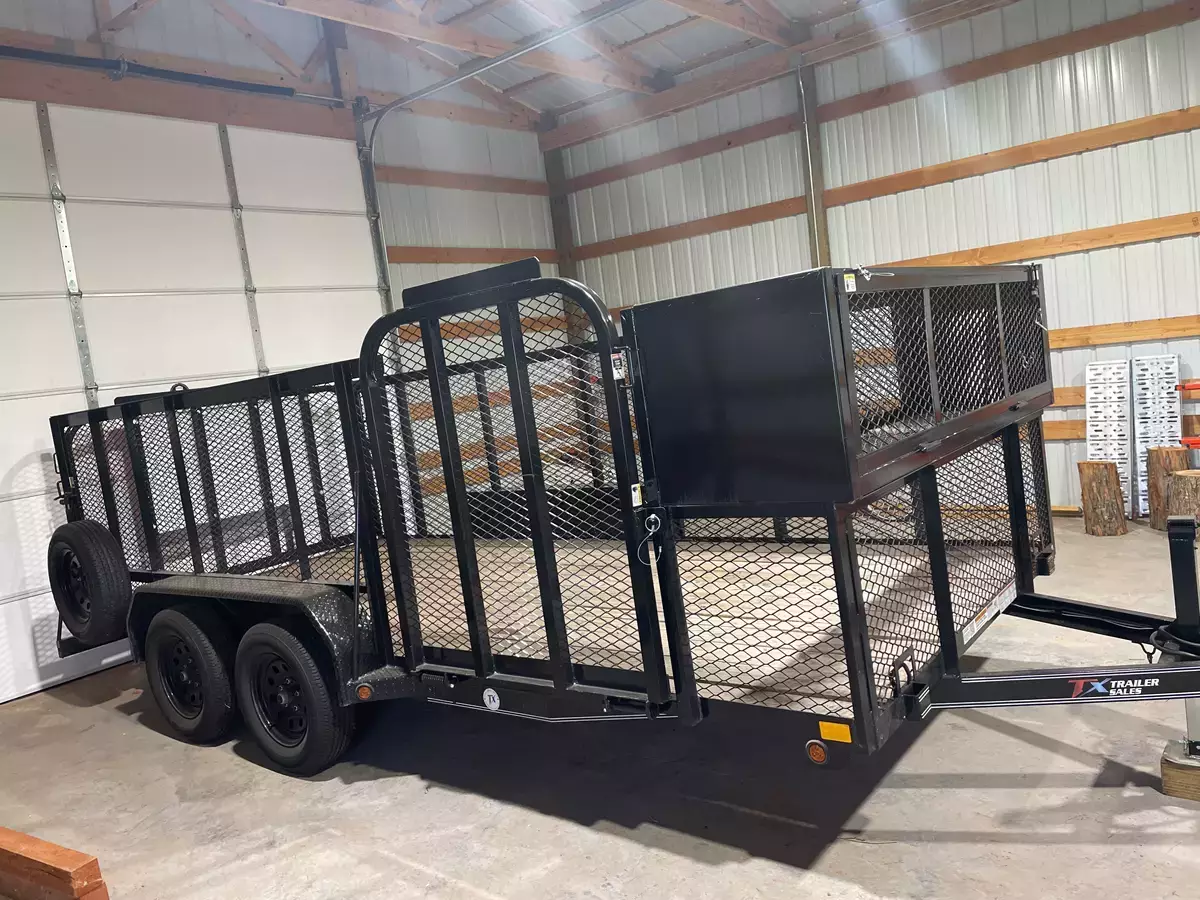
Choosing Spring or Torsion Axle For a Utility Trailer Rental
 Neighbors Trailer
Jul 6, 2023 592 9 min read utility trailer rental
Understanding Trailer Axle Types: Why It Matters
When a utility trailer's suspension starts sagging, squeaking, or showing signs of wear, the replacement decision involves more than just buying the same parts. It is also an opportunity to upgrade your setup. The two main axle types for utility trailers are spring axles and torsion axles. Each offers a distinct approach to suspending and cushioning a trailer, with different trade-offs in cost, ride quality, maintenance, and longevity.
Whether you are replacing worn axles, evaluating a used trailer purchase, or reviewing specs on a new listing, understanding these differences helps you make the right call. This guide explains how each system works, compares their performance, and gives you a clear decision framework for your specific hauling needs. If you want to review load capacity and axle measurements before making changes, see our guide on how to measure trailer axles.
How Spring Axles Work
Spring axles use leaf springs, which are stacks of flat rectangular metal strips, to absorb road impacts and suspend the trailer frame above the wheels. The leaf spring pack mounts between the trailer frame and the axle tube. When the wheel hits a bump, the leaf springs flex to absorb the impact, then return to their resting shape once the bump passes.
Most utility trailers with spring axles use a single leaf spring pack per side for single-axle trailers, or a tandem setup where an equalizer bar links both axle packs together for dual-axle configurations. The equalizer bar distributes the load between axles as one side compresses over a bump, which helps maintain a more even trailer stance over uneven terrain.
Spring Axle Advantages
Spring axles are less expensive to manufacture and replace than torsion units. Replacement leaf spring packs are widely available at trailer parts dealers and online suppliers. Repairs can typically be performed by any trailer mechanic or experienced DIYer with basic hand tools. This repairability makes spring axles the practical choice for trailers that work in demanding conditions where damage is more likely.
Spring Axle Limitations
Leaf springs are exposed to the elements and require periodic inspection and lubrication of the spring eye bushings and U-bolt hardware. Over time, the spring packs can develop metal fatigue, sagging, or broken leaves. Spring axles also transfer more road vibration to the trailer frame and cargo than torsion axles, which can be a concern for sensitive loads.
How Torsion Axles Work
Torsion axles use a square steel bar surrounded by four rubber cords inside a sealed tube as the suspension medium. The arm that holds the wheel spindle attaches to this inner bar. When the wheel hits a bump, it pushes the arm upward, which twists the square bar against the rubber cords. The rubber cords absorb the energy and return the arm to the resting position as the bump passes.
Because the entire mechanism is sealed inside the axle tube, torsion axles require no external lubrication and are not affected by rust or corrosion in the same way leaf springs are. Each wheel moves independently on a torsion axle setup, which means a bump on one side does not transfer directly to the other side as it does on a tandem spring setup without an equalizer.
Torsion Axle Advantages
Torsion axles provide a noticeably smoother ride quality than spring axles, particularly on trailer types that carry finished goods, recreational equipment, or fragile cargo. The sealed rubber suspension requires no maintenance and is not subject to the corrosion that affects spring eye bushings and U-bolt hardware. Torsion axles also sit slightly lower than comparable spring axle setups, which lowers the trailer's center of gravity.
Torsion Axle Limitations
The main drawback of torsion axles is that they cannot be field-repaired when the internal rubber cords wear out or fail. The entire axle assembly must be replaced. This makes torsion axles more expensive to maintain over time, particularly if the trailer is used heavily. In tandem torsion setups, each axle operates independently with no load equalization between them, which can lead to uneven tire wear if the trailer is consistently loaded off-center.
Spring vs. Torsion Axle Comparison
| Feature | Spring Axle | Torsion Axle |
| Suspension mechanism | Leaf spring pack | Rubber cord inside sealed tube |
| Ride quality | Moderate | Smooth |
| Typical cost | Lower | Higher |
| Repairability | High (parts widely available) | Low (full assembly replacement) |
| Maintenance required | Spring bushings and hardware | Minimal (sealed system) |
| Tandem load equalization | Yes (via equalizer bar) | No (each wheel independent) |
| Best use case | Heavy loads, rough terrain | Lighter loads, smooth roads |
Performance Ratings: Spring vs. Torsion Axle
The chart below compares spring and torsion axles across five key performance categories, rated on a scale of 1 to 10. Higher scores represent better performance in each category.
When to Choose a Spring Axle
Spring axles are the right choice when you haul heavy loads regularly, operate in rough terrain, or need a suspension system with easily sourced replacement parts. If your utility trailer is used for construction equipment, landscaping, or other demanding work, spring axles handle the abuse better and can be repaired quickly in the field without ordering specialty parts.
Spring axles are also the better option when budget is a primary concern. The upfront cost is lower, and replacement spring packs cost far less than full torsion axle assemblies. For owners who list their trailers on Neighbors Trailer and haul across varied terrain, spring axles offer the reliability and repairability that keeps downtime low. For guidance on preparing your tow vehicle to handle heavy trailer setups, see our article on preparing your truck to tow a trailer safely.
When to Choose a Torsion Axle
Torsion axles are the better choice when ride quality and low maintenance are higher priorities than repairability. If your trailer carries equipment with sensitive components, finished goods, or recreational vehicles where road vibration causes concern, the smoother torsion ride reduces stress on cargo and the trailer frame over long distances.
Torsion axles are also worth the higher upfront investment if the trailer will primarily operate on paved roads, where the sealed rubber system can last for many years without attention. For utility trailers used on job sites or unpaved terrain with heavy loads, spring axles remain the more practical choice. To understand common issues that arise from improper trailer loading and towing, see our guide on improving your hauling game on a utility trailer.
Can You Switch Axle Types on an Existing Trailer?
Switching from spring axles to torsion axles on an existing trailer is possible but requires more work than a direct replacement. The frame mounting points for torsion axles are different from spring axle hangers, so the trailer frame typically needs modification to accept the new mounting configuration. The frame height may also change with a torsion axle installation, affecting the trailer's overall load height and hitch setup.
Consult a trailer fabrication shop before undertaking this type of conversion. A qualified shop can confirm whether the frame is suitable for modification, what the cost will be, and whether the conversion will affect the trailer's GVWR rating or any existing certifications.
Protect Your Trailer Investment with NT Protect
Whether you choose spring or torsion axles, your utility trailer represents a meaningful investment worth protecting. NT Protect, available through Neighbors Trailer, provides coverage for your trailer at a few dollars per day. This lets you rent your trailer with confidence and focus on maximizing your returns rather than worrying about what a repair bill might look like after a hard rental. For tips on avoiding the mistakes that lead to trailer damage and repair costs, see our guide on removing stubborn lug nuts on a flatbed trailer.
Frequently Asked Questions
Which axle type is better for a utility trailer rental?
Spring axles are generally better for rental trailers because they handle a wider range of loads and terrain, are easier to repair when damaged, and cost less to replace. Renters tend to use trailers in varied conditions that favor the ruggedness and repairability of spring axles over the smoother but less repairable torsion system.
How long do torsion axles last?
Torsion axles typically last between 10 and 15 years with normal use. The rubber cords inside the sealed tube will degrade over time due to UV exposure, ozone, and repeated compression cycles. Trailers stored outdoors in hot climates may see rubber degradation sooner. Once the rubber cords wear out, the entire axle assembly must be replaced rather than repaired.
How do I know if my trailer axle needs replacement?
Signs that an axle needs attention include visible sagging on one side of the trailer, a broken or cracked leaf spring, excessive bouncing that does not settle after bumps, loud clunking or squeaking from the suspension under load, and uneven tire wear caused by axle misalignment. Have the suspension inspected by a trailer technician if any of these symptoms appear.
Are torsion axles better for heavy loads?
Spring axles generally handle heavier loads more reliably because they offer greater suspension travel and benefit from equalizer bars in tandem configurations that distribute weight between axles. Torsion axles are available in heavy-duty ratings but do not equalize load between axles in tandem setups, which can cause uneven loading and accelerated tire wear under heavy or off-center cargo.
Can I use a torsion axle on a tandem trailer?
Yes, tandem torsion axle setups are available and commonly used on boat trailers and enclosed cargo trailers. However, because each torsion axle operates independently with no load equalization, the trailer must be loaded evenly from side to side to avoid excessive stress on individual axles. Tandem spring setups with an equalizer bar handle uneven loading more forgivingly.
Related Articles
- The Importance of Trailer Axle Alignment
- The Ultimate Guide to Leaf Spring vs. Torsion Axle Suspension Systems
- Learn How to Measure the Trailer Axle on a Flatbed Trailer
- Learn How to Tell Axle Weight Rating on a Flatbed Trailer
Content Update: This guide was substantially updated in March 2026 with expanded towing safety guidance, improved equipment recommendations, and additional resources to help trailer owners tow safely and confidently.