

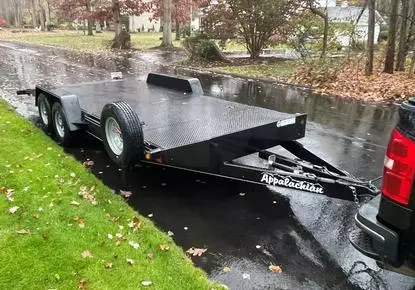
Car Trailer vs Tow Dolly: Which is the Better Option?
 Neighbors Trailer
Jul 14, 2023 1596 6 min read car trailer, tow doll
When it comes to transporting a vehicle, two of the most popular options available through peer-to-peer rental platforms like Neighbors Trailer are car trailers and tow dollies. Both get your vehicle from point A to point B, but they work differently, suit different drivetrain types, and come with distinct trade-offs. This guide breaks down exactly how each option works, when to choose one over the other, and what to expect on cost so you can make a confident decision before you book.
What Is a Car Trailer and How Does It Work?
A car trailer is a dedicated hauling platform that carries your entire vehicle off the ground. Open car haulers, enclosed car trailers, and flatbed car haulers all keep all four wheels elevated during transport. This makes them the safer option for all-wheel drive vehicles, rear-wheel drive vehicles, and anything with low ground clearance. Our car hauler calculator helps you match a deck size and weight rating to the vehicle you are moving. Since none of the driven wheels touch the road, there is zero drivetrain stress during the move. Before your rental, make sure you understand how to prepare your truck to tow a car trailer safely so the haul goes smoothly from start to finish.
What Is a Tow Dolly and How Does It Work?
A tow dolly lifts only the front two wheels of your vehicle onto a wheeled platform while the rear wheels roll on the ground. This makes them significantly lighter and easier to maneuver than a full car trailer. However, because the rear wheels stay on the pavement, tow dollies are only suitable for front-wheel drive vehicles. Using a tow dolly on an AWD or RWD vehicle without taking the proper precautions can cause serious and expensive drivetrain damage.
Car Trailer vs Tow Dolly: Side-by-Side Comparison
Here is a direct comparison of both options across the most important rental factors:
| Factor | Car Trailer | Tow Dolly |
| Drivetrain Compatibility | FWD, RWD, AWD, 4WD | FWD only (generally) |
| All Wheels Off Ground | Yes | No (rear wheels roll) |
| Tow Vehicle Needed | Full-size truck or heavy SUV | Most properly rated vehicles |
| Vehicle Length Limit | Up to ~20 ft | Shorter vehicles preferred |
| Ease of Backing Up | Moderate (full trailer) | Difficult (jackknifes easily) |
| Avg. Daily Rental Rate | $55 to $95 | $30 to $45 |
Key Decision Factors
Drivetrain Compatibility
This is the most critical factor. If you are moving an AWD, 4WD, or rear-wheel drive vehicle, a car trailer is your only safe option. A tow dolly with the rear wheels dragging on an AWD vehicle will spin the rear driveshaft and can destroy the transfer case or rear differential in just a few miles. Always confirm your vehicle's drivetrain before booking. If in doubt, go with a flatbed or open car hauler and keep all four wheels off the ground.
Tow Vehicle Requirements
Tow dollies are lighter than full car trailers, which means they can often be towed by a mid-size truck or a properly rated crossover SUV. Car trailers require a more substantial tow vehicle. A full-size truck is the standard recommendation for an open car hauler. Before either rental, check your owner's manual for your tow rating and cross-reference it against the combined weight of the trailer and the vehicle being towed. You can also use our guide on how to measure your car trailer axles to ensure compatibility.
Ease of Use and Maneuvering
Tow dollies cannot be backed up easily — attempting to reverse with a dolly typically causes it to jackknife. If your move involves tight driveways, parking garages, or campgrounds, a full car trailer with proper tongue weight distribution is more manageable. Car trailers back up in a predictable arc when you learn to steer opposite to the intended direction. For larger trailers, our guide on choosing the right trailer for your haul covers setup and loading techniques that apply to car haulers as well.
NT Protect Coverage
Every rental booked through Neighbors Trailer automatically includes NT Protect, the platform's mandatory damage coverage product charged to the renter at booking. Whether you choose a car trailer or a tow dolly, NT Protect gives you liability protection for a few dollars per day with no extra steps required at checkout.
Rental Costs: Car Trailer vs Tow Dolly on Neighbors Trailer
Peer-to-peer rates on Neighbors Trailer are consistently lower than traditional rental chains. The chart below shows average daily rental rates for each option:
NeighborsTrailer.com
Frequently Asked Questions
Can I use a tow dolly for an all-wheel drive vehicle?
Generally, no. Tow dollies leave the rear wheels on the ground, which causes the rear driveshaft and drivetrain components to spin on AWD and 4WD vehicles. This can cause severe damage in as little as a few miles. For AWD vehicles, always use a flatbed or fully enclosed car trailer that lifts all four wheels.
Do I need a special hitch to use a car trailer or tow dolly?
Both options require a properly rated receiver hitch and ball mount on your tow vehicle. Our hitch class calculator tells you which receiver class and ball size your loaded setup needs. Most car trailers use a 2-inch ball. Tow dollies typically use a 2-inch ball as well. Check the trailer listing on Neighbors Trailer for specific hitch requirements before booking, and verify that your tow vehicle's hitch is rated for the combined load.
Is a tow dolly or car trailer easier to load?
Tow dollies are generally quicker to load since you drive the front wheels onto the platform and secure them. Car trailers require driving the full vehicle up the ramp and using tie-down straps at all four corners. Car trailers take a few more minutes but provide more complete securement, especially for long-distance moves.
How do I book a car trailer or tow dolly on Neighbors Trailer?
Browse listings by trailer type, location, and availability on Neighbors Trailer. Filter for car haulers or tow dollies in your area, select your rental dates, and confirm. NT Protect is automatically added at checkout. Most listings allow one to three day advance booking, though booking a week ahead is recommended for weekend moves.
Final Thoughts
The right choice between a car trailer and a tow dolly comes down to your vehicle's drivetrain, your tow vehicle's capacity, and your budget. FWD vehicles on short moves can often get by with a tow dolly at a lower daily rate. AWD, RWD, and any long-distance move almost always calls for a full car trailer. When in doubt, the all-four-wheels-off-the-ground rule keeps your vehicle safest and gives you the most flexibility on route and parking.
Related Articles
- Car Trailer Rental Booking Tips: What to Know Before You Reserve
- How to Prepare Your Truck to Tow a Car Trailer Rental Safely
- Learn How to Measure the Axles on Your Car Trailer Rental
- Trailer Rental Guide: How to Choose the Right Trailer for Your Haul
Content updated March 2026