

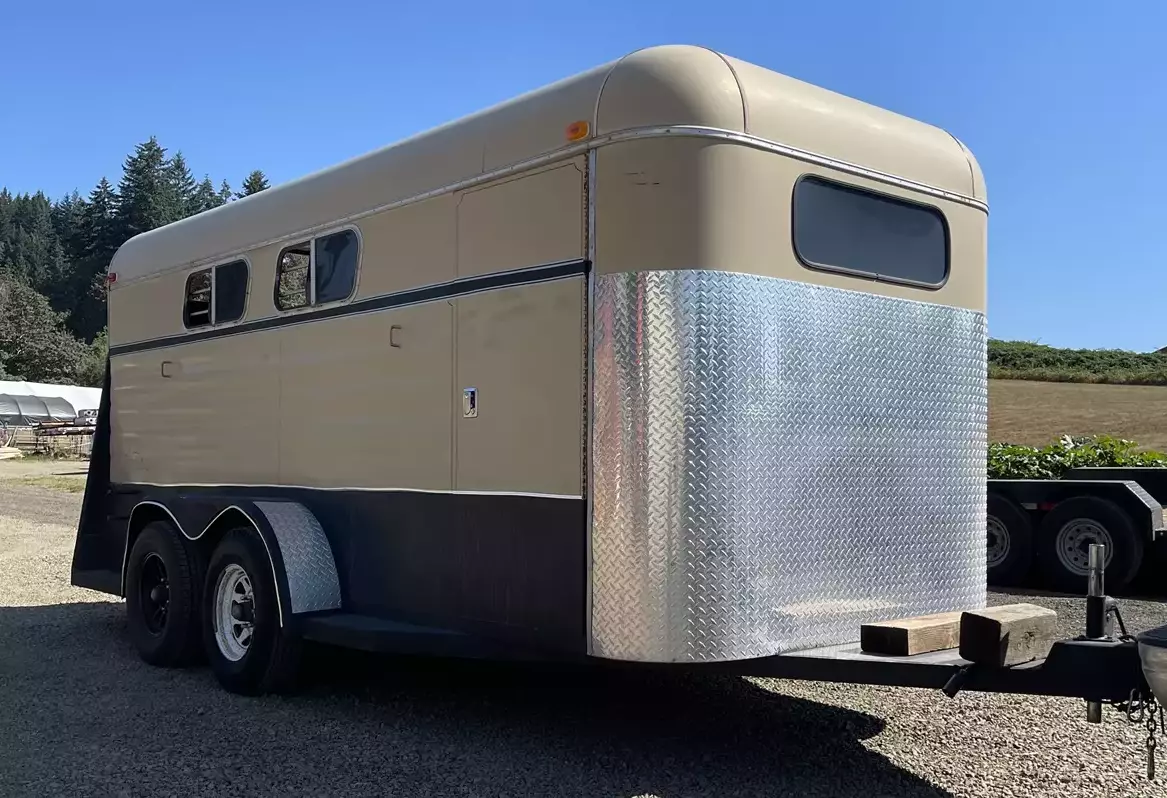
Horse Trailer Rentals | 5 Effective Ways to Keep Your Horse Cool In Transit
 Neighbors Trailer
Jan 13, 2023 424 9 min read horse trailer rentals
Transporting horses safely during warm weather requires careful planning and attention to detail. Whether you are hauling your horses to a rodeo, trail ride, horse show, or veterinary appointment, heat stress is one of the biggest risks your animals face while inside an enclosed trailer. According to the American Association of Equine Practitioners, horses can begin showing signs of heat stress when temperatures inside a trailer exceed 90 degrees Fahrenheit, which can happen quickly in direct sunlight even on moderately warm days.
This comprehensive guide covers proven strategies for keeping your horses cool, comfortable, and healthy during transit. From pre-trip preparation to ventilation best practices, these tips will help you protect your equine companions on every journey. Every rental booked through Neighbors Trailer includes NT Protect, mandatory coverage automatically charged at a few dollars per day that gives both renters and owners peace of mind throughout the booking.
Why Heat Management Matters During Horse Transport
Horses generate significant body heat, especially when they are stressed or anxious about traveling. A horse standing in a trailer produces enough heat to raise the interior temperature by 10 to 15 degrees above the outside air temperature within 30 minutes. When combined with humidity from breathing and sweating, conditions inside a poorly ventilated trailer can become dangerous fast. Understanding the science behind equine thermoregulation helps you make smarter decisions before and during every haul.
Dehydration, heat exhaustion, and shipping fever are all preventable with the right precautions. The key is to plan ahead, monitor conditions throughout the trip, and give your horses every possible advantage before you even pull out of the driveway.
Pre-Trip Preparation for Hot Weather Hauling
Start your preparation the night before travel. Ensure your horse is well-hydrated by providing unlimited access to fresh water. Adding a small amount of loose salt to their feed encourages drinking. Avoid feeding large grain meals within two hours of loading, as digestion generates additional body heat. A light hay meal is preferable.
Open your trailer completely at least 30 minutes before loading. Trailers parked in direct sunlight can reach interior temperatures exceeding 130 degrees Fahrenheit. Opening all doors, windows, and roof vents allows the built-up heat to escape. If possible, park your trailer in the shade the night before your trip. Running oscillating fans inside the trailer during this cool-down period can accelerate the process significantly.
| Temperature Range | Risk Level | Recommended Action |
| Below 75F | Low | Standard ventilation, normal travel |
| 75F to 85F | Moderate | Open all vents, stop every 2 hours for water |
| 85F to 95F | High | Travel early morning or evening, wet horse before loading |
| Above 95F | Very High | Postpone travel if possible, use fans and misting |
Ventilation Is the Single Most Important Factor
Proper airflow is the most effective tool you have for managing trailer temperatures. Keep all windows, vents, and roof openings fully open during travel. The movement of the trailer through the air creates a natural breeze that helps cool the interior, but only if those openings are unobstructed. Many horse owners make the mistake of closing windows to prevent debris from entering, but this trade-off is almost never worth the reduced airflow.
If your trailer has window screens, keep them installed so you can leave windows fully open without worrying about road debris. Consider adding essential horse trailer accessories like battery-powered fans that mount inside the trailer to supplement natural airflow. Position fans so they move air across the horses rather than blowing directly on them, which can cause eye irritation.
Smart Hydration Strategies on the Road
Hydration management starts well before loading day. Horses should be drinking normally for at least 48 hours before a trip. During transit, plan stops every two hours to offer water. Some horses are reluctant to drink unfamiliar water, so consider flavoring their water at home with a small amount of apple juice for several days before the trip. This way, you can add the same flavor to water from any source and your horse will drink it readily.
Electrolyte supplementation requires a careful approach. While horses do lose electrolytes through sweat, overloading them with electrolyte pastes or powders can cause digestive upset and actually increase dehydration. A moderate electrolyte supplement in their water the day before travel is sufficient for most healthy horses. Always offer plain water alongside electrolyte-enhanced water so the horse can choose.
When Not to Haul Your Horse
Knowing when to postpone a trip is just as important as knowing how to prepare for one. Never transport a horse that is showing signs of illness, including elevated temperature, nasal discharge, loss of appetite, or lethargy. The stress of trailer travel suppresses the immune system and can turn a minor illness into a serious condition. A horse with even a mild respiratory infection is at significantly higher risk of developing shipping fever during transit.
If outside temperatures are extreme and your trip is not urgent, reschedule for early morning or late evening when temperatures are lower. Dawn departures allow you to cover significant distance before the hottest part of the day. For longer trips during summer months, consider breaking the journey into segments with overnight rest stops at facilities that offer stabling.
Skip the Sheets and Blankets in Summer
Many horse owners use proper loading techniques but then make the mistake of covering their horses with sheets during hot weather transport. While sheets keep horses clean, they trap body heat between the fabric and the skin. This creates a microclimate that can be 10 to 15 degrees warmer than the surrounding air. During summer travel, leave sheets off entirely and plan to clean your horse after arrival instead.
If flies are a concern, use a fly spray before loading rather than a fly sheet. Lightweight fly masks that cover the face without restricting airflow are acceptable for most situations.
NeighborsTrailer.com
Trailer Maintenance for Better Temperature Control
The condition of your trailer directly impacts how well it manages heat. Light-colored trailers reflect more sunlight and stay cooler than dark-colored ones. If your trailer has a dark exterior, consider having the roof painted white or applying a reflective coating. Ensure that all horse trailer maintenance is current, including checking that roof vents open fully, window mechanisms work smoothly, and there are no gaps in the floor that could allow exhaust fumes to enter the horse compartment.
Rubber mats on the floor provide insulation from road heat radiating up from the pavement. Rumber flooring, made from recycled rubber and plastic, offers excellent insulation properties and is easier to clean than traditional wooden floors. Investing in proper flooring reduces interior temperatures and makes the trailer more comfortable for your horses year-round.
Monitoring Your Horse During Transit
Even with perfect preparation, you need to monitor your horses throughout the journey. Modern trailer camera systems allow drivers to check on their horses without stopping. Watch for signs of heat stress including excessive sweating, rapid breathing, flared nostrils, stumbling, or a reluctance to stand still. If you notice any of these signs, stop immediately in a shaded area, offer water, and allow your horse to cool down before continuing.
Plan your route to include rest stops with shade. At each stop, check that water buckets or automatic waterers are functioning. Walk around the trailer to verify that all vents remain open and that no debris has blocked airflow. A quick two-minute check at each fuel stop can prevent a heat emergency.
Frequently Asked Questions
How hot is too hot to transport horses?
Most equine veterinarians recommend avoiding transport when ambient temperatures exceed 95 degrees Fahrenheit unless you have a trailer equipped with fans and misting systems. Even with excellent ventilation, interior temperatures will be significantly higher than outside air temperatures. When possible, travel during early morning or late evening hours during extreme heat.
How often should I stop to water horses during a long haul?
Stop every two hours to offer water during warm weather. For trips exceeding six hours, plan at least one extended 30-minute rest stop where horses can be unloaded to stretch and relax if safe facilities are available.
Can I use ice or cold water to cool a horse showing signs of heat stress?
Yes. Contrary to older beliefs, applying cold water to an overheated horse is safe and effective. Pour water over the large blood vessels on the neck, between the hind legs, and along the belly. Do not scrape the water off, as evaporation provides additional cooling. Seek veterinary attention if the horse does not show improvement within 15 minutes.
What is the safest time of day to transport horses in summer?
Early morning departures between 5 AM and 7 AM are ideal. Temperatures are at their lowest, and you can cover significant distance before the heat of the day. If morning departure is not possible, waiting until after 6 PM when temperatures begin to drop is the next best option.
Does trailer color affect interior temperature?
Absolutely. White or light-colored trailers can be 10 to 20 degrees cooler inside compared to dark-colored trailers under the same conditions. If purchasing or renting a horse trailer, prioritize lighter colors for warm climate use.
Find the Right Horse Trailer Rental
Keeping your horses safe and cool during transport comes down to preparation, ventilation, hydration, and careful monitoring. By following these strategies, you can confidently haul your horses to competitions, trail rides, and events throughout the warmest months of the year. Deep cleaning your rental trailer before each trip also helps ensure a healthy, comfortable environment for your animals.
Ready to find a horse trailer in your area? Neighbors Trailer connects horse owners with local trailer owners who list their rigs for peer-to-peer rental. Browse available horse trailer rentals near you and book with confidence knowing that every reservation includes NT Protect coverage automatically.
Related Articles
- Complete Guide to Towing a Horse Trailer Safely
- Must-Have Accessories for Your Horse Trailer
- How to Prevent Shipping Fever in Horses
- Tips for Listing Your Horse Trailer for Rent
Content updated March 2026