

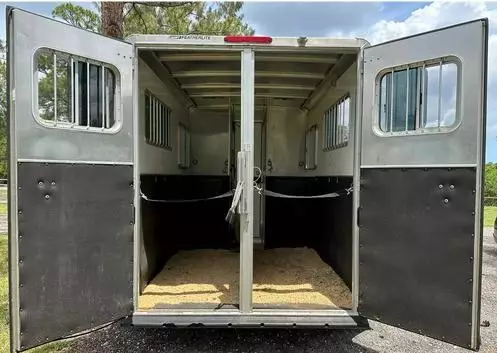
Essential Horse Trailer Maintenance Tips to Remember
 Neighbors Trailer
Nov 16, 2023 475 7 min read horse trailer maintenanc
A horse trailer is part transport, part second stall, and part safety net. When it is well maintained, the only thing your horse notices is that it is on the road. When it is not, the consequences range from delayed shows to genuine danger. This guide breaks down the maintenance routine that keeps a horse trailer trustworthy from one season to the next, whether you own one or you are renting through Neighbors Trailer.
Why Horse Trailer Maintenance Is Different
Most cargo trailers see steel, lumber, and the occasional gallon of paint. Horse trailers see manure, urine, sweat, and shed hair. Those organic loads accelerate corrosion of the floor, the welds, and the hardware in ways a flatbed never sees. On top of that, the cargo can move, kick, and weigh more than a small car. The maintenance routine has to address both the chemistry and the dynamic load, which is what makes horse trailers a category of their own.
The Pre-Trip Walk-Around
Before every trip, walk a full lap. Tires first, since the long sit between trips is where leaks become flat tires. Press a gauge to each tire and confirm pressure matches the sidewall. Then check the lugs, the springs, and the tongue jack. Inspect the coupler, the safety chain hooks, and the wiring harness. Spend extra time on the wiring; horse trailers vibrate hard, and corroded harness pins are a leading cause of failed trailer brake lights.
Floor and Mat Inspection
The floor is where horse trailer maintenance lives or dies. Pull the rubber mats every couple of months and inspect the wood or aluminum below. You are looking for soft spots, wet wood, peeling paint, or aluminum pitting. A hoof through a rotted floor is the worst-case outcome of skipped maintenance, and it always announces itself with a soft, spongy patch first.
Cleaning the Floor Properly
After every haul, sweep the trailer out and pull the mats. Hose down the floor and give it time to dry fully before the mats go back. A dry floor is a long-lived floor. Deep cleaning a horse trailer rental goes deeper into the routine for stubborn stains and disinfection.
Tires, Wheels, and Bearings
Trailer tires age out long before they wear out. Most horse trailer tires need replacement every five to seven years even if they look new, because UV and ozone break down the sidewalls. Check the date code stamped on the sidewall to see how old your tires are. Pull the wheel hub caps once a year and have a mechanic check the bearings. A failed bearing on the highway turns into a wheel separation, which is exactly the kind of event no horse owner ever wants to live through.
Inspection Intervals: At a Glance
Different parts of a horse trailer wear on different timelines. Use this schedule as a baseline and tighten it for trailers that travel a lot or store outside.
| Component | Inspection Interval | What to Check |
| Tires | Every 3 months | Pressure, tread depth, sidewall date code |
| Wheel bearings | Every 12 months | Smooth rotation, fresh grease |
| Brakes | Every 6 months | Magnet wear, drum surface, controller response |
| Lights and harness | Every trip | All lights cycle, no corrosion at pins |
| Floor boards | Every 12 months (lift mats) | Soft spots, rot, aluminum pitting |
| Roof and seams | Every 12 months | Sealant cracks, water ingress |
| Hinges and latches | Every 6 months | Lubricated, no rust freezing |
| Mats | Every 6 months | Wear, alignment, decay underneath |
| Coupler and chains | Every trip | Latch closes, chains rated and intact |
Maintenance Frequency, Visualized
If you prefer a quick visual reference for how often each system needs attention, the chart below shows the typical interval between checks.
NeighborsTrailer.com
Brakes, Lights, and Wiring
Trailer brakes and lights wear out from vibration and exposure. Test the brake controller before every trip, even on short hops. If the controller does not engage when you squeeze the manual lever, troubleshoot before you load the horse. For lights, look for green corrosion on harness pins and clean it with electrical contact cleaner; do not paint over it.
Roof, Seams, and Vents
Water is silent destruction. Once a year, climb up and walk the roof. Look for cracked sealant around vent caps, antenna mounts, and seams. Any crack you find should be cleaned out and resealed with a self-leveling silicone made for trailer roofs. Catch a leak in the first season and you protect the floor; miss it for two and the floor is a rebuild.
Interior, Padding, and Air Flow
The interior gets the brunt of the haul. Check the wall padding, divider straps, and butt bars for wear, fraying, or weak stitching. Run the vents with the trailer empty to confirm they open and close fully. Air flow matters more than most renters realize; even on a cool day, the inside of a closed trailer at highway speed can climb 20 degrees over the outside temp without good ventilation.
Storage Between Trips
If you are storing your trailer for more than a couple of weeks, park it on level ground, chock the wheels, and either jack the axles or rotate the tires every month to prevent flat-spotting. Cover the trailer if you store outside; a $200 cover protects $20,000 of trailer. Tire-care best practices are worth a look before any long storage period.
Renter-Specific Tips on Neighbors Trailer
If you are renting rather than owning, your maintenance role is shorter but still real. Walk the trailer with the owner before pickup and document any wear or damage in the booking. Note any issues you encounter on the road and report them at return. Coverage on Neighbors Trailer is included in every booking, so the cost of an unexpected blowout or wiring issue is handled. Renters must be at least 21, and payouts run through Stripe.
Frequently Asked Questions
How often should horse trailer floors be replaced?
Wood floors typically last 10 to 15 years with good care, less if the trailer sees frequent humid hauls. Aluminum floors can last the life of the trailer with periodic cleaning. The right time to replace is whenever you find soft spots that compress under your boot.
What is the best way to prevent rust on a horse trailer?
Rinse the trailer after every haul, especially the floor and underside. Apply a corrosion inhibitor to welds and frame areas annually. Park indoors when possible, and never store with manure inside.
Do horse trailers need a different brake controller than other trailers?
No, but they benefit from a proportional controller, which applies braking force in proportion to your truck's deceleration. Time-delay controllers can feel jerky and unsettle horses on the road.
How long do horse trailer tires last?
Plan to replace them every five to seven years even if tread looks fine. Sidewalls degrade from UV and ozone faster than tread wears from miles. Check the date code on the sidewall.
Can I rent a horse trailer for a single day?
Yes. Most listings on Neighbors Trailer support single-day bookings, with multi-day discounts often available. Confirm the trailer's length, divider style, and ramp versus step-up before booking to match your horse's needs.
The Bottom Line
Horse trailer maintenance is mostly about catching small issues before they become serious ones. Walk the trailer before every trip, lift the mats every six months, and follow the inspection intervals above. The result is a trailer your horse trusts, your truck pulls cleanly, and the road respects.
Related Articles
- How to Deep Clean a Horse Trailer Rental
- Horse Trailer Rental Loading Tips
- Horse Trailer Rental Towing Guide
- Keep Trailer Tires in Excellent Condition
Content updated May 2026