

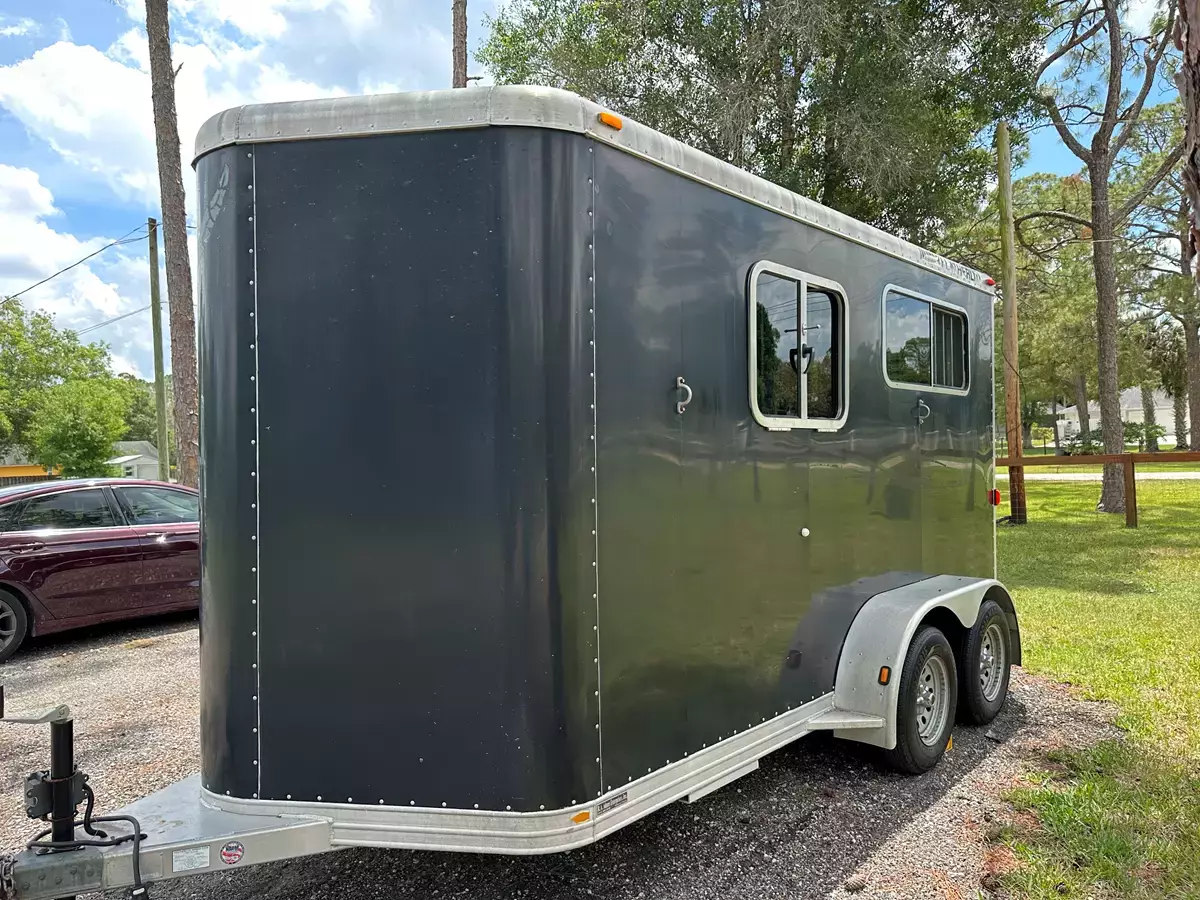
Learn How to Deep Clean a Horse Trailer Rental Effectively
 Neighbors Trailer
Jul 3, 2023 416 9 min read horse trailer rental
Why Deep Cleaning Your Horse Trailer Rental Matters
A horse trailer rental that looks and smells clean attracts more bookings, earns better ratings, and protects your investment. Horse trailers take a beating with every trip: manure, urine, hay, mud, and moisture accumulate quickly. If that buildup goes unaddressed, the floor can rot, metal surfaces corrode, and your horses face unnecessary health risks. Regular deep cleaning keeps your trailer in top shape for longer, reducing expensive repairs and making every trip safer for the animals inside.
Whether you rent your trailer through Neighbors Trailer or use it exclusively for your own horses, a systematic cleaning routine separates a well-maintained trailer from one that wears out fast. This guide walks you through every step of the process, from gathering supplies to the final inspection. For broader maintenance tips, see our guide on storing your trailer safely in the winter, which covers corrosion prevention across every trailer type.
Supplies You Need Before You Start
Gathering everything before you begin saves time and keeps the cleaning process moving. Horse trailer cleaning requires:
- A pressure washer or strong garden hose with a high-pressure nozzle
- Bleach (household chlorine bleach for disinfection)
- A stiff-bristled scrub brush and a softer brush for painted surfaces
- A floor mop and a bucket
- A shovel and a stiff broom
- Horse-safe disinfectant spray or enzymatic odor eliminator
- Rubber gloves and eye protection
- A ladder for roof access
Step-by-Step Guide to Deep Cleaning a Horse Trailer
Step 1: Clear Out the Trailer Completely
Before any water or cleaning product touches the trailer, remove everything inside. Take out rubber floor mats, hay bags, water buckets, tack, tools, and any stored equipment. This gives you full access to every surface and prevents items from getting soaked or contaminated. Once empty, do a visual inspection of the floor, walls, and ceiling for any cracks, rust spots, or damage worth noting before you get things wet.
Step 2: Dry Sweep and Shovel
Use a shovel to clear manure, wet bedding, hay, and solid debris from the floor. Follow with a stiff broom to sweep out finer particles. Keep the trailer doors and windows open during this step to maintain airflow and reduce your exposure to dust and fumes. Never skip this step before using water; it prevents debris from clogging drains and makes the wet cleaning stages far more effective.
Step 3: Wash the Exterior
Start with the outside of the trailer before moving inside. Use a pressure washer or hose to rinse off mud, road grime, and dried manure from all exterior panels, wheels, and the undercarriage. Pay close attention to the wheel wells and the area around the hitch, where grime accumulates and corrosion starts. For aluminum trailers, a mild soap solution prevents surface oxidation; our article on whether aluminum trailers develop rust explains why this step matters for long-term durability.
Step 4: Clean the Interior Walls and Ceiling
Spray the interior walls and ceiling with a diluted bleach solution (one cup bleach per gallon of water). Scrub from top to bottom to prevent dirty water from dripping onto already-cleaned surfaces. Use a soft brush on painted or coated surfaces to avoid scratching. Rinse thoroughly with clean water to remove all bleach residue, which can irritate horses if left behind.
Step 5: Deep Clean the Floor
The floor is the most critical and most challenging part of horse trailer cleaning. Manure and urine sitting on aluminum floors cause corrosion; on wood floors, they cause rot. After dry sweeping, mix a diluted bleach solution and mop the entire floor surface. For stubborn stains or buildup, scrub with a stiff brush. After scrubbing, mop again with clean water to remove bleach residue. Tilt the front of the trailer slightly upward to help water drain toward the rear doors.
Follow the mop with a final pass from the pressure washer to flush debris from corners and along edges. Let the floor dry completely before replacing mats or bedding. Moisture trapped under rubber mats accelerates floor deterioration rapidly.
Step 6: Clean and Inspect the Rubber Mats
The rubber mats removed in Step 1 need their own cleaning. Lay them flat on a concrete surface and scrub both sides with the bleach solution and stiff brush. Rinse thoroughly and allow to air dry before reinstalling. Check each mat for cracks, tears, or worn spots that could allow moisture to pool beneath them. Damaged mats should be replaced promptly.
Step 7: Deodorize the Interior
After the trailer dries, spray all interior surfaces with a horse-safe enzymatic odor eliminator. These products break down the organic compounds in urine and manure at a molecular level, eliminating odors rather than simply masking them. Avoid strong-scented products that could agitate horses. Leave doors and windows open to allow fresh air to circulate for at least an hour after deodorizing.
Step 8: Final Inspection and Hardware Check
Before closing everything up, walk through the trailer and inspect all hardware: door latches, tie rings, dividers, vents, and loading ramps. Clean and lubricate hinges, latches, and moving parts with a spray lubricant. These components corrode quickly when exposed to manure and moisture without regular cleaning. A quick wipe-down and spray of lubricant during each cleaning session extends the life of all moving parts and prevents costly replacements.
How Often Should You Deep Clean a Horse Trailer?
Cleaning frequency depends on how heavily you use the trailer. The chart below shows recommended intervals for deep cleaning based on usage level.
Recommended days between deep cleans by usage level. Rental trailers should be cleaned between every booking.
| Usage Level | Frequency | Days Between Deep Cleans | Key Focus Areas |
| Occasional Use | Monthly | 30 | Floor, mats, odor elimination |
| 1x Per Week | Every 3 weeks | 21 | Walls, floor, hardware |
| 2-3x Per Week | Every 2 weeks | 14 | Full interior, exterior wash |
| Daily Use | Weekly | 7 | All surfaces, disinfection |
| Rental Use | Between bookings | 3 | Complete deep clean every rental |
For rental trailers listed on Neighbors Trailer, a deep clean between every booking is the best practice. Renters notice a clean trailer and reflect that in their reviews, which directly impacts your booking rate and search visibility on the platform.
Common Deep Cleaning Mistakes to Avoid
Using Too Much Bleach
Bleach is effective but using it undiluted or in high concentrations can damage rubber mats, corrode metal fittings, and leave harmful residue that irritates horses. Stick to a one-cup-per-gallon dilution and always rinse thoroughly after use.
Skipping the Roof
Many owners focus on the floor and walls but forget the roof. Horse trailers develop algae, mold, and dust buildup on the roof over time, especially around vents and seams. Include the roof in every deep cleaning session and check for any developing cracks or seal failures.
Not Drying Fully Before Closing
Closing a trailer before the interior is completely dry traps moisture inside. That moisture accelerates corrosion on metal surfaces, rot on wood floors, and mold growth on rubber mats. After cleaning, leave doors and vents open until you are confident the interior is fully dry.
Neglecting Hardware and Moving Parts
Door hinges, tie rings, ramp hinges, and divider hardware are often overlooked. These components corrode quickly when exposed to manure and moisture without regular cleaning and lubrication. A quick wipe-down and spray of lubricant during each cleaning session extends the life of all moving parts and prevents costly replacements.
Protecting Your Horse Trailer Investment with NT Protect
Even with diligent cleaning and maintenance, unexpected damage can happen during a rental. NT Protect coverage helps in rental situations where accidental damage occurs during a trip, and protection runs a few dollars per day. For owners listing their horse trailers on Neighbors Trailer, NT Protect offers peace of mind so that a single rental incident does not offset months of careful maintenance. You can learn more about coverage options when you set up or update your listing on the platform.
Frequently Asked Questions
How long does a full deep clean of a horse trailer take?
A thorough deep clean of a standard two-horse trailer typically takes two to four hours, depending on how dirty it is and whether a pressure washer is available. Allow extra time for drying before returning the trailer to service.
What is the best disinfectant for horse trailers?
Diluted household bleach (one cup per gallon of water) is effective for most disinfection needs. For odor elimination, enzymatic cleaners formulated for livestock use work better than bleach on certain surfaces. Whichever product you use, always rinse thoroughly and allow full drying before horses go back inside.
How do I deal with mold or mildew inside the trailer?
For surface mold, a diluted bleach solution applied with a scrubbing brush and allowed to sit for five to ten minutes usually handles it. Rinse completely after scrubbing. For persistent or widespread mold, consider a professional trailer cleaning service. Improving ventilation between trips and ensuring the trailer dries fully after each cleaning session are the best long-term preventive measures.
Should I seal the wood floor after deep cleaning?
Yes, applying a wood sealant every one to two years provides a protective barrier against moisture, urine, and manure. Allow the floor to dry completely before applying sealant and use a product rated for high-moisture environments. Sealed wood floors resist rot significantly better and last considerably longer than untreated ones.
Does trailer cleanliness actually affect rental ratings on Neighbors Trailer?
Yes. Cleanliness consistently ranks among the top factors renters mention in reviews. A trailer that smells fresh, has a spotless floor, and shows evidence of regular maintenance earns higher ratings and more repeat bookings. On Neighbors Trailer, your rating directly influences how prominently your listing appears to potential renters searching the platform.
Conclusion
Deep cleaning your horse trailer is not just about appearances; it protects the structural integrity of the trailer, safeguards the health of the horses inside, and directly affects your rental income and reputation on Neighbors Trailer. Following a consistent eight-step process and cleaning at the right frequency for your usage level will keep your trailer in excellent condition for years. A small investment of time after every trip pays back many times over in extended trailer life and satisfied renters.
Related Articles
- 10 Must-Have Accessories to Make Your Horse Trailer Better
- A Complete Guide to Transporting Horses on a Horse Trailer
- The Top 10 Best Horseback Riding Trails in the U.S.
- How To Effectively Rent Out Your Horse Trailers
Content Update: This guide was substantially updated in March 2026 with expanded towing safety guidance, improved equipment recommendations, and additional resources to help trailer owners tow safely and confidently.