

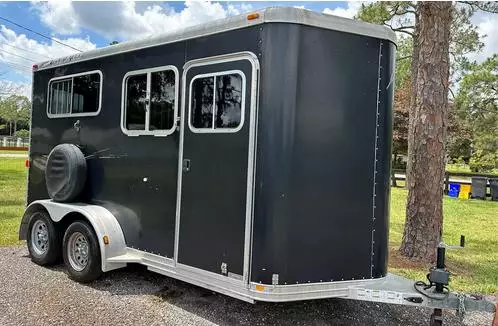
Horse Trailer Rental Loading Tips: 2026 Handler Guide
 Neighbors Trailer
Sep 23, 2023 290 8 min read horse trailer rental, horse transpor
Loading a horse into a rental trailer is the single most stressful step of any trip, for both horse and handler. A calm, confident load makes the whole transport smoother: the horse arrives relaxed, the drive is safer, and the trailer returns to its owner clean and undamaged. A stressful load, on the other hand, can mean kicked walls, pulled muscles, and a bad association that ruins the next ten trips before it starts.
This 2026 guide walks through the horse trailer loading tips that make the difference between a calm load and a disaster. Everything here applies to the kind of peer-to-peer trailers you rent on Neighbors Trailer, whether you are a first-time equestrian renter or a seasoned owner looking for small refinements. The techniques work across slant-load, straight-load, and stock-style trailers, and they work for green horses and veterans alike.
Before the Horse Arrives at the Trailer
Successful horse trailer loading starts well before you lead the halter to the ramp. Park the trailer on flat, level ground, open both the back and front doors or escape door, and let sunlight into the stall so it does not look like a dark cave. Check that the floor mats are dry, that no shavings have blown out, and that the trailer is hitched to the tow vehicle with the parking brake set, because a trailer that shifts under the horse's first step is a trailer that will be refused on the next trip.
Position a rubber mat or wood chip layer at the ramp junction so the horse does not hear a hollow thump when it steps up. If you are using a step-up trailer without a ramp, make sure the step height is comfortable: under 18 inches is ideal, and never over 22 inches for an average 15-hand horse. The type of flooring in the trailer matters here too; rubber-coated decking is quieter and feels more secure under hoof than bare aluminum.
Step-By-Step Horse Loading Process
Walk the horse up to the ramp or step in a straight line, halter in hand, lead rope soft but not loose. Do not hesitate at the entrance; hesitation from the handler is the clearest signal to a horse that something is wrong. Step onto the ramp yourself first if the layout allows, then invite the horse forward with a short cluck and a small pressure on the lead. Reward each forward step with a release of pressure and a quiet word, even if the step was only a few inches.
Leading vs. Self-Loading
Most seasoned horses will self-load when they know the routine. For a horse that self-loads, stand at the shoulder, point toward the trailer, and let the horse walk in at its own pace. For a horse that needs leading, walk in beside the shoulder if the stall is wide enough, or turn and step out the escape door once the horse is committed to the box. Never pull on the lead; you will lose a tug-of-war with a 1,200 pound animal every single time.
Using Reinforcement Correctly
A small treat offered as the horse reaches the inside of the trailer creates a strong positive association over two or three trips. Avoid treats at the ramp itself; that rewards standing still at the entrance. Some trainers use a butt rope looped behind the horse's hindquarters for extra encouragement on a reluctant loader, but this should only be used with a trained handler at each end and never as a substitute for basic groundwork.
Horse Trailer Loading Aids Compared
The right loading aid matters as much as technique. The table below compares five common horse trailer loading aids used by equestrians across the country in 2026, ranked by effectiveness for both first-time loaders and seasoned haulers.
| Loading Aid | Best For | Difficulty | Typical Cost |
| Butt Rope | Reluctant loaders | Medium, needs two handlers | $20 |
| Lunge Line Swing | Young horses | Medium | $30 |
| Clicker Training | Long-term conditioning | Low, takes weeks | $10 |
| Food Reinforcement | First-time loaders | Very Low | $5 |
| Stock-Style Open Trailer | Claustrophobic horses | Low | Rental only |
Loading Success Rate by Trailer Type
A recent survey of 500 equestrian renters across the United States showed that trailer style has a measurable impact on how often a horse loads on the first attempt. Stock-style and slant-load trailers consistently out-perform straight-load designs for first-time loaders, mainly because horses feel less confined in an open box.
NeighborsTrailer.com
Common Horse Loading Mistakes
Most loading problems trace back to a small number of recurring handler errors. First, handlers who rush the process teach a horse that the trailer is a pressure point, not a safe box. Give the horse two or three minutes to evaluate the trailer before asking for a step, especially on a rental the horse has never seen before. Second, never load with food already in a hay net; a horse that sees food inside the trailer but is not ready to step up becomes frustrated fast.
Third, avoid loading with the tow vehicle idling. The exhaust smell and vibration are new stressors on a first load. Fourth, if the horse backs out, do not punish; calmly walk it in a small circle and approach again. Fifth, never close the rear door or bar until the horse is fully forward and the chest bar or breast bar is set. A horse that backs into an unsecured door will panic and may injure itself or break the trailer. For trailer owners, regular horse trailer maintenance reduces these risks by keeping ramps, bars, and latches quiet and smooth.
Troubleshooting a Horse That Refuses to Load
If a horse plants its feet at the ramp after three calm attempts, stop and reset. Walk the horse around the trailer in a figure-eight pattern for two minutes, allow it to sniff the ramp on a loose lead, and offer a treat near the entrance so the trailer is the object the horse associates with the good thing. Then try one more calm approach. If that fails, the issue is rarely about the trailer itself; it is usually pain, fear from a past bad experience, or a handler cue the horse is reading as danger.
For a horse with a known bad loading history, consider renting a stock-style or open-front trailer from the Neighbors Trailer marketplace rather than a tight slant. You can also load a seasoned companion horse first; most horses will follow a confident stablemate into a trailer even when they will not go in alone. If all else fails, a short pre-trip training session with a professional in the days before the haul is cheaper and kinder than a roadside standoff on the day of the trip.
Frequently Asked Questions
How long should I allow for loading a horse into a rental trailer?
Plan for at least 20 to 30 minutes of loading time on the first use of any new trailer, even for a well-seasoned horse. Factor in another 10 minutes for the horse to settle once inside before you latch the rear and pull away.
Should I load my horse with or without a halter?
Always load with a well-fitted leather or breakaway halter and a soft lead rope. Nylon halters can cause serious injury if the horse panics and the halter catches on hardware. Tie the horse with a quick-release knot once loaded, or use a trailer-specific quick-release tie ring.
Is it safe to load a horse alone?
Solo loading is safe for well-trained horses that self-load, but you should always have a second handler for young or green horses, or for any horse with a history of rearing or refusing. The second handler can help guide the hindquarters without needing to pull on the lead rope.
What if the trailer has a steep ramp or tall step?
Ask the owner before booking. Most horses can handle a gradual ramp, but a tall step-up greater than 22 inches is a challenge for older or arthritic horses. Neighbors Trailer listings include ramp height and trailer style so you can filter for what your horse is comfortable with.
Final Thoughts on Loading a Horse Trailer Rental
The best horse trailer loading tips all share one thing in common: patience. A horse that is given time to choose the trailer on its own terms will load in under two minutes every time after the first few trips. A horse that is pressured or rushed will become harder to load every year. Take the time on the first load, pick the right trailer style, and follow the basics of groundwork, and every Neighbors Trailer rental from that point forward will be easier and safer for both of you.
Related Articles
- Effective Ways to Keep Your Horse Cool in Transit
- How to Deep Clean a Horse Trailer Rental
- Horse Trailer Rental Towing Guide
- Essential Horse Trailer Accessories
Content updated April 2026