20 Important Utility Trailer Towing Tips For Safe Off-Roading
 Neighbors Trailer
Nov 24, 2023 469 7 min read utility trail
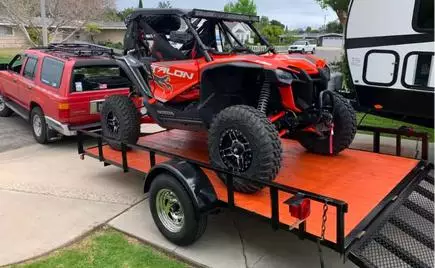
Towing a utility trailer off the pavement opens up a different kind of adventure. Hauling firewood up a logging road, dropping camp gear at a backcountry trailhead, or moving an ATV to the riding area all turn a basic open-deck trailer into a serious tool. Off-road towing also exposes weaknesses that highway driving never reveals: weak axles, undersized tires, soft suspensions, and bad load placement become problems within the first few miles. This guide covers the offroading habits that keep a utility trailer rolling safely on rough surfaces.
Is a Utility Trailer Right for Off-Road Use?
Standard utility trailers are built for paved-road duty, but most can handle moderate offroading with the right preparation and the right driving style. The defining factors are axle rating, tire choice, ground clearance, and how the load is secured. For owners weighing options, our guide to choosing the right trailer for off-road vehicles walks through how to match trailer capability to terrain.
Off-Road Capability Reference Table
The table below pairs typical utility trailer specifications with the kind of terrain they handle confidently. Use it as a sanity check before any planned off-pavement trip.
| Terrain | Recommended Trailer Specs | Speed Limit | Risk Level |
| Smooth gravel road | Stock single-axle, 13 to 15 in tires | 30 mph | Low |
| Washboard dirt road | Tandem axle, 10-ply tires preferred | 20 mph | Low to medium |
| Rutted forest road | Tandem axle, all-terrain tires, 4-inch lift | 10 to 15 mph | Medium |
| Rocky two-track | Heavy-duty axle, off-road tires, skid plates | 5 to 10 mph | High |
| Mud or sand | 4-inch lift, AT tires, locking tongue | Below 10 mph | High |
| River crossing | Sealed bearings, waterproof lights | Walking speed | Very high |
Pre-Trip Setup That Pays Off
Tire Pressure Strategy
Drop trailer tire pressure 5 to 10 PSI from highway settings before heading off-pavement. Lower pressure expands the contact patch, softens the ride, and reduces shock load through the axle. Carry a 12-volt air compressor and reinflate to highway PSI before returning to the asphalt.
Suspension Check
Inspect leaf springs for cracks, U-bolts for proper torque, and shackle bushings for play. Off-road impacts find every weak spot. If the trailer rides on a single-axle leaf spring, consider an upgrade to a torsion axle for any serious off-road use; torsion axles handle uneven terrain noticeably better.
Ground Clearance
Measure the lowest point of the trailer with a typical load aboard. Most utility trailers carry 12 to 14 inches of static clearance, which becomes 8 to 10 inches when articulating over rocks. Plan routes accordingly and avoid logs or rocks taller than 80 percent of the static clearance.
Load Distribution and Tie-Down Discipline
Off-road towing punishes loose loads. Every tie-down must be ratchet-strapped, not bungee-corded. Cargo should sit forward of the axle by 60 percent for proper tongue weight on rough terrain. Heavy items go on the floor against the front wall. Lighter items load above. The chart below shows how proper load placement reduces axle stress on a typical utility trailer.
NeighborsTrailer.com
Driving Technique Off-Pavement
Slow Down, Then Slow Down Again
The single biggest mistake off-road tow drivers make is carrying highway speed onto gravel. Trailer tires hop on washboard, the load shifts, and a single rut can send the trailer skating sideways. Pick a speed where the trailer settles between bumps rather than bouncing through them.
Pick the Smooth Line
The line that feels best in the truck is rarely the line that feels best for the trailer. Watch the truck mirrors and pick a line that lets the trailer wheels miss the worst rocks even if it puts the truck wheels on rougher ground. The trailer cannot steer itself.
Anticipate the Tongue
On steep climbs, weight transfers off the trailer tongue and onto the trailer axle. On steep descents, weight piles forward onto the tongue. Both situations affect tow vehicle handling. Use lower transmission gears for descents and avoid heavy braking, which can compress the tongue and unload the trailer axle dangerously.
River and Mud Crossings
Walk the crossing first. Confirm depth, bottom firmness, and exit slope. Cross at a steady walking pace; stopping in water or soft mud invites a stuck trailer. ATV and small motorcycle hauling tips that overlap with off-road utility trailer use are covered in our ATV utility trailer rental guide.
Recovery Gear and Post-Trip Care
Even with cautious driving, an off-road utility trailer can find a soft spot, a deep rut, or a stalled situation that requires a self-rescue. Carry a basic recovery kit dedicated to the trailer: a 20,000-pound rated tow strap with reinforced loops (not a hook), a pair of traction boards long enough to reach both trailer wheels, a folding aluminum shovel, and a 12-volt impact wrench with sockets for the lug nuts and ball coupler. Wrap the strap and boards in a small dry bag and store them at the front of the trailer where you can reach them without unloading the cargo. Knowing the gear is on board changes how confidently you approach a sketchy section of trail.
The wash and inspection routine after the trip matters as much as the prep before it. Mud packed into the brake drums, sand inside the bearings, and trapped water around the wiring harness all shorten component life if left in place. Pressure wash the underside of the deck, all leaf-spring shackles, and the hub area within 24 hours of returning to pavement. While the trailer is still on the wash pad, spin each wheel by hand to listen for grinding bearings, jiggle the coupler latch to confirm it locks crisply, and run a magnet over the deck to recover any stray hardware shaken loose by the rough surface. Documenting findings in a simple maintenance log makes the next pre-trip check faster and catches small issues before they become roadside breakdowns.
Frequently Asked Questions
What tire size handles light off-roading best?
14 or 15 inch tires with a load range D rating in an all-terrain tread pattern offer the best balance of load capacity, sidewall flex, and rough-surface grip for typical utility trailers.
Should I use a weight distribution hitch off-road?
No. Weight distribution hitches restrict articulation between the truck and trailer, which can cause structural damage on uneven terrain. Standard ball mounts are the right choice for off-road towing.
How do I prevent trailer flip on side slopes?
Keep cargo low and centered, never traverse a slope steeper than 15 degrees, and back down rather than turning around on hillsides.
Are surge brakes a problem off-road?
Surge brakes can chatter on steep descents because they engage with truck deceleration. Electric brakes are easier to modulate. If the trailer has surge brakes, lock them out for slow off-pavement work where allowed.
Closing Thoughts
Off-roading with a utility trailer is rewarding work when the rig is set up right and the driver respects what the terrain demands. Owners listing their utility trailer through Neighbors Trailer who add off-road readiness in the listing description routinely command higher daily rates because the rental opens up adventures most stock trailers cannot. Slow down, secure the load, watch the line, and enjoy the trail.
Related Articles
- How to Choose the Right Trailer to Haul Your Offroad Vehicles
- ATV Utility Trailer Rental
- The Best Trailer for Navigating Rough Terrain
- Enclosed Flatbed Utility Trailer Rental ATV
Content updated May 2026