Essential Guide on Trailer Deck Surfacing
 Neighbors Trailer
May 22, 2023 529 12 min read trailer maintenance, trailer flooring
Essential Guide on Trailer Deck Surfacing
When you are shopping for a flatbed or utility trailer rental, the deck surface matters more than you might think. Whether you are transporting heavy equipment, lumber, or delicate cargo, understanding trailer deck surfacing options will help you choose the right trailer for your specific needs. This comprehensive guide breaks down the most common deck materials, their maintenance requirements, and how to select the best option for your next project.
Why Trailer Deck Surfacing Matters
The deck is the working surface of your trailer. It bears the weight of your cargo, shields the structural frame from damage, and determines how easily cargo can be secured and moved. A quality deck surface prevents shifting loads, protects your goods from rust and corrosion, and extends the overall lifespan of the trailer itself. When you rent a trailer from NeighborsTrailer.com, choosing the right deck surface ensures you are getting the most value and reliability for your project.
Damaged or unsuitable deck surfaces lead to costly repairs, safety risks, and potential cargo loss. That is why all NeighborsTrailer.com rentals include NT Protect coverage, which is automatically charged at booking for just a few dollars per day. This mandatory protection covers accidental damage to trailer surfaces, giving you peace of mind during your rental period.
Wood Deck Surfaces: The Traditional Choice
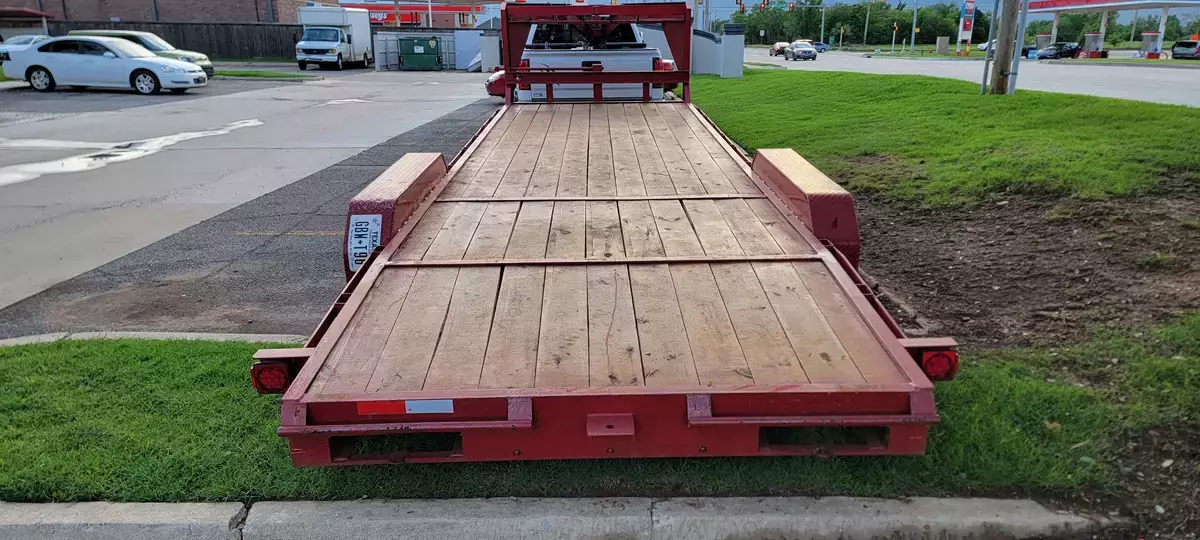
Wooden decks remain the most common option for flatbed trailers. They offer excellent grip for cargo, natural shock absorption, and easy DIY repairs. Most wooden trailer decks use pressure-treated pine or oak, selected for their strength-to-weight ratio.
Pine Deck Advantages and Limitations
Pine is the budget-friendly choice for trailer decks. It is lightweight, which means less towing weight and better fuel efficiency. Pine decks provide excellent traction without additional grip coating, and small repairs can be made with standard lumber from any hardware store. However, pine is softer than other wood options, making it more susceptible to denting and splintering under heavy use. A pine deck typically lasts three to five years with regular maintenance, depending on weather exposure and cargo weight.
Oak Deck Benefits
Oak wood offers superior durability compared to pine. It is harder, denser, and resists splintering better, making it ideal for trailers that transport rough materials or see frequent use. Oak decks can last seven to ten years with proper care. The trade-off is weight: oak adds approximately 20 percent more weight to your trailer compared to pine, which slightly reduces payload capacity and increases towing costs. Oak also carries a higher initial purchase price.
Wood Deck Maintenance
Wooden decks require regular maintenance to perform optimally. Seal your deck annually with a waterproof sealant to prevent water absorption, which causes swelling, rotting, and structural weakness. Inspect for splintering and sand smooth any rough spots. Remove debris and standing water after each use. During the off-season, store your trailer in a covered area to minimize weather exposure. If you notice soft spots or significant rot, they should be repaired immediately to prevent safety hazards and further deterioration.
For detailed information on deck repairs and restoration, check out our guide on flatbed trailer floor repair, which covers everything from replacing rotted boards to reinforcing weak sections.
Aluminum Deck Surfaces: Lightweight and Corrosion-Resistant
Aluminum has become increasingly popular for modern trailer decks, particularly for trailers that prioritize weight savings and minimal maintenance. Aluminum decks are naturally corrosion-resistant, making them ideal for coastal environments or trailers exposed to harsh weather conditions.
Aluminum Advantages
The primary advantage of aluminum is its light weight. An aluminum deck adds significantly less weight than wood, increasing your effective payload capacity. For businesses that transport time-sensitive loads or operate on tight fuel budgets, this weight savings translates directly to lower operating costs. Aluminum requires minimal maintenance: no sealing, painting, or sanding needed. It will not splinter, rot, or absorb water. Aluminum decks can last 15 to 20 years or more with proper care, substantially longer than wood.
Aluminum Disadvantages and Best Applications
The main drawback of aluminum is cost. An aluminum deck costs significantly more than a wood deck upfront. Additionally, aluminum surfaces can be slippery when wet, requiring grip tape or specialized coatings for safety. Cargo can slide more easily during transport if not properly secured. Aluminum also dents more visibly than wood, though dents do not compromise structural integrity. Aluminum decks work best for trailers carrying consistent loads in controlled environments, or for owners who value long-term durability over initial cost savings.
Steel Deck Surfaces: Maximum Durability and Strength
Steel decks offer unmatched strength and load capacity. They are commonly found on heavy-duty trailers designed for industrial applications, mining operations, and extreme-use scenarios.
Steel Deck Characteristics
Steel decks are the heaviest option, which reduces payload capacity but allows you to place concentrated loads in specific areas without concern. Steel surfaces will not dent, splinter, or deteriorate under normal use. They provide excellent grip naturally and can withstand impacts that would damage wood or aluminum. With proper rust prevention, steel decks can last 20 years or more.
Steel Maintenance Requirements
The critical maintenance factor for steel decks is rust prevention. Even high-grade steel will rust if exposed to moisture and oxygen without protection. Regular inspection for rust formation is essential. Any rust spots should be cleaned, treated, and recoated immediately. Paint or specialized coatings must be maintained to prevent corrosion. Steel decks require more active maintenance than aluminum, but less than wood. The added weight and ongoing rust management make steel decks best suited for specific industrial applications rather than general-purpose trailer rentals.
Composite Deck Surfaces: The Modern Alternative
Composite decks combine synthetic materials with reinforced fibers, offering a newer alternative to traditional materials. These decks aim to combine the benefits of wood, aluminum, and steel while minimizing their drawbacks.
Composite Advantages
Composite decks do not rot, splinter, or require sealing. They are lighter than wood and steel, though slightly heavier than aluminum. They resist corrosion naturally and require minimal maintenance beyond occasional cleaning. Many composite decks offer excellent grip without additional coatings. Lifespan typically ranges from 15 to 20 years, matching or exceeding wood alternatives.
Composite Considerations
Composite decks are relatively new to the trailer market, with less long-term data available compared to traditional materials. They tend to be more expensive than wood but less than quality aluminum. Some composite materials can become brittle in extreme cold, limiting their use in certain climates. They are best suited for trailers in moderate climates with moderate to heavy use.
Comparing Deck Materials at a Glance
| Material | Cost | Durability | Weight | Maintenance | Best Use |
| Pine Wood | Low | 3-5 years | Light | High (annual sealing) | General purpose, budget rentals |
| Oak Wood | Medium | 7-10 years | Medium | High (annual sealing) | Heavy loads, frequent use |
| Aluminum | High | 15-20+ years | Very Light | Low (minimal maintenance) | Weight-conscious, long-term ownership |
| Steel | Medium-High | 20+ years | Heavy | Medium (rust prevention) | Industrial, maximum strength needs |
| Composite | High | 15-20 years | Light-Medium | Low (occasional cleaning) | Modern trailers, moderate climates |
Deck Material Lifespan Comparison
NeighborsTrailer.com
Seasonal Considerations for Deck Surfacing
Different seasons present different challenges for trailer deck surfaces. Winter weather brings salt, snow, and ice, which accelerate corrosion on steel and can damage wood through freeze-thaw cycles. Spring thaw creates standing water issues that promote rot in wooden decks. Summer heat can warp wood and degrade protective coatings. Fall leaves and debris can trap moisture against the deck surface.
For trailers in regions with harsh winters, aluminum and composite decks offer advantages over wood and steel. Year-round, keep your deck clean and dry. Remove standing water within hours of rainfall. Check wooden decks for water damage before winter storage. For steel decks, inspect for rust formation seasonally. Aluminum decks need the least seasonal attention but should still be cleaned regularly to maintain grip and appearance.
Safety Considerations and Grip
Deck grip is crucial for cargo safety during transport. Wet decks become slippery, increasing the risk of cargo shifting or sliding. Wood naturally provides excellent grip, even when damp. Aluminum and steel are slippery when wet and may require grip tape or specialized coatings. Many trailers use a combination approach: wood or treated surfaces for grip, with protective strips or coatings in high-traffic areas.
When renting a trailer, inspect the deck surface condition before loading. Look for wet spots, debris, damaged areas, or reduced grip. If you are transporting cargo that requires maximum grip, consider requesting a wood-decked trailer or verify that grip coatings are in place. Learn more about advantages of specific trailer types in our article on advantages of tilt deck flatbed trailers.
Cost Analysis: Initial Investment vs. Long-Term Value
The cheapest option upfront is a pine wood deck, which may cost 30 to 50 percent less than an aluminum alternative. However, long-term cost of ownership tells a different story. A pine deck requires annual sealing, repairs every few years, and complete replacement after five years. Over a ten-year ownership period, the total cost approaches or exceeds that of an aluminum deck, which requires minimal maintenance and lasts 15 to 20 years.
For rental companies and frequent renters, aluminum and composite decks provide better return on investment despite higher upfront costs. For occasional users or budget-conscious renters, wood decks remain practical if you are willing to invest maintenance time. Steel decks occupy a middle ground, with moderate initial costs but significant ongoing maintenance requirements.
Remember that NT Protect coverage, included with all NeighborsTrailer.com rentals at just a few dollars per day, protects your investment regardless of deck material. This mandatory coverage automatically charges at booking and covers accidental damage to the deck and other trailer surfaces, ensuring you are protected during your rental period.
Choosing the Right Deck Surface for Your Project
Start by considering your cargo type. Heavy, abrasive materials benefit from harder surfaces like oak, steel, or aluminum. Delicate items may prefer wood shock absorption. Next, evaluate climate conditions. Coastal areas and high-moisture environments favor aluminum and composite. Moderate climates work well with any material. Consider frequency of use: heavy regular use justifies investment in durable materials like aluminum or steel. Occasional use makes wood practical.
Weight matters too. If maximizing payload capacity is important, choose aluminum or composite. If you are moving concentrated heavy loads, steel strength justifies its weight penalty. For most general-purpose rentals, wood remains the popular choice due to its balance of cost, performance, and practicality.
When booking through NeighborsTrailer.com, filter your search by deck material to find trailers matching your specific needs. Our marketplace offers diverse options, and detailed listings specify deck type, condition, and maintenance history. For additional guidance on trailer surfaces and specifications, explore our article on key facts about flatbed trailer surfacing.
Deck Maintenance Best Practices
Regardless of your chosen material, consistent maintenance extends lifespan and prevents costly repairs. For wood decks, inspect quarterly for water damage, splinters, and soft spots. Seal annually before winter. Clean debris within 24 hours of use. For aluminum and composite decks, inspect quarterly for damage and coating degradation. Clean as needed to maintain appearance and grip. For steel decks, inspect monthly for rust formation. Address any rust spots immediately with cleaning and recoating. Store all trailers in covered areas when possible to minimize weather exposure.
Never pressure wash wooden decks, which can force water into the wood grain and cause swelling. A standard garden hose or soft brush works fine for routine cleaning. For aluminum, low-pressure washing is acceptable. Steel decks tolerate pressure washing but avoid high-pressure jets directly on rust-prevention coatings.
Frequently Asked Questions About Trailer Deck Surfacing
What deck material requires the least maintenance?
Aluminum and composite decks require the least maintenance. Aluminum is naturally corrosion-resistant and only needs occasional cleaning. Composite decks will not rot or require sealing and benefit from periodic washing to maintain appearance and grip. Both require significantly less effort than wood or steel.
Can I replace just the deck surface without replacing the entire trailer?
Yes, deck resurfacing is a common and cost-effective repair option. Most wood decks can be replaced relatively affordably, while aluminum and composite replacements cost more but last longer. Steel decks can also be replaced if severe rust damage occurs. Consult a qualified trailer service to assess your specific trailer and provide replacement estimates.
Which deck material provides the best grip for cargo?
Wood naturally provides the best grip. Aluminum and steel are slippery when wet and typically require grip tape or specialized coatings. Composite decks offer good natural grip, falling between wood and treated aluminum. If grip is your priority and budget allows, wood remains the top choice for general applications.
Does NT Protect coverage apply to all deck surface types?
Yes, NT Protect is automatically included with all NeighborsTrailer.com rentals regardless of deck material. This mandatory coverage, charged at just a few dollars per day at booking, protects against accidental damage to any trailer surface including the deck. Your rental is protected from the moment you book until return.
How does temperature affect different deck materials?
Cold temperatures can cause wood to contract and crack, making spring inspection important in northern climates. Aluminum and composite materials handle temperature extremes better. Extreme heat can warp wooden decks and degrade protective coatings. Steel main challenge is condensation in temperature fluctuations, which promotes rust. Choose climate-appropriate materials for your region and usage patterns.
Related Articles
- Flatbed Trailer Floor Repair Guide
- Advantages of Tilt Deck Flatbed Trailers
- Key Facts About Flatbed Trailer Surfacing
- Why Servicing Your Flatbed Trailer Wheel Bearings Is Important
Content updated April 2026