How to Resurface the Deck on a Flatbed Trailer
 Neighbors Trailer
Aug 3, 2023 510 9 min read trailer resurfac
Flatbed Trailer Deck Resurfacing: A Complete Guide to Materials, Costs, and Best Practices
The deck is the most heavily used surface on any flatbed trailer. Every load you strap down, every piece of equipment you slide into position, and every sharp-edged item you haul takes a toll on the deck material. Over time, wood rots, aluminum dents, and coatings wear through. When the surface reaches the point where it compromises cargo safety or makes your trailer less appealing to potential renters, resurfacing becomes a smart investment rather than an optional repair.
Whether you own a flatbed trailer for personal projects or list it on Neighbors Trailer to earn rental income, understanding your resurfacing options helps you make a decision that balances durability, cost, and long-term value. This guide covers the most popular deck materials, what to look for when choosing a new surface, and how to get the most life out of whatever material you select.
Signs Your Flatbed Trailer Deck Needs Resurfacing
Not every scratch or scuff means you need a new deck. However, several warning signs indicate the surface has reached the end of its useful life. Soft spots in a wood deck suggest moisture damage and potential structural weakness. Visible cracks or splits that run along the grain can allow water into the cross members below, accelerating rust and rot. On aluminum decks, deep gouges or warping from heavy point loads may compromise the structural integrity of the floor. Rubber or vinyl surfaces that have peeled, bubbled, or worn through to the substrate no longer provide the traction and protection they were designed to deliver.
If your trailer deck shows any of these issues, resurfacing sooner rather than later protects the frame underneath and keeps your trailer safe for hauling. Renters on peer-to-peer platforms notice deck condition immediately, and a solid, clean surface builds trust and earns better reviews. Making sure you also keep your trailer tires in excellent condition rounds out a maintenance program that protects both the trailer and your reputation as an owner.
Key Factors to Consider When Choosing a New Deck Surface
Durability and Load Rating
The primary job of a flatbed deck is to support heavy, shifting, and sometimes sharp loads without failing. Pressure-treated lumber handles most general-purpose hauling well, but hardwoods like oak or apitong (also called keruing) offer superior impact resistance for equipment and machinery transport. Aluminum decking is lighter and immune to rot, though it dents more easily under concentrated point loads. Your choice should match the types of cargo you haul most often.
Chemical and Weather Resistance
Flatbed trailers live outdoors. Rain, snow, road salt, fuel spills, and chemical runoff from cargo all attack the deck surface over time. Wood decks need sealant or stain to resist moisture absorption. Aluminum naturally resists corrosion but can pit in salty environments without proper washing. Rubber and vinyl overlays create a chemical-resistant barrier that protects the structural deck underneath, making them popular for trailers that haul landscaping supplies or construction materials.
Traction and Cargo Safety
A slippery deck is a dangerous deck. Smooth aluminum or sealed wood can become treacherous when wet, causing loads to shift during braking or turns. Textured surfaces, diamond-plate aluminum, or rubber matting add grip that keeps cargo in place and reduces the reliance on tie-downs alone. If you rent your flatbed through Neighbors Trailer, renters appreciate a deck surface that makes loading and securing cargo easier and safer.
Ease of Maintenance and Cleaning
Some deck materials demand regular upkeep while others are essentially set-and-forget. Wood needs periodic sealing and inspection for rot. Aluminum requires only occasional washing. Rubber mats can be pulled up, hosed off, and reinstalled. Consider how much time you want to spend on maintenance when selecting a material, especially if your trailer stays busy with rental bookings. Regularly servicing wheel bearings and other components alongside deck care keeps the full trailer in top shape.
Popular Flatbed Trailer Deck Materials Compared
Pressure-Treated Pine
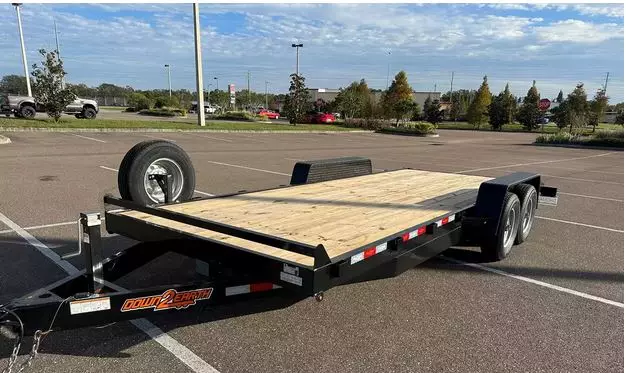
Pine is the most common factory-installed deck material on flatbed trailers. It is affordable, widely available, and easy to replace board by board. Pressure treatment adds resistance to rot and insects, though it does not eliminate the need for periodic sealing. Pine decks typically last five to eight years with proper care, making them a solid choice for general-purpose hauling where budget matters more than longevity.
Hardwood (Oak or Apitong)
Hardwood decks offer significantly better wear resistance and load-bearing capacity than pine. Oak is a domestic option that handles heavy equipment well, while apitong is a tropical hardwood prized for its density and natural oil content that resists moisture. Hardwood decks can last ten to fifteen years or more, but they cost roughly twice as much as pine and are heavier, which reduces your payload capacity slightly.
Aluminum Planking
Aluminum decking eliminates rot and insect damage entirely. It is lighter than wood, which boosts payload capacity, and it never needs sealing or staining. The trade-off is cost, as aluminum decking runs three to four times the price of pine, and susceptibility to denting under concentrated loads. Diamond-plate aluminum adds traction but increases the price further. Aluminum is an excellent choice for enclosed flatbed builds or trailers that haul lighter, high-value equipment. Extending the life of your tires is equally important, and you can learn more about how to extend tire life on your flatbed trailer.
Rubber Mat Overlay
Rubber mats install over an existing wood or aluminum deck to add traction, impact absorption, and chemical resistance. They protect the structural deck from scratches, dents, and corrosion while providing a non-slip surface that renters appreciate. Rubber mats are removable, which makes cleaning and inspection simple. They do add weight and a small amount of thickness to the deck profile, so verify that your ramp angles and tie-down clearances still work after installation.
Composite Decking
Composite materials blend wood fibers with plastic polymers to create a surface that resists rot, insects, and UV damage without requiring sealant. Composite decking weighs slightly more than pine but lasts considerably longer with almost zero maintenance. It is not as strong as hardwood under extreme point loads, so it works best for general hauling rather than heavy equipment transport.
Deck Material Comparison at a Glance
The table below summarizes the key differences between the five most common flatbed trailer deck materials to help you compare cost, lifespan, and best-use scenarios side by side.
| Material | Cost per Sq Ft | Lifespan | Weight | Maintenance | Best For |
| Pressure-Treated Pine | $2 - $4 | 5 - 8 years | Medium | Seal every 1-2 years | General hauling |
| Hardwood (Oak/Apitong) | $5 - $9 | 10 - 15 years | Heavy | Seal every 2-3 years | Heavy equipment |
| Aluminum Planking | $8 - $14 | 20+ years | Light | Wash only | High-value cargo |
| Rubber Mat Overlay | $3 - $6 | 8 - 12 years | Medium | Rinse and reinstall | Rental trailers |
| Composite Decking | $4 - $8 | 12 - 18 years | Medium | Wash only | Low-maintenance builds |
NeighborsTrailer.com
Earning Rental Income With a Well-Surfaced Flatbed Trailer
A flatbed trailer with a clean, sturdy deck is one of the most in-demand rental items on Neighbors Trailer. Homeowners need flatbeds for furniture moves, contractors need them for job-site deliveries, and hobbyists need them for hauling ATVs, motorcycles, and project cars. A resurfaced deck signals to renters that your trailer is well maintained and ready for work, which translates into more bookings and better reviews.
Owners keep 80 percent of the rental price on Neighbors Trailer, and the platform handles payment processing and renter communication. Every booking automatically includes NT Protect, which is mandatory coverage charged to the renter at the time of booking for just a few dollars per day. That built-in protection means you do not need to worry about accidental damage to your freshly resurfaced deck during a rental period.
Frequently Asked Questions
How often should I resurface a flatbed trailer deck?
It depends on the material and how heavily the trailer is used. Pine decks typically need replacement every five to eight years, while hardwood and composite surfaces can go ten to eighteen years. Inspect your deck at the start of each season and after any especially heavy or abrasive load. If you notice soft spots, cracks, or widespread surface wear, it is time to plan a resurfacing project.
Can I resurface the deck myself or do I need a professional?
Most deck resurfacing projects are manageable for a handy trailer owner. Replacing wood planks requires basic carpentry skills and standard tools like a circular saw, drill, and socket set. Rubber mat overlays are even simpler since they lay on top of the existing deck. Aluminum decking installation may require more precision, but bolt-on systems are available that eliminate the need for welding.
What is the best deck material for a rental flatbed trailer?
Rubber mat overlays are an excellent choice for rental trailers because they are durable, easy to clean between renters, and provide superior traction. If you prefer a structural deck material, pressure-treated pine offers the best balance of cost and performance for trailers that see varied use from different renters.
Does resurfacing a trailer deck increase its rental value?
Yes. A fresh, solid deck surface signals to renters that the trailer is well maintained and safe to use. Owners with clean, resurfaced trailers on Neighbors Trailer consistently earn higher daily rates and receive more booking requests than owners with visibly worn equipment.
How does NT Protect work when renting my flatbed trailer?
NT Protect is mandatory coverage that is automatically included in every Neighbors Trailer booking for a few dollars per day. The renter pays for it at the time of booking, and it covers the rental period so both parties have peace of mind. You do not need to arrange separate insurance for individual rentals.
Related Articles
- Flatbed Trailer Rental Floor Repair Guide
- When Is a Deckover Flatbed Trailer a Great Option?
- Essential Guide on Trailer Deck Surfacing
- Preparing Your Flatbed Trailer for Safe Towing in the Spring
Content updated April 2026