

6 Most Popular Types of Trailers You Can Buy in 2023 & Why
 Neighbors Trailer
Oct 15, 2023 1104 6 min read trailer typ
The light trailer market continues to grow as more homeowners, contractors, and small business owners discover how much easier life becomes with the right trailer behind the truck. According to industry estimates, North American buyers now account for roughly half of global light trailer sales, with utility trailers leading the way. If you are considering buying or renting a trailer in 2026, this guide walks through the most popular categories, what each one is best for, and how to decide between owning and renting.
Trailers are not one-size-fits-all. The wrong choice means extra trips, damaged cargo, or a piece of equipment that sits in your driveway most of the year. Use this guide to narrow down what fits your actual usage before you buy.
Six Most Popular Trailer Types in 2026
The chart below shows roughly how the U.S. light trailer market is divided today. Utility trailers remain the most popular for their simplicity and low cost of entry, while enclosed cargo and flatbed trailers each hold strong shares for moves and equipment hauling.
NeighborsTrailer.com
Utility Trailers
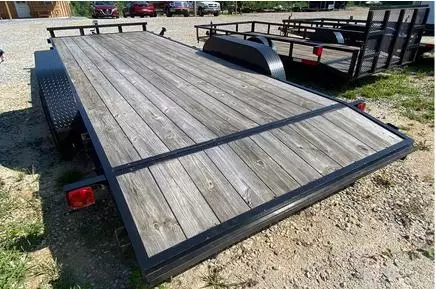
Open-deck utility trailers are the most common rental and the most common purchase for homeowners. They handle yard waste, lumber, ATVs, riding mowers, and weekend hauling without the weight or wind resistance of an enclosed body. If most of your loads are dry and tolerant of weather, a utility trailer is hard to beat. For a deeper read, see our utility trailer buying guide.
Enclosed Cargo Trailers
Enclosed trailers protect their contents from weather and theft. They are the right pick for moves, mobile workshops, motorcycles, and any cargo that needs to stay clean and dry. Expect to pay a premium for the closed body, both at purchase and at rental.
Flatbed Trailers
Flatbeds are the workhorse of contractors, equipment dealers, and anyone hauling oversized or oddly shaped loads. Loading is easy from any side, and tie-down points are usually plentiful. Flatbeds expose cargo to weather, so plan accordingly.
Dump Trailers
Dump trailers shine when the job involves debris, dirt, gravel, or roofing tear-off. The hydraulic lift saves hours of shovel work. They are heavier and more expensive than open utility trailers, but on a job site they pay for themselves quickly.
Equipment Trailers
Heavy equipment trailers are built around tandem axles, ramps, and reinforced decks for skid steers, mini excavators, and tractors. If you regularly move equipment over 5,000 pounds, this is the only trailer type that handles the job safely. Read our equipment trailer buying guide for more on selection.
Travel Trailers
RV-style travel trailers fall into a different category, but they round out the market. Buying a travel trailer is a long-term lifestyle commitment that brings storage, registration, and maintenance costs different from utility trailers.
Buying vs Renting in 2026
The most important decision before you buy is how often you will actually use the trailer. The break-even between renting and owning has shifted as peer-to-peer rental marketplaces have grown. The table below summarizes typical economics for the most common trailer categories. You can run these break-even numbers for your own usage with our trailer cost-of-ownership calculator before deciding.
| Trailer Type | Typical New Price | Average Daily Rental | Break-Even Days/Year |
| Utility (5x10) | $1,800 to $2,800 | $50 to $80 | Around 35 days |
| Enclosed Cargo (7x14) | $7,000 to $10,000 | $110 to $180 | Around 60 days |
| Flatbed (16ft) | $5,500 to $8,000 | $95 to $150 | Around 55 days |
| Dump (10 cubic yard) | $10,000 to $14,000 | $150 to $250 | Around 60 days |
| Equipment (20ft) | $8,000 to $12,000 | $140 to $220 | Around 55 days |
The numbers are approximate, but the principle holds: if you use the trailer fewer days per year than the break-even, renting is the cheaper choice. Add storage and registration on top of the purchase price and the math swings further toward renting for occasional users.
What to Inspect Before Buying
If buying makes sense for your usage pattern, focus on the parts that fail first. A used trailer is fine, even excellent value, as long as you check the right items.
Frame and Welds
Inspect the main frame rails and cross members for rust, cracks at the welds, and previous repairs. A bent or repaired frame is a deal-breaker on a used trailer.
Axles and Bearings
Spin each wheel and listen for grinding. A dry or pitted bearing is a cheap fix if caught early, but it indicates the trailer was likely under-maintained.
Tires
Check the manufacture date stamped on the sidewall. Trailer tires expire after roughly five years regardless of tread depth. Plan to replace older tires before any long trip.
Wiring and Lights
Confirm every light works before you finalize the purchase. Replacing a wiring harness is doable, but it eats hours of weekend time you would rather spend hauling.
Title and VIN
Match the title to the VIN stamped on the frame. Mismatched paperwork is a red flag and may make registration impossible in your state.
Booking a Rental on Neighbors Trailer
If renting is the better fit, the booking flow on Neighbors Trailer is straightforward. Enter your zip code, pick a date range, filter by trailer type, and review owner ratings before you commit. Renters must be at least 21 years old. Owners receive payouts via Stripe in 2 to 3 business days, and they set their own daily and weekly rates so you can shop on price as well as availability.
Frequently Asked Questions
Should I buy new or used?
Used trailers from a careful first owner offer the best value. New trailers are worth the premium only if you cannot find a clean used unit in the size you need or if you plan to keep the trailer for a decade or more.
Do I need to register a trailer?
Most states require trailer registration above a certain GVWR threshold. Check your state DMV for current rules. A title is required for resale even when registration is optional.
Can a half-ton truck pull most light trailers?
A modern half-ton with a tow package handles most utility, cargo, and flatbed trailers up to about 7,000 pounds combined. Above that, step up to a three-quarter-ton.
How long do trailers typically last?
A well maintained trailer can last 20 to 30 years. Tires, wiring, and bearings need periodic replacement, but the frame should outlast several tow vehicles.
What is the cheapest trailer to own?
A small open utility trailer is the cheapest to buy and maintain. Galvanized models last longer in wet climates than painted steel.
Conclusion
The right trailer depends on what you actually haul, how often, and how far. Buyers who use a trailer most weeks of the year benefit from owning. Everyone else saves money and avoids the hassle of storage by renting through a peer-to-peer platform. Pick the trailer category that matches your loads, run the rent vs buy math honestly, and inspect carefully if you decide to purchase. With the right setup, hauling becomes the easy part of every project.
Related Articles
- The Used Trailer Buying Guide
- Utility Trailer Buying Guide
- Utility Trailer Rental Buying Guide
- Choosing the Right Equipment Trailer
Content updated April 2026