The Ultimate Trailer Buying Guide for Buying a Utility Trailer
 Neighbors Trailer
Apr 5, 2023 1100 8 min read trailer buying guide, utility trailer renta
Content updated March 2026 - NeighborsTrailer.com
Buying a utility trailer is one of the smartest investments you can make if you regularly haul equipment, materials, vehicles, or recreational gear. Unlike enclosed cargo trailers, utility trailers feature an open flatbed design that makes loading and unloading fast and gives you the flexibility to carry oversized items that would never fit inside a box trailer. However, with dozens of sizes, materials, axle configurations, and price points on the market, choosing the right utility trailer can feel overwhelming, especially if you are a first-time buyer. This guide from NeighborsTrailer.com walks you through every factor you need to evaluate so you can buy with confidence and get the best value for your money.
What Is a Utility Trailer?
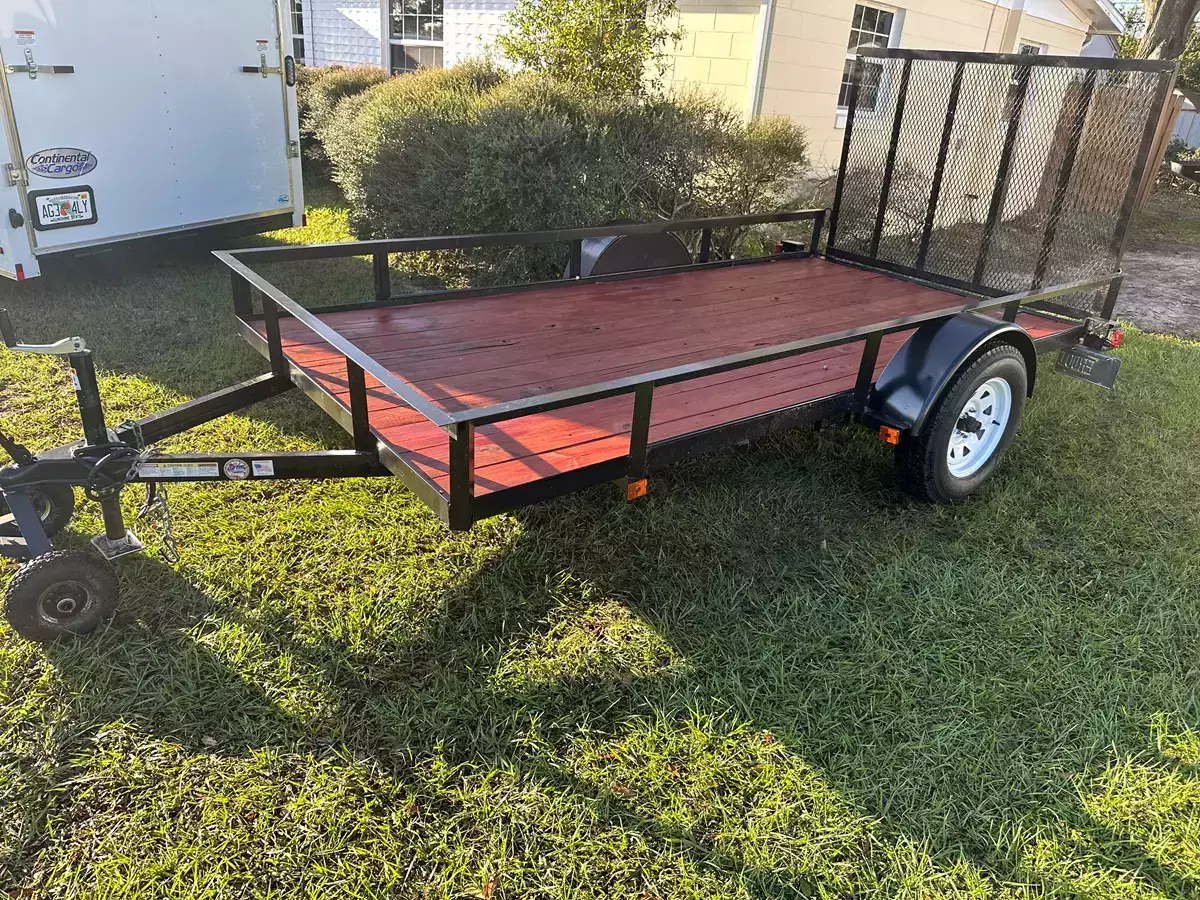
A utility trailer is an open, flatbed-style trailer designed for general-purpose hauling. Most utility trailers have a steel or aluminum frame, a wood or metal deck, low side rails or no sides at all, and a rear gate that folds down to create a loading ramp. They connect to your tow vehicle through a standard ball-and-coupler hitch and are available in single-axle and tandem-axle configurations depending on the weight capacity you need. Utility trailers are popular with homeowners, landscapers, contractors, farmers, and anyone who needs a reliable way to move heavy or bulky loads. If you are still deciding between a utility trailer and an enclosed option, our comparison of utility trailers vs cargo trailers for landscaping can help you make the right choice.
How to Choose the Right Size
Size is the first and most important decision when buying a utility trailer. A trailer that is too small will limit what you can haul, while one that is too large will cost more to buy, store, and tow. For homeowners who need to haul lawn equipment, furniture, or appliances, a 5x8 or 5x10 foot trailer is usually sufficient. Landscapers and contractors who carry mowers, wheelbarrows, and building materials will typically need a 6x12 or larger. If you plan to haul ATVs, side-by-sides, or small vehicles, look at 7x14 or 7x16 foot models with built-in ramps and tie-down points. The table below compares common utility trailer sizes with their typical use cases and payload ranges.
| Trailer Size | Best For | Typical Payload | Avg Price (New) |
| 5x8 ft | Light homeowner use, small loads | 1,000 to 1,500 lbs | $1,000 to $1,400 |
| 5x10 ft | Lawn equipment, small moves | 1,500 to 2,000 lbs | $1,400 to $1,800 |
| 6x10 ft | Landscaping, medium loads | 2,000 to 2,500 lbs | $1,800 to $2,400 |
| 6x12 ft | Contractors, heavier equipment | 2,500 to 3,500 lbs | $2,400 to $3,200 |
| 7x14 ft | ATVs, side-by-sides, bulk materials | 3,500 to 5,000 lbs | $3,000 to $4,000 |
| 7x16 ft | Multiple ATVs, small vehicles | 5,000 to 7,000 lbs | $3,800 to $4,800 |
Price vs Payload Capacity by Size
The bar chart below gives you a visual comparison of average new price and payload capacity across the most popular utility trailer sizes in 2026.
Steel vs Aluminum: Which Material Is Better?
The frame and deck material affect the trailer's weight, durability, maintenance requirements, and price. Steel trailers are less expensive upfront and offer excellent strength, but they require regular maintenance to prevent rust, especially if you live in a region that uses road salt in winter. Aluminum trailers cost 20 to 40 percent more than comparable steel models, but they are significantly lighter, which improves fuel economy and allows you to carry more payload within the same gross vehicle weight rating. Aluminum also resists corrosion naturally, which means less time spent on upkeep over the life of the trailer. For most buyers who plan to keep their trailer for five years or more, aluminum delivers better long-term value despite the higher purchase price.
Single Axle vs Tandem Axle
The axle configuration determines how much weight the trailer can handle and how it behaves on the road. Single-axle utility trailers are lighter, easier to maneuver in tight spaces, and less expensive, making them a good choice for loads under 3,000 pounds. Tandem-axle trailers distribute weight across four tires instead of two, which provides greater stability at highway speeds, better braking performance, and higher payload capacity. If you plan to regularly haul loads over 3,000 pounds or travel long distances on the highway, a tandem-axle trailer is the safer and more practical choice. For a deeper look at axle options, read our guide on choosing between spring and torsion axles.
Matching the Trailer to Your Tow Vehicle
Before you buy any utility trailer, verify that your tow vehicle can handle its fully loaded weight. Check your vehicle's towing capacity in the owner's manual or on the driver's side door jamb sticker. The trailer's gross vehicle weight rating (GVWR) plus the weight of your cargo must not exceed your vehicle's maximum tow rating. You also need to account for tongue weight, which is the downward force the trailer hitch puts on the rear of your tow vehicle. Tongue weight should be roughly 10 to 15 percent of the total loaded trailer weight for stable towing. Ignoring these numbers can lead to dangerous swaying, brake failure, or transmission damage on the road. For more on matching trailer and vehicle, check out our utility trailer rental buying guide.
New vs Used: What to Look For
Buying a used utility trailer can save you 30 to 50 percent compared to new, but only if you know what to inspect. After that, the Trailer Value Calculator helps you land on a fair price to offer. Start with the frame. Look for cracks, deep rust, or signs of previous welding repairs at stress points like the tongue, axle mounts, and corner joints. Check every tire for dry rot, uneven wear, and proper inflation. Spin each wheel by hand and listen for grinding or roughness in the bearings. Test the coupler mechanism, safety chains, and all lighting connections. If the trailer has a wood deck, press firmly on each board to check for soft spots that indicate rot. A trailer with a solid frame and good axles is worth buying even if it needs cosmetic work, but a trailer with frame damage or worn bearings can quickly become a money pit.
Try Before You Buy: Rent First on NeighborsTrailer.com
If you are not sure which size or style of utility trailer is right for you, renting one first is the smartest move you can make. NeighborsTrailer.com connects you with trailer owners in your area who rent out their utility trailers by the day or week at a fraction of the cost of buying new. Renting lets you test different sizes, axle configurations, and towing setups before committing thousands of dollars to a purchase. Our utility-trailer buy-vs-rent comparison maps out when each option wins. Many buyers on our platform tell us that renting first saved them from buying the wrong size trailer.
Protect Your Rental With NT Protect
When you rent a utility trailer through NeighborsTrailer.com, we recommend adding NT Protect to your reservation. NT Protect is our dedicated protection package that covers accidental damage to the rental trailer during your trip. Whether you are hauling mulch to a job site or moving furniture across town, NT Protect gives you and the trailer owner confidence that unexpected damage costs are covered. It is affordable, easy to add at checkout, and one of the smartest decisions you can make for any peer-to-peer trailer rental.
Frequently Asked Questions
What size utility trailer do I need for a riding lawn mower?
A 5x8 or 5x10 foot utility trailer is large enough for most standard riding lawn mowers. If you also need to carry a push mower, trimmer, and blower, step up to a 6x10 to give yourself comfortable room for all your equipment.
Do I need a title and registration for a utility trailer?
Requirements vary by state. Most states require trailers over a certain weight, typically 1,000 to 3,000 pounds GVWR, to be titled and registered. Some states require registration for all trailers regardless of size. Check your specific state's DMV website before purchasing to understand the paperwork and fees involved.
How long does a utility trailer last?
A well-maintained steel utility trailer can last 15 to 20 years or more. Aluminum trailers often last 25 years or longer because they do not rust. Regular maintenance including tire replacement, bearing repacking, and frame inspection will maximize the lifespan of any trailer.
Can I finance a utility trailer purchase?
Yes, many trailer dealerships offer financing options for new and used utility trailers. Some manufacturers also partner with lending institutions to offer low-interest promotional rates. If dealer financing rates are high, consider a personal loan from your bank or credit union as an alternative.