A Complete Guide to Heavy-Duty Flatbed Trailer Rental Towing
 Neighbors Trailer
Dec 30, 2023 315 7 min read flatbed trailer renta
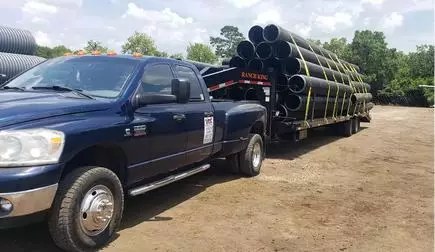
Heavy-duty flatbed trailer rentals are the workhorses of construction sites, landscaping crews, equipment movers, and anyone who needs to haul oversized or heavy cargo without owning the trailer outright. Whether you are a roofing contractor moving pallets of shingles, a homeowner relocating a small skid steer, or a fleet manager looking to expand capacity for a single big project, a heavy-duty flatbed gives you the deck space and payload muscle to get the job done in one trip.
This guide walks through every part of renting and using a heavy-duty flatbed: choosing the right model, understanding load capacity, hitching it correctly, securing your cargo, and getting the most value out of the rental. By the end, you will know exactly what to ask for when you book through Neighbors Trailer and how to keep your haul safe from pickup to drop-off.
What Counts as a Heavy-Duty Flatbed Trailer?
Not every flatbed is built for heavy work. A heavy-duty flatbed typically has a gross vehicle weight rating (GVWR) of 14,000 pounds or more, dual axles with electric brakes on both, and a reinforced steel frame designed to carry concentrated point loads. Most heavy-duty rentals on the Neighbors Trailer marketplace fall into one of three buckets: bumper-pull tandem flatbeds, gooseneck flatbeds, and equipment haulers with dovetail ramps.
Gooseneck models are popular for the heaviest loads because the hitch sits over the rear axle of the tow vehicle, distributing weight more evenly and improving stability. Bumper-pull flatbeds are easier for first-time renters to maneuver and require no in-bed hitch installation, which makes them the right choice for many home and small-business projects. Equipment haulers with dovetails and ramps are purpose-built for loading skid steers, mini excavators, and other tracked or wheeled machines.
Matching Trailer to Cargo: Typical Payload Capacities
One of the most common rental mistakes is undersizing the trailer. The table below shows typical payload ranges for popular heavy-duty flatbed categories so you can match the trailer to your real cargo weight, not your hopeful estimate. Add roughly 10 percent to your cargo estimate to account for tie-downs, dunnage, and weather-related weight swings on materials like lumber or mulch.
| Trailer Type | Typical GVWR | Usable Payload | Best For |
| Tandem Bumper-Pull Flatbed | 14,000 lb | 9,500 to 10,500 lb | Lumber, pallets, small tractors |
| Deckover Flatbed | 16,000 lb | 11,000 to 12,000 lb | Wide loads, hay bales, vehicles |
| Gooseneck Flatbed | 20,000 to 24,000 lb | 14,000 to 17,000 lb | Heavy equipment, building materials |
| Equipment Hauler w/ Dovetail | 14,000 to 20,000 lb | 9,000 to 14,000 lb | Skid steers, mini excavators |
| Hotshot Gooseneck | 30,000 lb | 20,000 to 22,000 lb | Commercial loads, ag equipment |
How Renting Compares to Buying
Heavy-duty flatbeds are not cheap to own. A new gooseneck flatbed in the 25-foot range starts north of $12,000, before you add registration, insurance, tires, brake maintenance, and storage. For a contractor who needs heavy capacity only a handful of times each year, peer-to-peer rental is almost always the better math.
The chart below illustrates the break-even point. For most occasional users, you would have to rent more than 60 days per year before buying starts to make financial sense. Below that threshold, you are paying for capacity that sits idle.
NeighborsTrailer.com
Hitching a Heavy-Duty Flatbed Correctly
Heavy trailers are unforgiving of hitch mistakes. Before you pull out of the listing owner's driveway, check three things: the coupler is fully seated and latched onto the ball or gooseneck pin, the safety chains cross under the tongue, and the breakaway cable is connected to the tow vehicle (not to the trailer itself). For gooseneck trailers, verify that the bed safety pin or jaw lock is engaged.
Brake controller setup is the most-skipped pre-trip step. Heavy-duty flatbeds always carry electric brakes on both axles, and your tow vehicle needs a working in-cab controller dialed to the right gain. A controller set too low will leave you relying entirely on the truck's brakes when the trailer pushes you on a downhill grade. A controller set too high will lock the trailer wheels in light braking. Test in an empty lot before you load up.
Securing Heavy Cargo: Tie-Down Rules of Thumb
The Federal Motor Carrier Safety Administration requires that the working load limit of your tie-downs equal at least half the weight of the cargo. For a 6,000-pound skid steer, that means a minimum of 3,000 pounds of working load limit across your straps or chains, and most haulers double that for safety. Use four anchor points minimum on any wheeled or tracked equipment, and add a fifth chain to the bucket or attachment if it can swing.
For palletized loads like brick, block, or roofing materials, ratchet straps over the top with edge protectors are the standard. Walk around the trailer at every fuel stop on long hauls to confirm nothing has shifted. For deeper coverage, see our guide on ratchet strap techniques for flatbed trailer rentals.
Tow Vehicle Requirements
Most heavy-duty flatbed rentals require at least a three-quarter-ton truck, and gooseneck models need a one-ton or larger pickup with an in-bed hitch already installed. Check your truck's payload capacity on the door jamb sticker, not the marketing brochure. The trailer's tongue weight (or pin weight for goosenecks) counts against your truck's payload, and many half-ton trucks run out of payload long before they run out of towing capacity.
Booking on Neighbors Trailer
Listings on the Neighbors Trailer marketplace show GVWR, deck length, deck width, ramp type, and recent reviews. Filter by your minimum payload need and by the towing class of your truck, and message the owner with any specifics about your load before you book. Owners are paid through Stripe within two to three business days of return, and the marketplace handles renter and owner verification. Renters must be at least 21 to book.
Frequently Asked Questions
How much does a heavy-duty flatbed trailer rental cost per day?
Daily rates on Neighbors Trailer typically run from $125 to $250 per day depending on size, GVWR, location, and season. Gooseneck and hotshot trailers command the higher end of that range, while standard tandem bumper-pulls sit closer to the bottom.
Do I need a special license to tow a heavy-duty flatbed?
For non-commercial personal use, most states allow standard driver's licenses up to 26,000 pounds of combined vehicle and trailer weight. If you are towing a 24,000-pound rated gooseneck behind a heavy pickup for business purposes, your state may require a commercial driver's license. Check your local DMV before you book.
What happens if I exceed the trailer's GVWR?
Overloading a heavy-duty flatbed voids the rental agreement, risks blowing tires or axles mid-haul, and exposes you to fines at any weight station. If your cargo is borderline, step up to the next trailer size rather than risk it.
Can I rent a heavy-duty flatbed for a single day?
Yes. Most owners on the marketplace accept one-day rentals, though some require a two-day minimum on the largest gooseneck and hotshot trailers. Look for the minimum rental length on the listing page before you book.
The Bottom Line
A heavy-duty flatbed trailer rental opens up hauling capacity that would otherwise cost tens of thousands to own. Match the trailer to your real cargo weight, verify your tow vehicle's payload, set up your brake controller, and secure the load with rated tie-downs. With those four boxes checked, you can move equipment, materials, and machinery that simply will not fit on a smaller trailer. Browse listings on Neighbors Trailer to find a heavy-duty flatbed near you and book directly with the owner.
Related Articles
- Tips for Beginners on Towing a Large Flatbed Trailer Rental
- Trailer Safety 101: Heavy Hauling Tips
- Preparing Your Flatbed Trailer for Safe Spring Towing
- Towing Mistakes to Avoid With a Flatbed Trailer Rental
Content updated May 2026