

Follow These 8 Steps to Hitch a Gooseneck Flatbed Trailer Correctly
 Neighbors Trailer
Nov 17, 2023 684 6 min read gooseneck trailer, trailer hitchin
If you have ever seen a flatbed trailer that looks like it stretches halfway down the block, hauling a piece of equipment large enough to make passing cars slow down, odds are you were looking at a gooseneck. Gooseneck flatbed trailer rentals are the heavy-haul workhorses for everyone from contractors moving skid steers to ranchers moving hay. This guide explains what makes a gooseneck different, when to rent one, and how to handle the bigger trailer with confidence.
What Is a Gooseneck Flatbed Trailer?
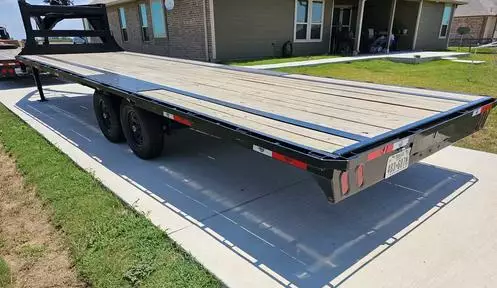
A gooseneck flatbed is a large open-deck trailer that connects to a special ball mounted in the bed of a pickup truck, not a hitch on the rear bumper. The connection point sits over the truck's rear axle, which transfers more weight directly to the truck's strongest part of the frame. The result is a trailer that can carry more cargo, tow more stably, and turn tighter than a comparable bumper-pull flatbed.
Goosenecks are mostly used by people who haul heavy and haul often. Construction crews, farmers, equipment dealers, and weekend movers with large loads all rely on goosenecks because the format simply does not get tired the way a smaller trailer would.
Gooseneck vs Bumper-Pull vs Fifth Wheel
Three trailer formats dominate heavy hauling. Each has a use, and choosing the right one depends on the truck you have and the cargo you need to move.
| Format | Connection Point | Typical Max Payload | Best For |
| Bumper Pull | Hitch ball at rear bumper | Up to 10,000 lbs | Light to mid weight cargo, small trucks |
| Gooseneck | Ball in truck bed, over axle | Up to 30,000 lbs | Heavy equipment, livestock, long loads |
| Fifth Wheel | Kingpin in truck bed | Up to 24,000 lbs | RV towing, commercial freight |
Payload Capacity at a Glance
Weight capacity is the single biggest reason renters choose a gooseneck. The chart below shows typical maximum payloads by format. Always confirm the trailer's gross vehicle weight rating on the listing before booking.
NeighborsTrailer.com
When to Rent a Gooseneck Flatbed
Goosenecks are not always the answer. They are the answer when one or more of the following is true:
- Cargo weight exceeds about 10,000 pounds
- Cargo length exceeds about 20 feet
- You need to maneuver the trailer in tight spaces, like job sites or paddocks
- You are pulling more than once a week and want a stable highway ride
- Your tow vehicle is a 3/4 ton or 1 ton pickup with a bed-mounted ball or kingpin
For lighter loads, a standard bumper-pull flatbed is cheaper, easier to hook up, and works with smaller tow vehicles. Everything to know about a gooseneck flatbed trailer rental goes deeper on this comparison.
What You Need on Your Truck
You cannot tow a gooseneck with a regular pickup hitch. The truck must have a gooseneck ball installed in the bed, centered over the rear axle, with the right ball size to match the trailer's coupler (most often 2 5/16 inches). The truck also needs a 7-pin trailer plug for the brake controller and lights, and the manufacturer's tow rating must exceed the loaded trailer weight.
Renters who do not have a gooseneck ball in their truck can usually have one installed in a few hours at a hitch shop. Some Neighbors Trailer owners offer trucks alongside their trailer rentals as a packaged option.
Hitch Setup and Hookup
Hooking up a gooseneck is a two-person job the first few times. Position the truck so the gooseneck ball lines up under the trailer's coupler, lower the trailer onto the ball, lock the coupler, and confirm the safety chain or cable is fastened. Plug in the wiring harness, raise the landing gear, and walk the trailer for a final check.
Loading and Weight Distribution
Goosenecks tolerate uneven loads better than bumper-pulls, but balanced loading still pays off. Aim for 25% of the cargo weight to land on the gooseneck connection, with the rest spread across the deck. Keep the heaviest items low and centered. Use rated tiedowns through the deck's anchor points.
Driving a Loaded Gooseneck
The biggest surprise for first-time gooseneck drivers is how short the trailer feels in turns. Because the connection point sits over the truck's rear axle, you can swing tighter than you would expect, and the trailer tracks closely behind the truck. The flip side is that the loaded trailer is heavier, so braking distance grows. Plan stops earlier and avoid sudden lane changes.
On the highway, keep your speed at or below the rating on the trailer tires. Most are rated for 65 mph. Slow down for crosswinds and stay alert to sway, which is rare in a gooseneck but possible with a tall load.
Cost, Insurance, and Booking on Neighbors Trailer
Gooseneck flatbeds rent for more per day than smaller trailers because of their higher purchase price and maintenance costs. Expect to see a wider range of daily rates depending on length, deck height, and ramp configuration. Coverage is included with every rental on Neighbors Trailer, the renter must be at least 21 to book, and owner payouts run through Stripe.
Frequently Asked Questions
What size pickup do I need to tow a gooseneck?
Most gooseneck flatbeds require at least a 3/4 ton pickup. Heavier loads and longer trailers need a 1 ton dually. Confirm both your truck's tow rating and the loaded trailer weight before booking.
Can a gooseneck handle long loads better than a bumper pull?
Yes. Because the trailer's pivot point is over the truck's rear axle, long loads track straighter and the trailer fishtails less. A gooseneck vs traditional flatbed comparison covers the engineering reasons in more depth.
Do I need a CDL to tow a rental gooseneck?
For private, non-commercial use, generally no. State rules vary, especially if you are using the trailer for paid work, so check your local DMV before booking.
What is the maximum cargo a gooseneck flatbed can carry?
Most consumer-grade gooseneck flatbeds rate between 16,000 and 30,000 pounds gross. Subtract the trailer's empty weight to get usable cargo capacity, which is typically 12,000 to 24,000 pounds.
Can I rent a gooseneck for a single day?
Yes. Most listings on Neighbors Trailer support single-day bookings, with discounts for multi-day rentals. Renters must be at least 21.
The Bottom Line
A gooseneck flatbed is the format you reach for when the cargo is heavy, long, or both. Once you understand the truck setup and the loading rules, the gooseneck is one of the safer and more stable trailers to tow because the weight rides over the rear axle of your pickup. Match the right trailer to the right job, and the gooseneck will earn its rental fee on the first trip.
Related Articles
- Everything to Know About a Gooseneck Flatbed Trailer Rental
- Gooseneck vs Traditional Flatbed Trailer Rental
- Gooseneck Cargo Trailer Rental Guide
- Gooseneck Cargo Trailer Driving Tips
Content updated May 2026