

How to Avoid Clearance Issues with a Gooseneck Trailer
 Neighbors Trailer
Nov 21, 2023 2425 5 min read gooseneck trailer clearanc
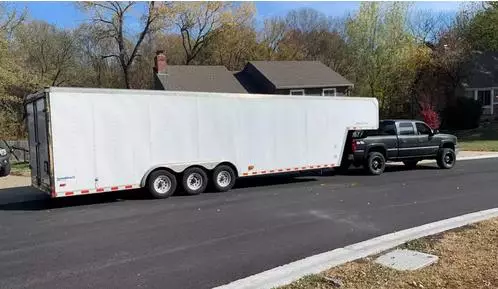
Pulling a gooseneck cargo trailer is a different experience from towing a bumper-pull. The pivot point sits over the truck axle, which gives the rig superior stability and tighter turning, but also creates new clearance and handling considerations that catch first-time gooseneck drivers off guard. This guide covers the practical driving habits that keep an enclosed gooseneck cargo trailer rolling smoothly through tight neighborhoods, long highway hauls, and everything in between.
Why Gooseneck Cargo Trailers Drive Differently
The gooseneck design transfers tongue weight directly into the truck bed, sitting above the rear axle rather than behind it. The result is a more planted feel at highway speed, less tail-wag in gusty wind, and noticeably tighter turning radius compared to a bumper-pull cargo trailer of the same length. The trade-off is taller overall height, more pivot in tight maneuvers, and a sharper learning curve for backing into spots. Drivers coming from a standard cargo trailer setup will appreciate our gooseneck versus traditional flatbed comparison for a deeper look at where this hitch style shines.
Quick Reference: Gooseneck Cargo Trailer Driving Specs
Use the table below to set realistic expectations before the first trip. Numbers are typical ranges for a single-axle to tandem-axle enclosed gooseneck cargo trailer up to 24 feet long.
| Specification | Typical Range | Driving Implication |
| Overall height | 9 to 11.5 ft | Watch for low overpasses, drive-thrus, gas station canopies |
| Cruising speed limit | 60 to 65 mph | Tires are rated for these speeds, exceed at your own risk |
| Recommended following distance | 6 to 8 seconds | Wet roads or downhill grades need more |
| Turn radius gain | Approx 25 percent tighter than bumper-pull | You can take corners earlier than a bumper-pull driver expects |
| Backup pivot point | Truck rear axle | Steering inputs feel different than backing a bumper-pull |
| Crosswind sensitivity | Moderate | Gooseneck design reduces sway; still slow down in strong wind |
Pre-Trip Inspection That Actually Matters
The pre-trip walkaround for a gooseneck cargo trailer takes three or four minutes and prevents the vast majority of roadside incidents. Confirm the gooseneck ball is fully seated and the locking pin is in place. Inspect safety chains crossed under the coupler and rated for the gross trailer weight. Check tires for sidewall cracks and confirm pressure cold. Test running lights, brake lights, and turn signals. Walk the inside of the cargo box to verify load tie-downs are tight and weight is distributed forward of the axles.
How Tongue Weight Distribution Changes Things
Cargo trailers, even enclosed ones, are sensitive to load placement. A gooseneck design forgives more than a bumper-pull, but bad loading still causes sway, axle hop, or premature tire wear. The chart below illustrates the relationship between load placement and trailer stability.
NeighborsTrailer.com
Driving Technique by Situation
Highway Cruising
Set cruise control at 60 to 62 mph for most cargo gooseneck rigs. The taller profile catches crosswinds, so anticipate semi-truck wash and adjust the steering wheel softly rather than jerking. Use the trailer brake controller in heavy traffic to slow the rig from the trailer first, then let the truck engine slow the tow vehicle. This habit prevents nose-dive braking on long descents.
City Streets and Tight Turns
The pivot point on a gooseneck sits above the truck rear axle, which means tighter swept turns. Take corners later than you would in a passenger car, but earlier than you would with a bumper-pull. Watch the driver-side mirror for the trailer wheels tracking the curb. On narrow streets with parked cars, signal early and commit to the turn rather than hesitating mid-corner.
Backing Into a Spot
Backing a gooseneck is more responsive than a bumper-pull. Small steering inputs translate to bigger trailer movements. Place a hand at the bottom of the steering wheel and move that hand in the direction you want the trailer to swing. Take it slow, use a spotter when possible, and remember that the gooseneck pivot allows sharper jackknife angles, which means you must watch the gap between the trailer nose and the truck cab corner closely.
Loading and Unloading
Always block the trailer wheels before unhitching, especially on any slope. The gooseneck design distributes weight onto the truck bed rather than the rear bumper, so unloading without chocks can let the trailer creep when the load shifts. For loading tips that apply to any cargo configuration, our essential safe towing tips for cargo trailers is a great refresher.
Frequently Asked Questions
Do I need a CDL to tow a gooseneck cargo trailer?
Most personal-use gooseneck cargo trailers fall under non-CDL weight thresholds, but it depends on the gross combined weight rating. Always check state-specific rules before driving.
What is the maximum safe speed?
Trailer tires are rated for 65 mph in most cases. Holding 60 to 62 mph keeps tire heat reasonable and gives more reaction time on the highway.
How do I prevent sway?
Load 60 percent of cargo weight ahead of the axles, keep tires properly inflated, and avoid sudden steering inputs. The gooseneck design naturally suppresses sway compared to a bumper-pull.
Can I use the truck bed for cargo while towing a gooseneck?
Yes, but leave room around the gooseneck ball, do not stack items above the cab line, and keep heavy items close to the cab to maintain weight balance.
Closing Thoughts
Driving a gooseneck cargo trailer gets easier within the first hour behind the wheel, and the stability advantages over a bumper-pull become obvious after a single highway trip. Owners renting their gooseneck through Neighbors Trailer earn higher daily rates because of these advantages, and renters benefit from a smoother towing experience. Take it slow on the first trip, run through the pre-trip checklist every time, and the trailer will reward the discipline with years of reliable service.
Related Articles
- Gooseneck Cargo Trailer Rental Guide
- Gooseneck vs Traditional Flatbed Trailer Rental
- Essential Safe Towing Tips With a Cargo Trailer
- Do I Need a CDL License to Tow a Gooseneck
Content updated May 2026