

Everything to Know About a Gooseneck Flatbed Trailer Rental
 Neighbors Trailer
Jun 14, 2023 860 7 min read flatbed trailer rental
When you need to haul heavy equipment, large machinery, or oversized loads, a gooseneck flatbed trailer is one of the most capable tools available. Whether you're a contractor moving a skid steer to a job site, a rancher hauling livestock equipment, or a business transporting industrial machinery, renting a gooseneck flatbed through Neighbors Trailer gives you access to the right trailer without the cost of ownership. This guide covers everything you need to know before you book your rental.
What Is a Gooseneck Flatbed Trailer?
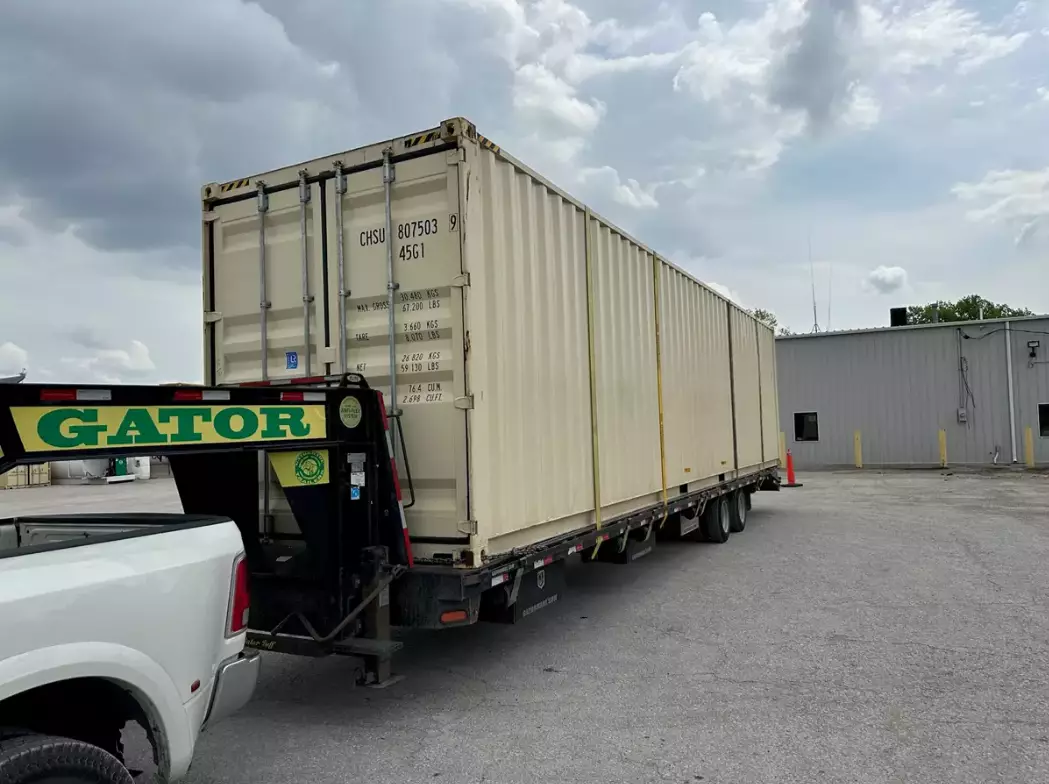
A gooseneck flatbed trailer is a type of flatbed trailer that connects to the tow vehicle via a gooseneck hitch and a ball mount installed in the truck bed rather than at the rear bumper. The trailer's front section curves over the truck bed in a long arched "neck," which is how it got its name.
This design lowers the trailer's center of gravity, distributes weight more evenly, and allows for significantly higher payload capacities compared to bumper-pull flatbeds. Because of this, gooseneck trailers are the go-to choice for anyone hauling loads above 10,000-12,000 pounds.
Gooseneck vs. Bumper-Pull Flatbed: Key Differences
| Feature | Gooseneck Flatbed | Bumper-Pull Flatbed |
| Hitch location | In truck bed (5th wheel ball) | Rear receiver hitch |
| Typical GVWR | 14,000-30,000+ lbs | 7,000-14,000 lbs |
| Typical payload capacity | 10,000-25,000 lbs | 5,000-10,000 lbs |
| Stability at highway speeds | Excellent- lower sway risk | Moderate - more sway risk with heavy loads |
| Required tow vehicle | 3/4-ton or 1-ton pickup truck minimum | 1/2-ton or 3/4-ton pickup truck |
| Best for | Heavy equipment, machinery, large vehicles | Landscaping, light equipment, ATVs |
| Deck height | Lower (18-22 inches) | Higher (24-30 inches) |
Types of Gooseneck Flatbed Trailers
Not all gooseneck flatbeds are the same. When browsing rental listings, you'll encounter several variations:
- Standard Gooseneck Flatbed: A flat, open deck with no sides. Ideal for large equipment, lumber, steel, and machinery.
- Tilt Gooseneck Flatbed: The deck tilts hydraulically or by gravity for easy drive-on/drive-off loading. Great for wheeled equipment like skid steers, tractors, and vehicles.
- Deckover Gooseneck: The deck sits over the wheels rather than between them, giving a wider, unobstructed loading surface. Useful for very wide loads.
- Dovetail Gooseneck: Has a ramped rear section for easy loading of low-clearance equipment.
- Gooseneck with Ramps: Standard gooseneck with folding or slide-out ramps - the most common rental configuration.
Truck Requirements for Towing a Gooseneck Trailer
Because gooseneck trailers can carry loads of 15,000-25,000 lbs, not every pickup is up to the task. Before booking a rental, verify your truck meets these requirements:
- Minimum truck rating: 3/4-ton (e.g., Ford F-250, Ram 2500, GMC Sierra 2500) for lighter goosenecks; 1-ton dually (e.g., Ford F-350, Ram 3500, Chevy Silverado 3500) for heavier loads
- Gooseneck ball: Your truck bed must have a gooseneck ball (typically 2-5/16") installed - this is separate from a 5th wheel setup
- Tow rating: Always confirm your truck's maximum tow rating exceeds the loaded trailer weight
- Brake controller: Required for trailers with electric brakes (most goosenecks above 10,000 lbs GVWR)
Gooseneck Flatbed Trailer Rental: Weight Capacity and Pricing Guide
| Trailer Size | GVWR | Payload Capacity | Deck Length | Typical Daily Rental Rate | Best Use Cases |
| 20 ft Gooseneck | 14,000 lbs | ~10,000 lbs | 20 ft | $90-$140/day | Mini excavators, ATVs, lumber |
| 24 ft Gooseneck | 18,000 lbs | ~13,000 lbs | 24 ft | $120-$170/day | Skid steers, tractors, vehicles |
| 30 ft Gooseneck | 22,000 lbs | ~16,000 lbs | 30 ft | $150-$200/day | Large equipment, excavators |
| 35-40 ft Gooseneck | 25,000-30,000 lbs | ~20,000 lbs | 35-40 ft | $180-$250/day | Heavy construction equipment, vehicles |
Note: Rates are estimates for peer-to-peer rentals through platforms like Neighbors Trailer. Traditional rental yards may charge 30-50% more.
How to Rent a Gooseneck Flatbed on Neighbors Trailer
Renting through Neighbors Trailer is straightforward. The platform connects renters directly with local trailer owners, which typically means lower rates and more flexible availability than traditional rental companies. Here's the process:
- Create a renter account at neighborstrailer.com (renters must be at least 21 years old)
- Search for gooseneck flatbed trailers in your area
- Review the listing details: GVWR, deck length, hitch type, ramp availability
- Message the owner to confirm availability and any specific requirements
- Book and pay securely through the platform
- Inspect the trailer thoroughly at pickup before driving away
Protecting Your Rental with NT Protect
Accidents happen even to experienced operators. When you rent a gooseneck flatbed, NT Protect provides damage coverage so you're not left with an unexpected repair bill. NT Protect is available for just a few dollars per day and includes a $500 deductible - a fraction of what out-of-pocket repairs can cost. Adding NT Protect to your rental is one of the smartest decisions you can make before loading up and hitting the road.
Loading and Safety Tips for Gooseneck Flatbeds
A gooseneck's higher capacity doesn't make it immune to tipping, swaying, or axle overload. Follow these best practices every time:
- Load the heaviest items forward: Place approximately 60% of the load weight ahead of the trailer axles and 40% behind
- Center the load side-to-side: Uneven side-to-side weight causes dangerous sway and can damage axles
- Verify tongue weight: Tongue weight should be 10-15% of total trailer weight for a gooseneck
- Secure your load: Use chains, straps, or binders rated for your load weight - don't mix rating classes
- Check tire pressure: Underinflated tires reduce stability and payload capacity
- Test the brakes: Confirm electric brakes are functioning before leaving the rental location
Frequently Asked Questions
Do I need a CDL to rent a gooseneck flatbed trailer?
In most U.S. states, a standard Class C driver's license is sufficient as long as the combined vehicle weight (truck + loaded trailer) stays under 26,001 lbs. If you're operating above that threshold, CDL requirements may apply depending on your state. Always check your state's specific regulations before your rental.
Can a half-ton pickup tow a gooseneck flatbed?
No. Half-ton trucks (F-150, Ram 1500, Silverado 1500) are not equipped with gooseneck hitch systems and typically can't safely tow the loads for which gooseneck trailers are designed. You need a 3/4-ton or 1-ton truck with a gooseneck ball installed in the bed.
What's the difference between a gooseneck and a 5th wheel trailer?
Both use hitches mounted in the truck bed, but a 5th wheel uses a large kingpin and coupler (like semi trucks), while a gooseneck uses a standard ball hitch. Gooseneck trailers are more common in agricultural and construction rental markets; 5th wheel connections are standard for RVs and semi trailers.
How far in advance should I book a gooseneck flatbed rental?
For weekend or peak-season availability, booking 3-7 days in advance is recommended. During harvest season, construction rush periods, or holiday weekends, popular listings can book up 2-3 weeks out. Weekday rentals are typically easier to secure on short notice.
Is a spotter needed when loading equipment onto a gooseneck?
While not legally required, a spotter is strongly recommended when driving heavy equipment onto a gooseneck's ramps. A second person can monitor clearances, check for ramp movement, and help prevent costly loading accidents.
Conclusion
A gooseneck flatbed trailer rental opens the door to moving heavy equipment efficiently and affordably. By understanding the different trailer types, confirming your truck's tow ratings, loading correctly, and adding NT Protect coverage, you can complete your job safely without the overhead of trailer ownership. Browse available gooseneck flatbeds in your area at neighborstrailer.com and get connected with a local owner today.
Related Articles
- Trailer Safety 101: Heavy Hauling Tips for Large Loads
- How to Prepare Your Truck to Tow a Car Trailer Rental Safely
- Trailer Inspections: What You Need to Know Before Every Rental
- Towing Mistakes to Avoid When Using a Flatbed Trailer Rental
Content Update: This guide was substantially updated in March 2026 with expanded towing safety guidance, improved equipment recommendations, and additional resources to help trailer owners tow safely and confidently.