Essential Features to Look for in an Enclosed Trailer Rental
 Neighbors Trailer
Sep 2, 2023 357 6 min read enclosed trailer renta
Enclosed trailers look simple from the outside, but the right features make a serious difference in how they load, how they tow, and how long they last. Whether you are renting one for a single trip or shopping an entire fleet, knowing what to look for separates a smooth haul from a frustrating one. This guide walks through the features that matter most, how to evaluate them, and which ones are worth paying extra for.
The Core Anatomy of an Enclosed Trailer
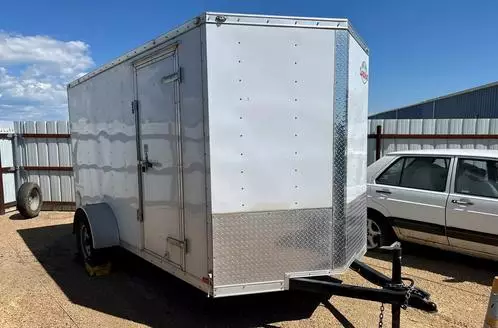
Every enclosed trailer is built around the same basic skeleton: a steel frame, axles with springs or torsion bars, a rigid floor, side walls, a roof, a rear door, and a front nose. The differences come from the materials used, the reinforcement patterns, and the accessories layered on top. Understanding these basics helps you ask better questions before booking.
Features That Directly Affect How You Use the Trailer
Rear Door Style
Two configurations dominate the market: a ramp door that folds down to create a loading ramp, and barn doors that swing open for easy rear access. Ramp doors are standard on car haulers and any trailer that will load rolling cargo. Barn doors suit landscape, catering, and delivery uses where you walk items in by hand.
Side Door
A 32 to 36 inch side door on the curb side transforms how you use the trailer. It lets you grab a tool or a tie-down without opening the main ramp, and it gives riders a safe way to exit at a gas station. Most utility, car hauler, and contractor trailers come with one.
Interior Height
Standard trailers have an interior height of 72 inches, which works for most cars, motorcycles, and ATVs. Extended-height models run 78 to 84 inches and handle lifted trucks, jet skis with canopies, or vendors who need to walk upright inside. Always verify interior height against your tallest load before booking.
Tie-Down Points and E-Track
Factory D-rings welded to the frame are strong but fixed. E-track rails mounted along the floor or walls let you slide tie-down fittings anywhere along the rail, which is gold for loads of different sizes. For loading guidance, see our complete guide to tiedowns.
Structural Features That Affect Durability
| Feature | Economy Build | Premium Build |
| Frame | Light steel, 3" tubing | Heavy steel, 4" tubing or box |
| Floor crossmembers | 24" spacing | 16" spacing |
| Exterior skin | Aluminum, .024" | Aluminum, .030" or screwless |
| Floor material | 3/4" plywood | 3/4" marine-grade or aluminum |
| Axle type | Leaf spring, 3,500 lb | Torsion, 5,200 to 7,000 lb |
| Wall studs | 24" spacing | 16" or reinforced |
The premium build lasts longer, rides smoother, and keeps cargo safer. For heavy or repeat use, the extra investment usually pays back within a season or two. If you are weighing axle configuration specifically, single vs dual axle makes a major difference - our single vs dual axle comparison covers the trade-offs.
Tongue, Hitch, and Coupling Features
The tongue is where the trailer connects to your tow vehicle and where a few features earn their keep on every trip. A jockey wheel, also called a tongue jack, lifts the tongue off the ground so you can couple or uncouple without lifting by hand. Powered versions are standard on trailers over 7,000 pounds GVWR. Learn more in our deep dive on jockey wheels.
The coupler is the bulbous fitting that locks onto your hitch ball. Most standard enclosed trailers use 2 inch or 2 5/16 inch couplers. Matching it to your ball size is non-negotiable; using the wrong size can cause the trailer to disconnect at highway speeds.
Safety chains are the backup if the coupler fails. Two chains, crossed under the tongue, keep the trailer attached even if the ball releases.
Electrical and Lighting Features
All road-legal enclosed trailers have tail lights, brake lights, and turn signals. The better ones add LED markers, interior dome lights, a 12-volt outlet, and wall switches. Electric brakes on both axles are standard on trailers over 3,000 pounds and require a compatible brake controller in the tow vehicle.
How Features Rank by Value on a Typical Rental
The chart below shows how often renters report each feature as mattering most in post-trip surveys.
NeighborsTrailer.com
Features Worth Paying More For
If the rental offers optional extras, three earn their keep almost every time: E-track rails for flexible tie-down points, LED interior lighting for early starts and late unloads, and a side door for quick access without lowering the ramp. Heated or insulated models are niche upgrades that matter for vendors and photographers but rarely for general hauling.
Frequently Asked Questions
What interior height should I look for in an enclosed trailer?
Standard is 72 inches and handles most cars, ATVs, and motorcycles. If you are hauling a lifted truck, a UTV with a roof, or anything with a cab taller than six feet, look for 78 or 84 inch extended height.
Do I need a ramp door or barn doors?
Ramp doors are essential for rolling cargo like cars, bikes, mowers, and equipment. Barn doors are better for hand-loaded goods, furniture, or stand-up cargo where a ramp would be in the way.
How much weight can an enclosed trailer carry?
Payload ranges from about 2,000 pounds on a single-axle 12 foot trailer to 10,000 pounds or more on a tandem-axle 24 foot model. Always check the trailer's GVWR minus its empty weight to find your true payload.
Are torsion axles really worth the upgrade?
Torsion axles ride smoother, require no maintenance, and handle uneven terrain better than leaf springs. For frequent haulers and rough-road users, yes. For occasional light use, leaf springs are still fine.
What features should I check before driving off the lot?
Lights functional, tires inflated, coupler latched, safety chains attached, brake controller tested, and interior load secured with rated tie-downs.
Bottom Line
The difference between a mediocre enclosed trailer rental and a great one comes down to features. Match rear door style to your cargo, verify interior height before booking, look for E-track and proper tie-down points, and make sure the tongue hardware and lighting are solid. Spend a few extra minutes evaluating features upfront and you will save yourself hours of frustration on the road.
Related Articles
- Beginner's Guide to Choosing the Best Enclosed Trailer Rental
- Single vs Dual Axle Enclosed Trailer Rental
- The Vital Role of the Jockey Wheel on an Enclosed Trailer
- Enclosed Trailer Rental Restoration Guide
Content updated April 2026