

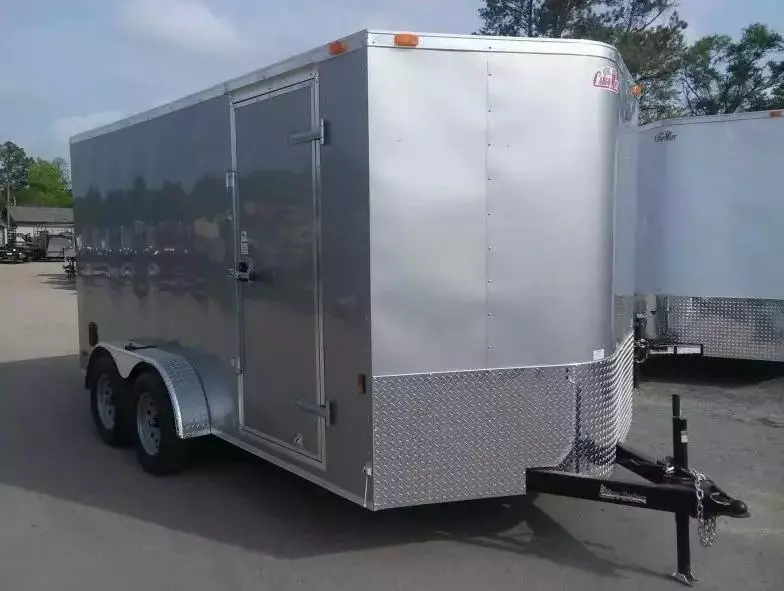
The 5 Best Tow Mirrors for Towing an Enclosed Trailer Rental
 Neighbors Trailer
Dec 22, 2023 793 5 min read
An enclosed trailer is a magnet for blind spots. The walls block your factory side mirrors so completely that lane changes on the highway turn into educated guesses. Tow mirrors fix that problem, but only if you know what to buy, how to fit them, and what features actually matter once you are on the road. This refreshed guide walks through the practical decisions you should make before you spend money.
Why Factory Mirrors Are Not Enough
Most pickups come with side mirrors sized for the truck, not for a trailer hanging off the back. A typical 7-foot-wide enclosed trailer will hide cars, lane markers, and curbs from your view if you only use the stock glass. Tow mirrors extend outward, replace or clip over the factory housing, and add field of view on both sides. That extra few inches translates into seeing the rear corner of the trailer, which is the single most important sightline when changing lanes or backing into a tight space.
The Three Categories of Tow Mirrors
Tow mirrors break down into three families. Each has a price range, an install profile, and a use case.
| Mirror Type | Typical Price | Install Time | Best For |
| Clip-on / Slide-on | $40 to $90 | 5 minutes per side | Occasional tow, rental trailer days |
| Strap-mount extender | $60 to $130 | 10 minutes per side | Frequent towers with stock mirrors |
| Replacement OE tow mirror | $300 to $800 per pair | 1 to 2 hours | Daily towing, work truck |
Features That Actually Matter
Marketing pages list a long menu of features. Only a few make a real difference once you are towing.
- Telescoping arms. The mirror should extend at least 4 inches past the trailer width.
- Convex spotter glass. A small wide-angle insert in the lower corner catches the cars in your blind spot.
- Heating. A defrost element earns its price the first cold morning of the year.
- Power adjustment. Manual mirrors are fine, but stopping to adjust on the shoulder gets old quickly.
- Integrated turn signals. Useful safety upgrade, especially when towing in heavy traffic.
- Vibration damping. Cheap mirrors shake at highway speed, which makes them useless. Look for solid mounting bases and stiff arms.
How Much Visibility Tow Mirrors Add
Field-of-view tests by towing magazines show real gains when tow mirrors are installed correctly. The chart below summarizes typical results for a half-ton pickup towing an 8.5-foot-wide enclosed trailer.
NeighborsTrailer.com
Even cheap clip-on extenders nearly double the visible angle behind the trailer compared to factory mirrors. That difference is the gap between guessing during a lane change and actually seeing the truck closing on you from the right rear.
Picking the Right Mirror by How Often You Tow
If You Tow Once a Month
Clip-on extenders are the right answer. They install in minutes, fit a wide range of stock mirror housings, and pop off when you are not towing. The downside is some vibration at speed and a smaller heated/turn-signal feature set.
If You Tow Most Weekends
A strap-mount extender or a quality clip-on with vibration dampers is the sweet spot. You get the extended view without committing to a full replacement housing. Many of these work with the heated/power features of your factory mirror because they sit over it instead of replacing it.
If You Tow Daily
Replacement OE-style tow mirrors are the best long-term investment. They look factory, integrate with your truck's wiring for heat, power, and turn signals, and provide the widest, most stable field of view. Expect a real installation, including running wiring through the door boots.
Installation and Setup
- Park on flat ground with the trailer hitched in a straight line behind the truck.
- Install the mirrors per manufacturer instructions. Hand-tighten clip-on units; do not overtighten and crack the factory housing.
- Sit in the driver's seat and adjust each mirror so you see a sliver of the side of the trailer at the inside edge of the glass. The trailer is your reference point.
- Aim the convex spotter mirror at the road surface a lane-and-a-half over.
- Test at low speed before highway driving. Tow mirrors should not vibrate or buzz.
Common Mistakes Owners Make
- Buying a tow mirror that is too short for the trailer. Always measure the trailer width and pick a mirror that extends past it.
- Skipping vibration damping. A blurry, shaky mirror is worse than no mirror.
- Forgetting to readjust mirrors for different loads. A loaded trailer sits lower; your aim shifts with it.
- Leaving extenders on when the trailer is detached. Most clip-ons are illegal as everyday mirrors due to width and aim regulations.
For Renters and Listing Owners
If you book an enclosed trailer rental on a peer-to-peer marketplace, ask the owner whether they have tow mirrors or recommend a clip-on set you can pick up beforehand. If you list an enclosed trailer, a $50 set of clip-on extenders kept with the trailer is a low-cost upgrade that protects renters' first miles on the road. It also reduces the chance of damage claims caused by tight visibility during merging and parking. Combined with a clear walkaround at pickup, it is one of the most useful safety habits you can build into a listing.
Related Articles
- Enclosed Trailer Rental Features
- How to Prepare Your Truck to Tow Safely
- Ultimate Trailer Towing Safety Guide
- Towing Mistakes to Avoid When Using a Trailer Rental
Content updated May 2026