

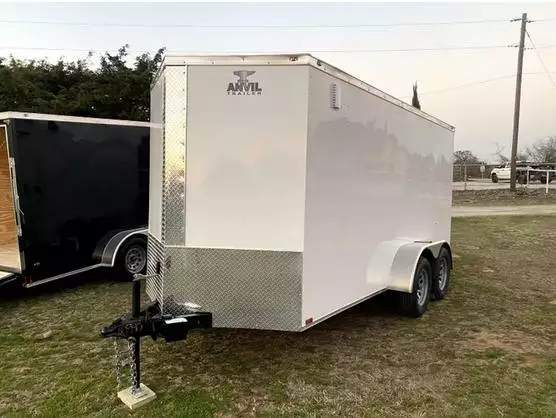
Laws Related to Towing a Trailer in California
 Neighbors Trailer
Oct 6, 2023 5733 8 min read trailer towing laws in californ
California is one of the strictest states in the country when it comes to enforcing towing rules. The good news is that the rules themselves are not complicated. Once you know the speed limits, the lane restrictions, the license thresholds, and the weight limits, you can rent a cargo trailer in California and stay completely on the right side of the law from pickup to drop-off. This 2026 guide walks you through everything a renter or owner needs to know to tow a cargo trailer legally on California roads.
Whether you are moving across Los Angeles, hauling supplies between job sites in the Bay Area, or driving Highway 5 from San Diego to Sacramento, the same core set of regulations applies. Knowing them in advance prevents tickets, prevents accidents, and keeps your rental experience smooth.
The Five California Towing Rules That Trip Up Most Renters
If you only remember five things from this guide, make it these. They cover the issues that California Highway Patrol officers cite most often when stopping drivers who are towing trailers.
| Rule | What It Says | Why It Matters |
| 55 mph max speed when towing | You may not exceed 55 mph anywhere in California while pulling any trailer | Applies even when posted limits are 65 or 70 mph |
| Right two lanes only on multi-lane freeways | Vehicles with trailers must stay in the right two lanes where signs require it | Cited frequently on I-5, I-80, and I-405 |
| Trailer brakes for GVWR over 1,500 lbs | Brakes required on any trailer with a gross weight rating above 1,500 lbs | Most cargo trailers fall above this threshold |
| Standard Class C license up to 10,000 lbs trailer GVWR | Non-commercial Class C covers single trailers up to 10,000 lbs gross weight | Above that, a Class A non-commercial license may be required |
| Maximum trailer width of 8 feet 6 inches | No oversize permit required up to this width | Most consumer cargo trailers are at or under this limit |
Each of these has nuance, and the rest of this guide breaks them down so you know exactly how to comply.
Speed Limits and Lane Restrictions
California Vehicle Code sets a maximum speed of 55 mph for any vehicle towing a trailer, regardless of the posted limit on the road. Highway Patrol enforces this aggressively on stretches of I-5, I-15, I-40, and I-80 where the posted limit for cars is 70 mph. Setting cruise control at 55 is the safest move on long hauls. It also reduces sway, improves fuel economy, and gives you more reaction time if traffic stops suddenly.
On highways with three or more lanes in your direction, signs may require trucks and vehicles with trailers to stay in the right two lanes. The rule shows up on coastal routes, in mountain passes, and on most major interstates. Plan your trip so passing is brief and you return to the right lanes immediately.
Driver License Requirements
For a typical cargo trailer rental in California, your standard non-commercial Class C driver license is enough as long as the trailer's gross vehicle weight rating stays under 10,000 pounds. Most consumer cargo trailers (5x8, 6x12, 7x14, even 8.5x16 enclosed) sit comfortably under that threshold.
If the rental crosses into bigger territory (a 24-foot enclosed cargo trailer or a fifth-wheel above 10,000 pounds GVWR), you may need a non-commercial Class A license. Pure commercial use (hauling for hire or operating above 26,000 pounds combined weight) requires a CDL. Always confirm the trailer's GVWR sticker before booking and match it to your license class.
Brake, Light, and Equipment Requirements
California requires brakes on any trailer with a gross weight rating above 1,500 pounds. Almost every cargo trailer on a peer-to-peer platform falls above this threshold, which is why every reputable rental comes equipped with electric or surge brakes plus a properly wired controller in the tow vehicle. Confirm the controller is functioning before you leave the pickup point.
Trailer lights must include working brake lights, turn signals, side marker lights, and a license plate light. Walk around the trailer with the renter or owner before you leave and physically verify each light works while a helper presses the brake or activates a signal. A two-minute check prevents a roadside ticket.
Safety chains crossed in an X pattern under the coupler are mandatory. Many California renters also tow with a breakaway switch wired to a small battery on the trailer, which is required on any trailer with electric brakes. Reviewing the basics of safe towing with a cargo trailer rental before your first trip is well worth the time.
Weight, Width, Height, and Length Limits
For combinations under California's standard limits, you do not need a special permit. The thresholds to know are roughly:
Maximum trailer width: 8 feet 6 inches. Maximum trailer height: 14 feet (most consumer cargo trailers are far below this). Maximum single-trailer length: 40 feet, with a combined truck-and-trailer length up to 65 feet on most highways. Gross combined weight under 26,000 pounds keeps you in non-commercial license territory.
If your booked trailer plus tow vehicle pushes any of these limits, plan an alternate route that avoids weight-restricted bridges and check whether your destination city has additional local rules. Coastal Highway 1 and several mountain passes have specific length and weight bans posted at the entry points.
How California Stacks Up on Towing Speed
To put California's 55 mph trailer limit in perspective, here is how it compares to the trailer towing speed limits in four other large Western states for 2026:
NeighborsTrailer.com
If you are crossing into California from a neighboring state, dropping back to 55 mph as soon as you cross the state line is the simplest way to stay legal.
Insurance and Coverage on California Roads
California requires minimum liability insurance on the tow vehicle. Cargo trailers themselves are typically covered as an extension of the tow vehicle's policy for liability, but physical damage to the trailer is usually not. That gap is exactly what NT Protect closes on every Neighbors Trailer rental.
NT Protect is automatically included in every booking, costs only a few dollars per day, and is charged to the renter at checkout. It applies to both the renter and the owner during the rental window, with a deductible if a claim is filed. There is no separate sign-up, no upgrade box, and no opt-out. That built-in coverage is one of the reasons cargo trailer rentals on the platform can be priced reasonably while still protecting both parties on California's busy roads. The same coverage logic applies to cargo trailer safety best practices overall.
Pre-Trip Checklist Before You Roll
Run through this short checklist before you pull out of the rental owner's driveway:
Confirm the trailer's GVWR and verify your tow vehicle is rated to handle it (with at least a 15 percent buffer). Verify safety chains are crossed under the coupler. Test all lights with a helper standing behind the trailer. Test the brake controller by gently activating it from the tow vehicle. Check tire pressure and visually inspect tread on all trailer tires. Confirm your driver license class matches the trailer's GVWR. Snap photos of the trailer from all four sides and any existing scratches or dents for documentation. If you are also prepping a truck for towing, the same pre-trip principles apply.
This 10-minute routine catches the issues that turn into tickets or roadside problems later.
Frequently Asked Questions
What is the maximum towing speed in California?
55 mph anywhere in California, regardless of the posted speed limit on the road. This applies to any vehicle pulling a trailer.
Do I need a special license to rent a cargo trailer in California?
For most consumer cargo trailers under 10,000 pounds GVWR, your standard non-commercial Class C driver license is enough. Above that, a non-commercial Class A may be required. Commercial use or combined weights above 26,000 pounds require a CDL.
Do I need trailer brakes on my rental?
California requires brakes on any trailer with a gross weight rating above 1,500 pounds, which covers almost every cargo trailer rental on the platform. Confirm the brake controller is wired and functioning in your tow vehicle before pickup.
Is NT Protect required for California rentals?
NT Protect is automatically included in every booking on Neighbors Trailer, including all California rentals. The renter is charged a few dollars per day at checkout and both renter and owner are covered during the rental window. There is no opt-out and nothing extra to sign up for.
Are there special rules for towing in mountain or coastal areas?
Yes. Some mountain passes and stretches of Highway 1 along the coast post specific length, weight, or trailer-type restrictions at the entry points. Check Caltrans advisories before any trip into the Sierra Nevada in winter or onto narrow coastal routes.
The Bottom Line
California's towing rules are stricter than most states, but they are also simple to follow once you know them. Stay at 55 mph, keep right on multi-lane freeways, match your license class to the trailer's GVWR, verify brakes and lights at pickup, and let NT Protect handle the coverage. Do those five things and your California cargo trailer rental will be a smooth, ticket-free trip from start to finish.
Related Articles
- Essential Safe Towing Tips With a Cargo Trailer Rental
- Cargo Trailer Rental Safety
- Uses for a Cargo Trailer Rental
- Maximize Returns: Invest in the Right Cargo Trailer Rental
Content updated April 2026