Maximize Returns & Invest in the Right Cargo Trailer Rental
 Neighbors Trailer
Jun 26, 2023 905 7 min read cargo trailer rental
Whether you're a small business owner, a freelance contractor, or an individual with a large haul, choosing the right cargo trailer rental can mean the difference between a smooth, profitable job and an expensive, frustrating one. Renting the wrong trailer—one that's too small, too large, or the wrong configuration—wastes money, risks damage to your cargo, and can even create towing hazards.
This guide breaks down how to evaluate cargo trailer options, match trailer specs to your actual load, and make every rental dollar work harder. If you're renting through a peer-to-peer platform like Neighborstrailer.com, you have access to a wide variety of trailer types at competitive rates—but only if you know what you're looking for.
What Is a "Cargo Trailer" and What Types Are Available?
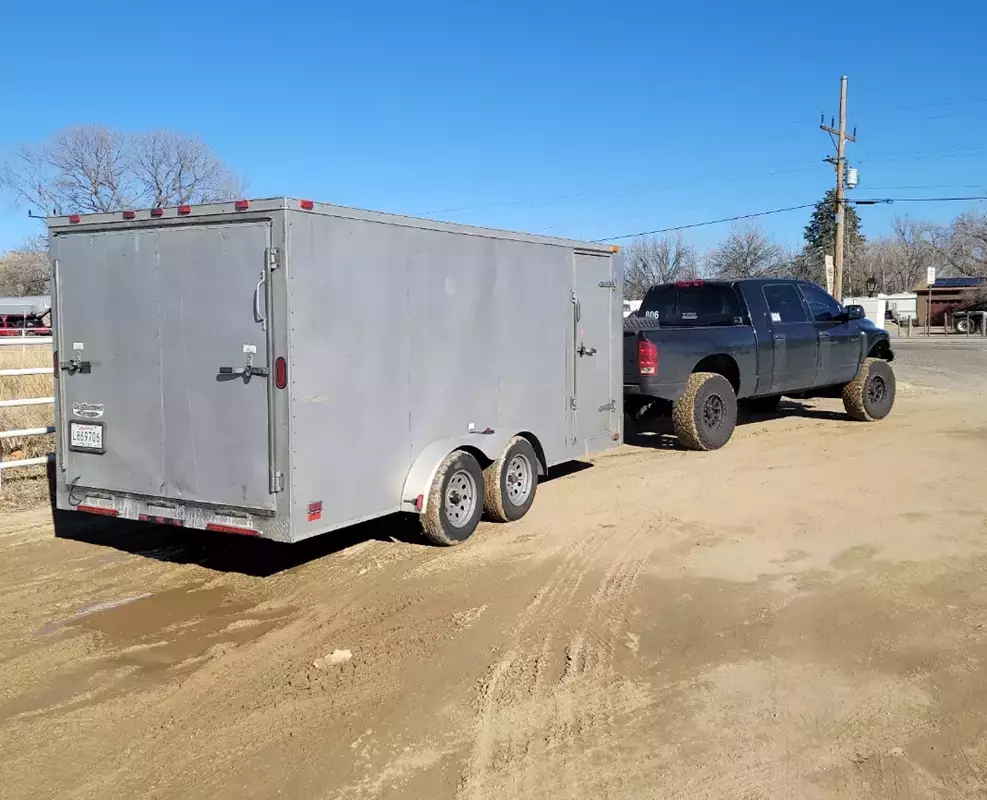
The term "cargo trailer" is broad. It refers to any trailer designed to transport goods rather than vehicles, equipment, or raw materials. In practice, the category includes enclosed cargo trailers, open utility trailers, flatbed trailers, and specialty configurations. Each serves a different use case, and selecting the right type is the first step in maximizing your return on rental spend.
| Trailer Type | Best For | Typical Interior Size | Typical Payload Capacity | Weather Protection |
| Enclosed Cargo Trailer | Furniture, appliances, electronics, tools, event equipment | 5x8 to 8.5x24 ft | 2,000–7,000 lbs | Full protection |
| Open Utility Trailer | Landscaping supplies, lumber, ATVs, outdoor equipment | 4x7 to 6x12 ft | 1,500–3,500 lbs | None—cargo is exposed |
| Flatbed Trailer | Large machinery, pallets, building materials, oversized loads | 16–40 ft deck | 5,000–20,000+ lbs | None—tarping required |
| Gooseneck Cargo Trailer | Heavy commercial loads, long-haul freight, dual-axle loads | 20–40 ft | 15,000–30,000 lbs | Varies by configuration |
| Cargo Van Trailer (hybrid) | Small business deliveries, urban moves | 5x8 to 6x12 ft | 1,800–3,000 lbs | Full protection |
Matching the Trailer to Your Load: The Key Variables
The most common mistake renters make is selecting a trailer based on interior dimensions alone without accounting for weight. A trailer that physically fits your cargo may still be overloaded if the total weight exceeds the trailer's Gross Vehicle Weight Rating (GVWR). Overloading a trailer is dangerous, illegal in most states, and can void any protection coverage.
Here are the four numbers you must know before booking:
- GVWR (Gross Vehicle Weight Rating): The maximum allowable weight of the trailer plus its cargo. Never exceed this figure.
- Payload Capacity: GVWR minus the trailer's empty weight. This is how much cargo you can actually carry.
- Tongue Weight: The downward force on your hitch. It should be 10–15% of total trailer weight. Too little causes sway; too much strains your tow vehicle.
- Tow Vehicle Rating: Your truck or SUV has a maximum tow rating. The loaded trailer must never exceed it.
Cost Comparison: Peer-to-Peer Rental vs. Traditional Options
One of the clearest advantages of renting through Neighborstrailer.com is cost. Traditional rental companies carry overhead that gets passed to the renter. Peer-to-peer rentals cut out that overhead entirely, putting both the renter and the trailer owner in a better financial position.
| Option | Typical Daily Rate (5x8 Enclosed) | Typical Daily Rate (16 ft Flatbed) | Insurance / Protection | Booking Flexibility |
| Neighbors Trailer (peer-to-peer) | $35–$65/day | $55–$95/day | NT Protect: $9–$11/day, $500 deductible | High—book by the day |
| U-Haul / Penske (traditional) | $19–$39/day + mileage + fuel | $69–$129/day + fees | Included at higher tiers or add-on | Moderate—location-dependent |
| Home Depot / Sunbelt (equipment rental) | $29–$49/day | $79–$149/day | Often limited; damage waiver add-on | Low—limited inventory and hours |
| Hire a freight/delivery service | $150–$500+ depending on load and distance | $250–$800+ | Carrier liability only | Low—schedule-dependent |
NT Protect adds just a few dollars per day to your rental and provides peace of mind against unexpected damage during the rental period, with a $500 deductible.
How to Maximize Your Return on a Cargo Trailer Rental
1. Right-Size Your Rental
Booking a trailer that's too large wastes money and creates handling challenges—a lightly loaded large trailer is harder to control than a properly loaded smaller one. Calculate your cubic footage and weight requirements before browsing listings. Use the table above as a starting reference.
2. Optimize Load Distribution
Place the heaviest items over the axle(s) and toward the front of the trailer. Distribute weight evenly side-to-side. Proper weight distribution reduces sway, protects your tow vehicle, and makes the trip safer and more fuel-efficient. For enclosed trailers, use straps or cargo nets to prevent load shift during transit.
3. Plan Your Route in Advance
Know your clearances if you're renting a tall enclosed trailer. Understand weight limits on any roads or bridges you'll cross with a heavy load. Avoid tight turns and low-clearance structures. A little route planning before departure saves significant time and stress mid-trip.
4. Book Early for Best Selection
The most-requested trailer sizes (6x12 enclosed, 16-ft flatbed) book up quickly on weekends and around major holidays. If you know your project date, book 5–7 days in advance to secure your preferred trailer at the best rate.
5. Inspect the Trailer Before Loading
Walk around the trailer before attaching it. Check tires, lights, safety chains, the hitch coupler, and the trailer floor. Document any pre-existing damage with photos. This protects both you and the owner and ensures a smooth return process.
When to Choose an Enclosed Trailer vs. an Open Flatbed
For cargo that includes finished goods, electronics, tools, or anything sensitive to weather and theft, an enclosed trailer is almost always the right choice. The small additional cost compared to an open trailer is justified by the protection and security. Open flatbeds are better suited for raw materials, large machinery that won't fit inside an enclosed unit, or loads where loading from the sides or top is necessary. When in doubt, enclosed is the safer default for general cargo.
Frequently Asked Questions
What size cargo trailer do I need for a one-bedroom move?
A 5x8 or 6x12 enclosed cargo trailer is typically sufficient for a studio or one-bedroom apartment with standard furnishings. For a two-bedroom home, plan on a 6x14 or larger. Always err slightly larger if you're unsure—it's better to have unused space than a second trip.
Can I use a cargo trailer for commercial deliveries?
Yes, many small business owners rent cargo trailers specifically for commercial deliveries. Confirm with the trailer owner that commercial use is permitted in the listing, and ensure your load stays within the trailer's payload rating.
How do I know if my truck can tow the cargo trailer I want to rent?
Check your truck's owner manual or door jamb sticker for the tow rating. Then compare it to the loaded weight of the trailer (trailer empty weight + your cargo weight). The loaded trailer must be under your truck's tow rating. Also check that you have the correct hitch class for the trailer's coupler size.
Can I return the trailer early and get a partial refund?
This depends on the individual owner's listing terms. Many owners on Neighbors Trailer are flexible, especially when notified in advance. Check the listing's cancellation and return policy before booking.
Conclusion
Maximizing returns on a cargo trailer rental starts with understanding what you need to haul, matching the trailer type and size to that load, and booking at competitive peer-to-peer rates rather than defaulting to traditional rental companies. The savings are real—and when you add NT Protect to your rental, you're covered for the unexpected at a fraction of what other protection plans cost.
Browse available cargo trailers in your area at Neighborstrailer.com and book the right trailer for your next move, delivery, or haul.
Related Articles
- Learn Essential Safe Towing Tips With a Cargo Trailer Rental
- Turn Your Idle Trailer Into a Money-Making Side Hustle in 2026
- Tariffs Are Driving Trailer Prices Up in 2026 — Why a Peer-to-Peer Trailer Rental Is the Smartest Move
- How Much Does It Cost to Rent a Trailer in 2026? The Complete Price Guide
Content Update: This guide was substantially updated in March 2026 with expanded towing safety guidance, improved equipment recommendations, and additional resources to help trailer owners tow safely and confidently.