Why Renting a Car Trailer Makes Sense
 Neighbors Trailer
Oct 2, 2023 306 9 min read car trailer ren
Moving a vehicle from one place to another when you cannot drive it is one of those problems most car owners face at least once. Maybe you bought a project car three states away, you are relocating, you have a classic that should not pile on miles, or your daily driver is sitting in a friend's driveway after a breakdown. Whatever the reason, you need a way to move that car safely and without draining your bank account. Renting a car trailer is almost always the smartest answer.
This guide explains why a car trailer rental beats the alternatives, what it actually costs, the trailer types you can choose from, and how to plan a trip that goes off without a hitch. By the end you will know exactly how to get your vehicle from point A to point B with confidence.
Why a Car Trailer Rental Beats the Alternatives
When you need to move a vehicle, you really have four options: driving it yourself, hiring a professional auto transport company, using a tow dolly, or renting a car trailer and towing it. Each has trade-offs, but for the average owner moving a single vehicle, a car trailer wins on cost, control, and predictability.
Driving the car burns fuel, adds wear, and is impossible if the vehicle is not roadworthy. Professional auto transport runs $600 to $1,800 for most trips and locks you into someone else's schedule, sometimes with a multi-day pickup window. A tow dolly only lifts the front wheels, which rules out all-wheel-drive vehicles and is rough on transmissions over long distances. A car trailer keeps all four wheels off the road, works with any vehicle that fits, and lets you leave on your timeline.
Cost Comparison at a Glance
Here is how the four options stack up on a typical 500-mile move with a midsize sedan, based on average 2026 marketplace pricing:
| Method | Typical Total Cost | Time to Arrange | Best For |
| Driving it yourself | $120 fuel + wear | Same day | Roadworthy daily drivers |
| Professional auto transport | $600 to $1,800 | 3 to 10 days | Long-distance, hands-off moves |
| Tow dolly rental | $80 to $180 | Same day | Front-wheel-drive only, short trips |
| Car trailer rental | $200 to $450 | Same day | Any vehicle, full control |
The car trailer route lands in the sweet spot. You pay a fraction of professional transport, you can leave when you want, and you get to handle your own vehicle the entire way.
Choosing the Right Type of Car Trailer
Not every car trailer is the same. Picking the right style for your vehicle and route saves money and headaches. Our car hauler calculator matches a deck size and weight rating to the vehicle you are moving. The three main options are open utility car haulers, enclosed trailers, and low-profile or hydraulic tilt trailers.
Open Car Haulers
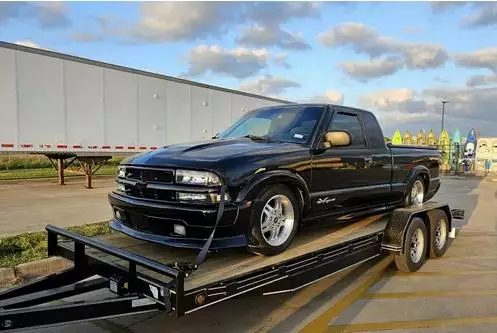
These are the most common and the most affordable. They feature a flat deck with side rails, ramps, and tie-down points. Open haulers work for sedans, trucks, SUVs, and most modified vehicles. Expect to pay $90 to $150 per day on a peer-to-peer marketplace. If you are new to towing a vehicle, take a few minutes to read up on how to prepare your truck for towing before you head out.
Enclosed Trailers
Enclosed trailers protect against weather, road debris, and curious eyes. They are the right call for classics, show cars, restorations, or any vehicle where paint and finish matter. Daily rates run $150 to $300, and the secured interior gives you peace of mind on long trips. Securing the load properly is critical inside an enclosed unit, so review the basics of tiedowns and cargo security before loading.
Low-Profile and Hydraulic Tilt Trailers
For sports cars, lowered vehicles, exotics, or anything with under five inches of ground clearance, a standard ramp angle is too steep. A low-profile or hydraulic tilt trailer drops the deck close to the ground and either tilts the bed or uses a longer, gentler ramp. These run $175 to $325 per day and prevent the bumper scrape that ruins fiberglass and aero panels.
What It Really Costs to Rent and Tow
The headline daily rate is only part of the picture. A complete car trailer trip on Neighbors Trailer breaks down something like this for a typical two-day, 500-mile out-and-back:
NeighborsTrailer.com
Total expected outlay for that trip: about $420. Compare that with $1,000-plus for professional transport on the same route, and the value of doing it yourself becomes obvious. NT Protect is built into every booking automatically, runs only a few dollars per day, and gives both renter and owner real coverage if something goes wrong on the trip.
Picking the Right Tow Vehicle
The single biggest mistake first-time car trailer renters make is underestimating their tow vehicle. A loaded car trailer with a midsize sedan on top can easily weigh 5,500 to 7,500 pounds. Your truck or SUV needs both the towing capacity and the right hitch class to handle that weight safely.
Look up your vehicle's tow rating in the owner's manual or on the manufacturer's site, then subtract the tongue weight of the loaded trailer (usually 10 to 15 percent of total weight) from your gross combined weight rating. If your tow vehicle is borderline, step up to a heavier trailer-and-truck combo or rent a different car trailer that is lighter when empty. A beginner's guide to choosing the right car trailer can walk you through the math step by step.
Loading and Securing the Vehicle
Once you have the right trailer and tow vehicle, the loading process matters more than most people realize. Here is the short version:
Park the trailer on level ground, drop the ramps, and confirm the trailer is hooked and chained to the tow vehicle so it does not move during loading. Drive the vehicle on slowly, position it so 60 percent of the weight sits on or just ahead of the trailer's axles, set the parking brake, and put it in gear or park. Our weight distribution planner helps you nail that placement for stable towing. Use four ratchet straps rated for at least 10,000 pounds combined, anchored to the wheels rather than the chassis, and tighten them in a crossing pattern.
Before you pull away, walk around the rig one full time. Check straps, lights, tires, hitch coupler, and safety chains. A two-minute walk-around prevents 90 percent of the problems that show up on the highway.
Why a Peer-to-Peer Rental Is the Best Way to Book
Big national rental chains keep car trailers at limited locations, charge premium daily rates, and rarely have low-profile or enclosed units in stock. A peer-to-peer marketplace like Neighbors Trailer connects you with private owners in your area who already have the exact trailer you need sitting in their driveway. You typically pay 20 to 40 percent less, you get more trailer options to choose from, and pickup is usually within a few miles of home.
Every booking on Neighbors Trailer includes NT Protect at the time of checkout, which adds a few dollars per day to the rental and provides coverage for both the renter and the owner during the trip. There is no separate sign-up, no upgrade option, and no add-on to tick. It is simply included in every rental, which means you can leave the parking lot knowing the trailer is covered.
Frequently Asked Questions
Do I need a special license to tow a car trailer?
For personal use in the United States, a regular driver's license covers you in most states up to a combined weight of 26,000 pounds. Commercial use, weights above that threshold, or certain state-specific rules can require a CDL. Always confirm your state's exact rules before towing.
How big a truck do I need?
For a typical sedan or compact SUV on a steel car hauler, a half-ton pickup or large SUV with a tow rating of at least 8,000 pounds is comfortable. For full-size trucks, lifted vehicles, or enclosed trailers, step up to a three-quarter-ton truck. Never tow at the absolute upper limit of your vehicle's rating.
Is insurance included when I rent a car trailer through Neighbors Trailer?
Yes. NT Protect is automatically included in every booking and is charged to the renter at checkout. The cost is only a few dollars per day, with a $500 deductible if a claim is needed. There is nothing extra to sign up for.
What happens if the trailer gets damaged during my rental?
Document everything with photos at pickup and return, then notify the trailer owner. Because NT Protect is included on every booking, the claims process is handled by the platform rather than the two parties having to negotiate directly.
How far in advance should I book?
For weekday trips, 48 to 72 hours is usually fine. For weekends, holiday weeks, and the spring and fall moving seasons, book at least one to two weeks out, since car trailers are the most-requested category on most marketplaces.
The Bottom Line
If you are moving a vehicle and want to keep costs reasonable while staying in control of the timeline, renting a car trailer is the right call almost every time. Pick the trailer type that matches your vehicle, line up a tow vehicle with the right capacity, take a few minutes to load and strap it correctly, and you can be on the road by the end of the day. With NT Protect built into every booking and thousands of trailers on the Neighbors Trailer marketplace, the path from "I need to move this car" to "the car is in the new driveway" has never been shorter.
Related Articles
- A Beginner's Guide to Choosing the Right Car Trailer Rental
- How to Choose the Right Car Trailer Rental for Your Needs
- How to Prepare Your Truck to Tow a Car Trailer Rental Safely
- A Complete Guide to Tiedowns to Secure Your Cargo in an Enclosed Trailer Rental
Content updated April 2026