The Benefits of Owning a Multi-Purpose Utility Trailer
 Neighbors Trailer
Sep 13, 2023 518 10 min read utility trailer g
Content updated April 2026.
A utility trailer is one of the most practical investments you can make, whether you are a homeowner tackling weekend projects, a contractor moving materials between job sites, or a small business owner looking to cut transportation costs. These open-bed trailers are built for versatility, handling everything from lumber and landscaping supplies to ATVs, furniture, and bulk equipment. Unlike specialized trailers that serve a single purpose, a multipurpose utility trailer adapts to whatever task is in front of you.
If you have been weighing the pros and cons of buying or renting a utility trailer, this guide breaks down exactly why these trailers have become the go-to choice for millions of Americans. From cost savings and convenience to payload versatility and resale value, the benefits are significant and well-documented.
What Makes a Utility Trailer Multipurpose
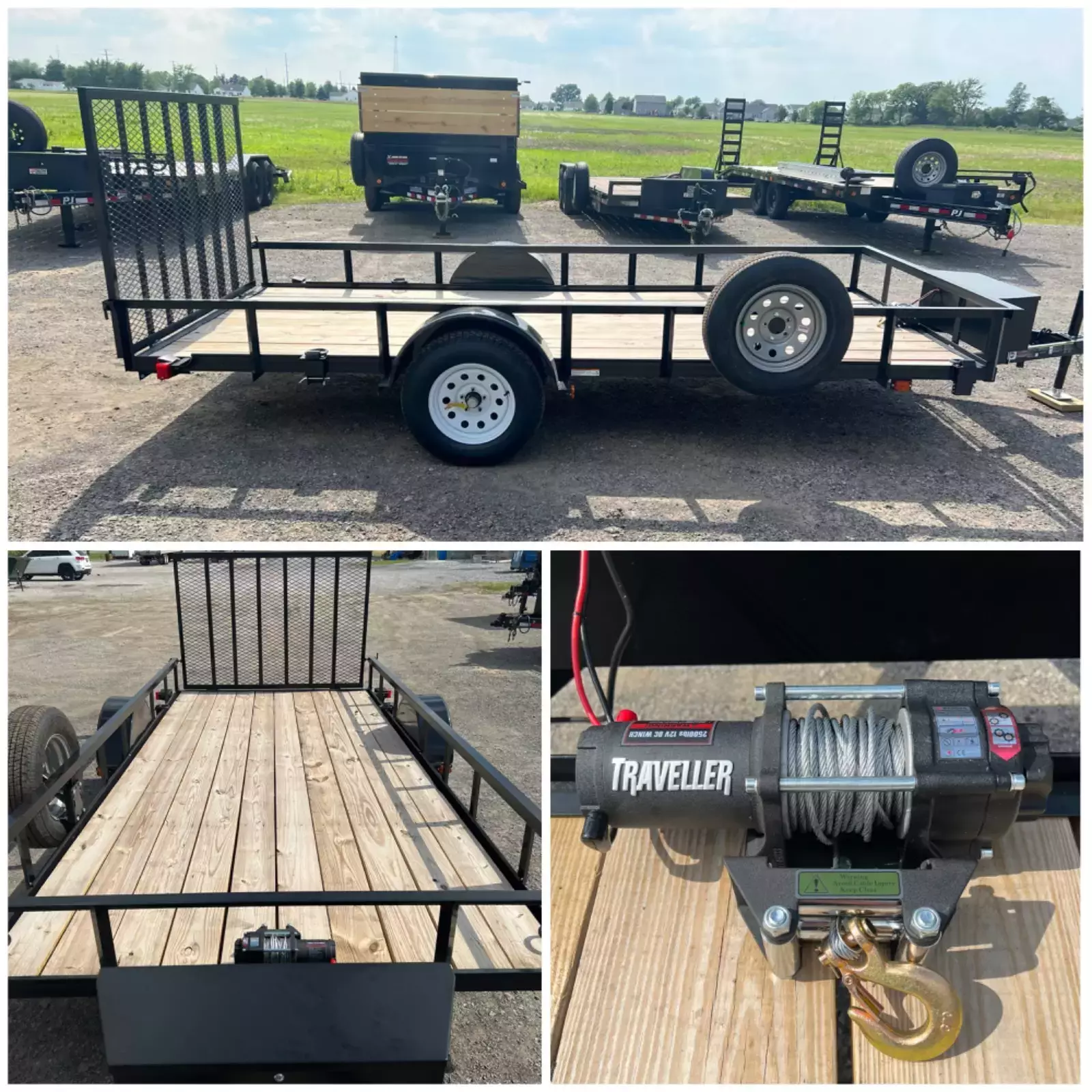
A utility trailer earns the label "multipurpose" because of its open-bed design, adjustable tie-down points, and removable side rails. Most models range from 4x6 feet to 7x16 feet, giving owners a wide selection of sizes to match their hauling needs. The open layout means you are not restricted by enclosed walls, making it easy to load oversized items, stack materials vertically with side extensions, or haul irregularly shaped cargo.
Standard features on most utility trailers include a rear loading gate or ramp, D-ring tie-down anchors, LED lighting packages, and a treated wood or steel mesh floor. Many models also accept accessories like toolbox mounts, spare tire carriers, ladder racks, and stake pocket side extensions. This modularity is what separates utility trailers from single-purpose options like enclosed cargo trailers or dedicated boat trailers.
The typical utility trailer is rated for gross vehicle weight ratings (GVWR) between 2,000 and 10,000 pounds, which means they can handle everything from a load of mulch to a compact excavator. That range of capability in a single piece of equipment is hard to match.
Key Benefits of Owning a Utility Trailer
1. Long-Term Cost Savings
Renting a truck or hiring a delivery service every time you need to move materials adds up quickly. The average delivery fee for landscaping supplies runs between $50 and $150 per trip, and renting a pickup truck from a national chain typically costs $40 to $100 per day before mileage fees. A quality utility trailer, by comparison, costs between $1,500 and $5,000 depending on size and features, and it pays for itself within the first year for most active users.
Once you own a utility trailer, your per-trip cost drops to essentially zero beyond routine maintenance. Tire replacements, bearing repacks, and the occasional light bulb are the only recurring expenses, and they amount to less than $200 per year for most owners. Over a five-year ownership period, the savings compared to repeated rentals or delivery fees can easily exceed $10,000.
2. Availability on Your Schedule
One of the most underrated benefits of owning your own utility trailer is having it available whenever you need it. Rental availability depends on location, season, and demand. During peak moving months from May through September, finding an available rental trailer on short notice can be difficult. When you own the trailer, it is sitting in your driveway or storage area ready to go at any time, whether that is a Tuesday morning or a holiday weekend.
3. Versatility Across Projects
A single utility trailer can replace the need for multiple specialty rentals throughout the year. In the spring, use it to haul mulch, topsoil, and plants for your garden. In the summer, load up ATVs or camping gear for a weekend trip. In the fall, it handles firewood, leaf debris, and storm cleanup materials. Come winter, it can transport a snowmobile or carry salt and sand for your property.
For contractors and small business owners, the versatility is even more valuable. The same trailer that carries lumber to a framing job on Monday can haul a mini excavator to a grading project on Wednesday and deliver finished cabinetry to a client on Friday.
4. Strong Resale Value
Utility trailers hold their value remarkably well compared to other vehicle accessories and equipment. A well-maintained trailer typically retains 60 to 75 percent of its original purchase price after five years. Steel-frame models with galvanized or powder-coated finishes tend to hold the highest resale values because they resist rust and corrosion over time.
The used trailer market remains active year-round, with online marketplaces and local dealerships consistently listing pre-owned utility trailers. If you decide to sell after several years of use, you can expect to recover a significant portion of your investment. Aluminum-frame models, while more expensive upfront, often command even higher resale percentages because of their corrosion resistance and lighter weight.
When purchasing with resale in mind, look for trailers from established manufacturers that offer transferable warranties. A remaining warranty period can add hundreds of dollars to your asking price when it comes time to sell.
5. Easy Maintenance and Storage
Unlike motorized equipment, a utility trailer has no engine, transmission, or complex mechanical systems to maintain. The maintenance checklist is short: check tire pressure, grease the wheel bearings once or twice a year, inspect the lights and wiring, and verify that the coupler and safety chains are in good condition. Most owners spend less than two hours per year on total trailer maintenance.
Storage is equally straightforward. A standard 5x10 utility trailer fits alongside most garages or in a backyard area, and many homeowner association rules permit trailer parking as long as it is behind the front plane of the house.
Utility Trailer Cost Comparison by Use Case
The table below compares the annual cost of owning a utility trailer against renting or hiring delivery services for common use cases. These figures are based on national averages for 2025 and assume 24 uses per year.
| Use Case | Annual Cost (Own) | Annual Cost (Rent) | Annual Cost (Delivery) | Annual Savings (Own vs Rent) |
| Landscaping Materials | $180 | $1,680 | $2,400 | $1,500 |
| Home Renovation Hauling | $180 | $1,440 | $1,920 | $1,260 |
| ATV and Recreation Transport | $180 | $1,200 | N/A | $1,020 |
| Small Business Deliveries | $180 | $2,160 | $3,600 | $1,980 |
| Farm and Property Work | $180 | $1,440 | $2,160 | $1,260 |
Data sourced from industry rental rate surveys and national delivery service pricing for 2025. Own cost reflects annual maintenance only, assuming a one-time purchase of $2,500 to $4,000.
Annual Cost Comparison: Owning vs Renting vs Delivery Services
The bar chart below visualizes the cost difference across the five most common utility trailer use cases. Owning consistently delivers the lowest annual cost regardless of application.

Chart: NeighborsTrailer.com
How to Choose the Right Utility Trailer Size
Selecting the correct trailer size prevents both overspending on a model that is too large and the frustration of a trailer that cannot handle your typical loads. The most popular sizes break down into three categories based on intended use.
Small utility trailers in the 4x6 to 4x8 range work well for homeowners who primarily haul garden supplies, small furniture, and weekend project materials. They are lightweight enough to tow behind most SUVs and crossovers and easy to maneuver in tight spaces.
Mid-size utility trailers from 5x10 to 6x12 are the most versatile option and the best sellers in the market. They handle everything from ATVs and riding mowers to full loads of lumber and bulk landscaping supplies. Most mid-size models have a GVWR between 2,990 and 7,000 pounds, making them compatible with half-ton and three-quarter-ton trucks.
Large utility trailers in the 7x14 to 7x16 range are designed for commercial and heavy-duty applications. They can carry compact equipment like skid steers, multiple pallets of materials, or large quantities of debris. These trailers typically require a three-quarter-ton or one-ton truck for safe towing.
Essential Safety Tips for Utility Trailer Owners
Owning a utility trailer comes with the responsibility of safe operation. Following these guidelines protects you, your cargo, and other drivers on the road.
Always verify that your tow vehicle's towing capacity exceeds the combined weight of your trailer and its cargo by at least 10 percent. This margin accounts for uneven weight distribution, wind resistance, and emergency braking situations. Check your vehicle's owner manual or the sticker inside the driver's door jamb for the exact towing rating.
Distribute weight evenly across the trailer bed with approximately 60 percent of the load weight forward of the trailer's axle. This tongue weight balance prevents dangerous trailer sway at highway speeds. Secure all cargo with ratchet straps rated for the load weight, using at least four tie-down points for any load that extends above the trailer sidewalls.
Inspect your trailer before every trip. Check tire pressure against the rating stamped on the tire sidewall, verify that all lights are functioning, test the breakaway switch if your trailer is equipped with electric brakes, and confirm the coupler is fully latched with the safety pin in place. These checks take less than five minutes and prevent the majority of roadside trailer incidents.
Renting Before You Buy Through Neighbors Trailer
If you are not ready to commit to purchasing a utility trailer, renting one first is a smart way to determine exactly what size and configuration works best for your needs. Neighbors Trailer is a peer-to-peer trailer rental marketplace that connects you with trailer owners in your area. The platform gives you access to a wide selection of utility trailers at competitive daily rates, often significantly lower than what national rental chains charge.
Every rental booked through Neighbors Trailer includes NT Protect coverage, which is automatically applied to protect both the renter and the trailer owner. This coverage adds just a few dollars per day to your rental cost and provides peace of mind throughout the rental period. Whether you are renting a small 4x8 utility trailer for a garden project or a large 7x16 for a commercial job, NT Protect ensures you are covered.
Renting through the platform also gives you the opportunity to test different trailer sizes and styles before making a purchase decision. Many renters find that after a few trips with a rented utility trailer, they have a clear picture of the exact specifications they want in their own trailer.
Turn Your Utility Trailer Into a Revenue Source
One benefit that many trailer owners overlook is the ability to generate income from their investment when it is not in use. Peer-to-peer rental platforms like Neighbors Trailer allow you to list your utility trailer for rent to people in your community. Many trailer owners report earning between $50 and $150 per rental day, which can add up to several thousand dollars per year depending on your location and how often you list it.
Listing your trailer on Neighbors Trailer is straightforward, and the platform handles the booking logistics, payment processing, and renter verification. Every rental is backed by NT Protect coverage, which safeguards your equipment against damage during the rental period. This means you can earn passive income from your trailer without worrying about the risks that come with lending equipment to strangers.
For many owners, the rental income from just a handful of bookings per month is enough to cover the entire original purchase price of the trailer within the first year or two. After that, every rental dollar is pure profit on an asset you already use for your own projects.