

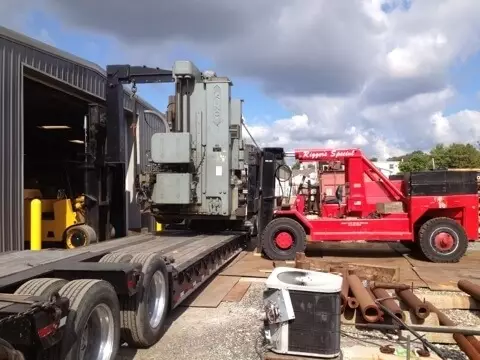
Trailer Safety 101 | Heavy Hauling Tips
 Neighbors Trailer
Nov 7, 2022 642 7 min read
Heavy hauling on a rental trailer demands more preparation than a standard cargo run. When the load is large, heavy, or irregularly shaped, every decision you make before, during, and after loading affects the safety of your truck, your cargo, and everyone else on the road. This guide covers the most common heavy hauling mistakes, the essential tips professionals use, and the legal requirements you need to know before you pull out of the driveway.
Know Your Numbers Before You Load Anything
The most common cause of heavy hauling accidents is overloading. Before you rent a trailer or hitch anything up, you need to verify three critical numbers:
- Cargo weight and dimensions: Know the precise weight, length, width, and height of what you are hauling. A measuring tape is not enough for heavy equipment; get the documented weight from the manufacturer or weigh it on a certified scale.
- Trailer GVWR: The Gross Vehicle Weight Rating of the trailer must exceed the cargo weight with room to spare. Never load a trailer to its exact rated maximum.
- Tow vehicle capacity: Check your truck's towing capacity, payload rating, and tongue weight limit in the owner's manual. These three numbers are all different and all matter.
Heavy Hauling Load Capacity Reference
The table below provides a quick reference for common trailer types used in heavy hauling, including typical GVWR ranges and recommended cargo weights for safe operation.
| Trailer Type | Typical GVWR | Recommended Max Cargo | Common Uses |
| Utility Trailer (tandem axle) | 7,000 lbs | 5,500 lbs | Landscaping, small equipment |
| Flatbed (20 ft, tandem axle) | 14,000 lbs | 11,000 lbs | Construction equipment, lumber |
| Equipment Trailer (heavy duty) | 20,000 lbs | 16,000 lbs | Excavators, skid steers, tractors |
| Gooseneck Flatbed | 30,000+ lbs | 25,000+ lbs | Large machinery, multiple vehicles |
| Dump Trailer (tandem axle) | 14,000 lbs | 10,000 lbs | Bulk materials, debris, gravel |
Always leave a safety margin of at least 15 to 20 percent below the trailer's rated maximum. This buffer accounts for load shift, unexpected cargo density, and the weight of tie-down equipment.
How Cargo Weight Affects Stopping Distance
One of the most dangerous surprises for first-time heavy haulers is how drastically a heavy load changes stopping distance. The chart below illustrates approximate stopping distances at 60 mph for loaded vs. unloaded setups.
NeighborsTrailer.com
5 Essential Heavy Hauling Tips
1. Inspect the Tow Vehicle Before Every Run
Towing heavy loads puts far more stress on your truck than everyday driving. Before any heavy haul, check engine oil, coolant, transmission fluid, brake fluid, and tire pressure on the tow vehicle. A blown fuse is the most common reason trailer lights fail, not a wiring problem on the trailer itself. Look for fuses labeled "TRLR" in your truck's fuse box and verify they are intact before assuming the issue is on the trailer side.
2. Properly Secure the Load Using the Right Equipment
Light cargo uses ratchet straps; heavy equipment requires chains and binders. Match the working load limit of your tie-down equipment to the cargo weight. For equipment like excavators, skid steers, or tractors, follow the manufacturer's documented tie-down points, cross through the tires or undercarriage when possible, and use minimum 4-inch ratchet straps or grade 70 transport chains. After loading, push and pull the cargo to confirm zero movement before you leave.
3. Distribute the Load Correctly
Sixty percent of the total cargo weight should sit ahead of the trailer's axle centerline. Too much weight over the rear axle creates trailer sway; too little tongue weight makes the trailer fishtail at highway speeds. On a standard flatbed, this means loading the heaviest items forward and centering them side to side. Check tongue weight with a scale or use the trailer's tongue weight spec as a guide; most trailers operate best with tongue weight between 10 and 15 percent of total trailer weight.
4. Know the Permit Requirements for Your Load
Any load that is oversize (exceeds standard width, length, or height limits) or overweight (exceeds posted axle or gross weight limits for the roads you are using) requires a permit. Limits vary by state and sometimes by county or municipality. Hauling without the correct permit can result in significant fines, forced unloading, and liability if an accident occurs. Research permit requirements for your specific route and load before you leave; many states have online portals to obtain oversize or overweight permits.
5. Drive for the Load, Not the Speed Limit
The FMCSA recommends driving 5 to 10 mph below the posted speed limit when towing heavy cargo. Never exceed 60 mph regardless of the posted limit. Check your mirrors every 8 to 10 seconds. Look at least 15 seconds ahead for traffic lights, stopped traffic, and road hazards. Make wide turns to account for the trailer's off-tracking. Increase your following distance to at least double what you would maintain without a trailer.
Pre-Departure Heavy Hauling Checklist
- Cargo weight confirmed and within trailer GVWR
- Cargo dimensions verified to clear fenders, winch, and tie-down access points
- Tie-down points match manufacturer recommendations for the equipment
- All chains or straps tensioned and locked; no visible slack
- Tow vehicle fuses checked (especially TRLR fuses)
- Trailer lights tested: brake, turn signal, running
- Tire pressure set on both truck and trailer
- Safety chains crossed and properly attached
- Permits in hand for any oversize or overweight load
- Route planned with low-clearance bridges, weight-restricted roads, and rest stops identified
Coverage on Every Rental
When you rent a trailer through Neighbors Trailer, every booking automatically includes NT Protect, the mandatory coverage charged at the time of booking for a few dollars per day. NT Protect covers both the renter and the trailer owner for the duration of the rental, so you can focus on the job rather than worrying about what happens if something goes wrong during transport.
Frequently Asked Questions
Do I need a CDL to haul heavy cargo on a rental trailer?
A commercial driver's license is required when the combined weight of the tow vehicle and trailer (GCWR) exceeds 26,001 lbs, or when the trailer alone exceeds 10,001 lbs GVWR. For most rental trailers used with a personal pickup truck, a standard driver's license is sufficient. Always verify the combined weight against the CDL threshold before your trip.
What is the correct way to use chains vs. straps for heavy equipment?
Chains and binders are required for heavy machinery like excavators, bulldozers, and backhoes because ratchet straps can stretch under sustained tension and lose holding power. Use Grade 70 or Grade 80 transport chains with the working load limit rating appropriate for your cargo weight. Ratchet straps are acceptable for lighter equipment like skid steers and tractors when used with manufacturer-specified tie-down points.
How do I know if my load is overwidth or overheight?
Standard limits in most U.S. states are 8.5 feet wide and 13.5 to 14 feet tall without a permit. Loads exceeding 12 feet wide typically require both a permit and a pilot car. Check the specific limits for every state along your route, as they differ.
Find the Right Trailer for Your Heavy Haul
The right trailer makes every aspect of heavy hauling safer and more efficient. Neighbors Trailer connects you with trailer owners offering flatbeds, equipment trailers, goosenecks, and dump trailers in your area. Browse listings by load capacity and location to find what your job demands. Renters must be at least 21 years old to book, and NT Protect coverage is included automatically with every rental.
Related Articles
- Hydraulic Tilt Flatbed Trailer for Rent in Denver, CO
- The Used Trailer Buying Guide
- How to Store Your Trailer Safely in the Winter
- How to Choose the Right Flatbed Trailer Rental
Content updated March 2026