Hydraulic Tilt Flatbed Trailer for Rent in Denver CO
 Neighbors Trailer
Nov 8, 2022 341 7 min read
Flatbed trailers with hydraulic tilt mechanisms are among the most versatile pieces of towing equipment available in Denver. Whether you need to haul a vehicle off the side of the road, transport a compact excavator to a job site, move a zero-turn mower, or load an ATV without a ramp, a hydraulic tilt flatbed does it without the heavy lifting. This guide explains what hydraulic tilt flatbeds are, what they are best for, and how to find one for rent in the Denver, Colorado area through Neighbors Trailer.
What Is a Hydraulic Tilt Flatbed Trailer?
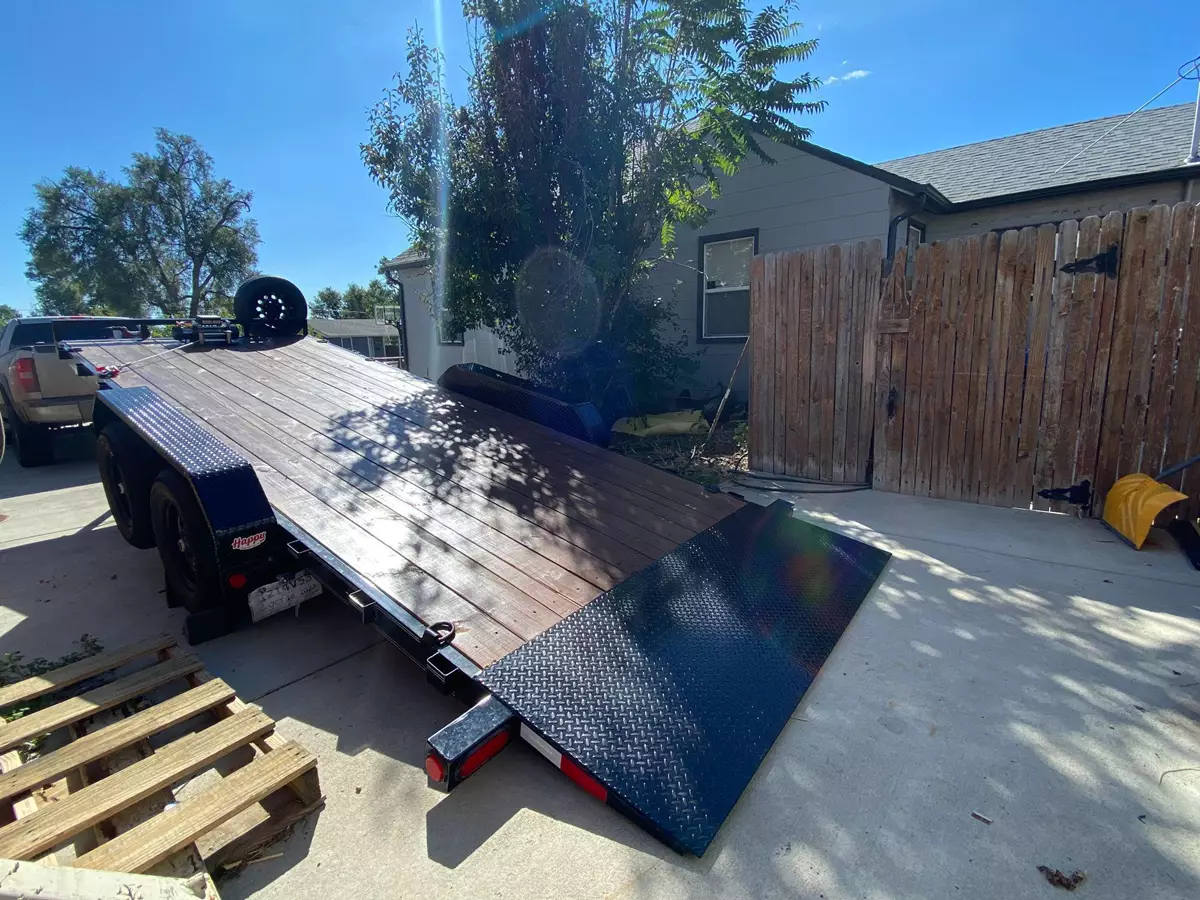
A hydraulic tilt flatbed is an open deck trailer where the entire bed, or a portion of it, pivots downward to create a low-angle loading ramp using hydraulic power. Unlike traditional flatbeds that require external ramps, the hydraulic tilt mechanism is built into the trailer itself. This makes loading low-clearance vehicles, wheeled equipment, and heavy machinery significantly faster and safer than carrying separate ramps. Many tilt decks also come equipped with a front winch for pulling cargo onto the bed without manual pushing.
Hydraulic Tilt Flatbed vs. Standard Flatbed: Key Differences
Both trailer types are workhorses, but they excel in different situations. The table below compares hydraulic tilt and standard flatbed configurations across the factors that matter most to renters.
| Feature | Hydraulic Tilt Flatbed | Standard Flatbed |
| Loading method | Bed tilts hydraulically; no ramp needed | Requires ramps or loading dock |
| Best for | Vehicles, low-clearance equipment, ATVs | Bulk cargo, lumber, palletized loads |
| Winch included | Often yes (10,000+ lb winch common) | Rarely included |
| Sidewalls | None (open deck) | Optional; some have stake pockets |
| Hitch requirement | 2-5/16 inch ball or gooseneck | 2 inch or 2-5/16 inch ball |
| Typical GVWR | 10,000 to 14,000 lbs | 7,000 to 20,000+ lbs (varies) |
Best Uses for a Hydraulic Tilt Flatbed in Denver
Denver's mix of urban neighborhoods, suburban sprawl, mountain access, and active construction industry creates strong demand for versatile flatbed trailers. Here are the most common use cases renters find this trailer type ideal for:
- Vehicle transport: Hauling a non-running vehicle, a project car, or a recently purchased used car home from a dealership or auction
- Landscaping and yard equipment: Moving a compact tractor, zero-turn mower, or skid steer from storage to a job site
- Recreation: Transporting ATVs, UTVs, dirt bikes, or snowmobiles to mountain trailheads and parks near Denver
- Construction equipment: Moving a mini excavator, plate compactor, or small loader between job sites in the metro area
- Oddly shaped cargo: The open deck and no-sidewall design accommodates loads that would not fit in an enclosed trailer
What Equipment Gets Rented with Flatbed Trailers in Denver
Denver renters use flatbed trailers for a wide variety of hauling jobs. The chart below shows the most common equipment types transported with flatbed rentals in Colorado.
NeighborsTrailer.com
How the Hydraulic Tilt Mechanism Works
Operating a hydraulic tilt flatbed is straightforward, but it helps to know the sequence before your first rental:
- Park the trailer on firm, level ground and chock the wheels before activating the tilt
- Engage the hydraulic controls (usually a rocker switch or lever at the front of the trailer) to lower the rear deck to loading angle; most tilt decks reach 7 to 12 degrees
- Drive, roll, or winch your cargo up the tilted deck to the front of the trailer
- Once the cargo is positioned and centered, raise the deck back to level using the hydraulic controls
- Secure the cargo with tie-down straps through the trailer's D-ring or stake pocket tie-down points
- If using the winch, attach the hook to a rated recovery point on the cargo before winding it onto the deck
What to Verify When Renting a Hydraulic Tilt Flatbed
Before confirming your rental, confirm these details with the owner or in the listing:
- GVWR: Confirm the trailer's rated capacity exceeds your cargo weight; most hydraulic tilt flatbeds in the 20-ft range have a GVWR of 10,000 to 14,000 lbs
- Hitch ball size: Most tilt flatbeds require a 2-5/16 inch ball; verify your hitch is properly sized and your tow vehicle is rated for the load
- Winch capacity: If you plan to use the winch to pull a non-running vehicle, verify the winch's rated capacity exceeds the vehicle weight
- Tie-down points: Confirm the number and rating of D-rings or stake pockets to plan your strap configuration
- Trailer length and width: A 20-ft deck at 83 inches wide accommodates most cars and trucks; confirm your cargo fits before booking
Coverage Included on Every Rental
When you book a trailer on Neighbors Trailer, every rental automatically includes NT Protect, the mandatory coverage charged at the time of booking for a few dollars per day. NT Protect provides coverage for both the renter and the trailer owner throughout the rental period, so you can load up your cargo and hit the road with confidence whether you are heading across Denver or up into the mountains.
Renting vs. Buying a Hydraulic Tilt Flatbed
A new 20-ft hydraulic tilt flatbed from a manufacturer like PJ Trailer, Big Tex, or Load Trail typically costs $8,000 to $14,000 depending on GVWR and features. For most people who haul equipment a few times a year, renting on Neighbors Trailer for the occasions you actually need one makes far more financial sense than buying. You skip the storage, insurance, registration, and maintenance costs entirely. If you own a trailer and it sits idle most of the time, listing it on Neighbors Trailer lets you recoup costs by earning 80 percent of every rental booking.
Frequently Asked Questions
What size tow vehicle do I need for a 20-ft hydraulic tilt flatbed?
A half-ton pickup truck with a 2-5/16 inch hitch ball and a tow rating of at least 12,000 lbs is recommended for a fully loaded 20-ft tilt deck. If your cargo approaches the trailer's GVWR, a three-quarter ton or one-ton truck provides better braking, suspension, and stability. Always verify your specific truck's towing capacity in the owner's manual before loading.
Can I use a hydraulic tilt flatbed to tow a car that runs?
Yes. A running vehicle can drive up the tilted deck under its own power, which is actually easier than using a winch. Position the deck at a moderate tilt angle, drive the vehicle up at low speed, stop at the front tie-down area, and then raise the deck. Secure all four corners with wheel nets or tie-down straps at rated anchor points.
Are hydraulic tilt flatbeds available in Denver year-round?
Availability varies by listing and owner. The Neighbors Trailer marketplace shows real-time availability for trailers in the Denver area. You can filter by trailer type and date to find what is available for your specific rental window. Booking in advance is recommended during peak construction and moving seasons in late spring through fall.
Find a Hydraulic Tilt Flatbed Trailer for Rent in Denver
Neighbors Trailer connects you with trailer owners throughout the Denver metro area who list their hydraulic tilt flatbeds, standard flatbeds, and specialty equipment trailers for rent by the day, week, or month. Browse listings at neighborstrailer.com to find the right trailer for your project. Renters must be at least 21 years old to book, and NT Protect coverage applies automatically to every rental.
Related Articles
- Trailer Safety 101: Essential Heavy Hauling Tips
- Leasing vs. Renting a Flatbed Trailer: Which Is Right for You?
- The Used Trailer Buying Guide
- How to Store Your Trailer Safely in the Winter
Content updated March 2026