

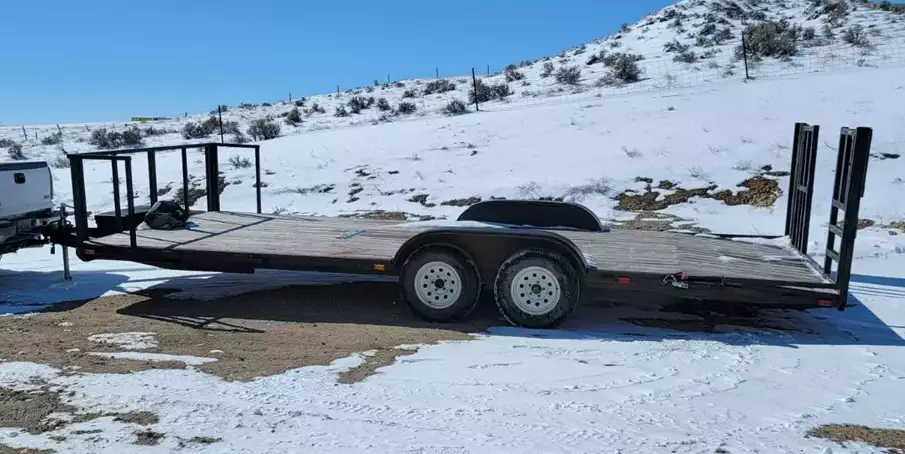
Trailer Maintenance Guide: Essential Winter Trailer Maintenance Tips
 Neighbors Trailer
Mar 7, 2023 342 9 min read winter trailer maintenance, trailer storage tips, trailer tire care, trailer rust prevention, cold weather towing
Winter is one of the toughest seasons for trailer owners. Freezing temperatures, road salt, ice, and snow can all take a serious toll on your trailer if you do not take the right precautions before the cold sets in. Whether you use your trailer year-round or plan to store it for the season, proper winter maintenance is the key to avoiding costly repairs and keeping your equipment safe and reliable.
This guide from Neighbors Trailer covers everything you need to know about preparing your trailer for winter, from tire care and corrosion prevention to proper storage techniques and cold-weather towing tips. Follow these steps, and your trailer will be ready to perform when spring arrives.
Why Winter Trailer Maintenance Matters
Cold weather creates a unique set of challenges for trailers. Metal contracts in freezing temperatures, which can loosen bolts and affect structural integrity. Road salt accelerates rust and corrosion on exposed steel surfaces. Moisture from snow and ice works its way into seals, bearings, and electrical connections, causing damage that may not become visible until months later. Tires lose pressure more quickly in cold weather, and brake components can seize if not properly maintained.
Skipping winter maintenance does not just put your trailer at risk. It puts you and other drivers in danger every time you tow. A few hours of preventive care in the fall can save you thousands of dollars in repairs and keep your trailer roadworthy for years to come.
Inspect and Maintain Your Trailer Tires
Tires are one of the most important components to check before winter arrives. Cold air causes tire pressure to drop, roughly 1 PSI for every 10-degree Fahrenheit decrease in temperature. Underinflated tires wear unevenly, reduce fuel efficiency, and increase the risk of a blowout while towing.
Start by checking the tire pressure against the manufacturer's recommended PSI listed on the tire sidewall. Inspect the tread depth using the penny test or a tread gauge, and look for signs of cracking, bulging, or dry rot. Winter conditions demand reliable traction, so replacing tires that show any of these warning signs is a priority. For a deeper dive into tire upkeep, check out this guide on keeping your trailer tires in excellent condition.
If you plan to store your trailer for the winter, consider placing it on jack stands to take the weight off the tires. This prevents flat spots from developing and extends the life of your tires significantly.
| Winter Tire Issue | Cause | Prevention |
| Low tire pressure | Cold air causes PSI to drop | Check pressure weekly; inflate to recommended PSI |
| Flat spots | Prolonged stationary storage | Use jack stands or move trailer periodically |
| Dry rot and cracking | UV exposure and temperature swings | Cover tires or store indoors when possible |
| Uneven tread wear | Misalignment or underinflation | Rotate tires and maintain proper pressure |
| Reduced traction | Worn tread on icy roads | Replace tires with less than 4/32" tread depth |
NeighborsTrailer.com
Protect Against Rust and Corrosion
Road salt is the number one enemy of steel trailers during winter. Salt accelerates oxidation and eats through unprotected metal surfaces faster than most owners realize. A single winter without proper protection can lead to rust damage that weakens the trailer frame, undermines structural welds, and shortens the trailer's usable lifespan.
Before winter arrives, wash your trailer thoroughly with a pressure washer or garden hose. Focus on the undercarriage, wheel wells, frame rails, and any crevices where salt and moisture tend to collect. After cleaning, apply a quality anti-corrosion spray or rust inhibitor to all exposed metal surfaces. Wax-based undercoatings work well for seasonal protection. If your trailer is aluminum, you still need to protect hardware, fasteners, and any steel components from corrosion. Learn more about whether aluminum trailers develop rust and how to prevent it.
Throughout the winter, make it a habit to rinse off road salt after every trip. Even a quick rinse with a garden hose can prevent salt from building up and causing lasting damage.
Lubricate Bearings, Hinges, and Moving Parts
Cold temperatures cause grease to thicken, which reduces its ability to protect moving parts. Wheel bearings, coupler mechanisms, jack stands, ramp hinges, and latch assemblies all need fresh lubrication before winter to function properly in freezing conditions.
Wheel bearings deserve special attention. Worn or dry bearings generate friction and heat that can lead to wheel lockup or even a wheel coming off the axle while towing. Repack or inspect your bearings before the first cold snap, and replace them if you notice any roughness, discoloration, or pitting. For a step-by-step breakdown, read this guide on why servicing your trailer's wheel bearings is important.
Apply marine-grade grease to your coupler and ball mount to prevent them from seizing. Spray penetrating oil on door hinges, ramp springs, and latch mechanisms to keep them operating smoothly even in sub-zero conditions.
Check Your Trailer's Electrical System
Winter weather is hard on trailer wiring and lighting. Moisture, road salt, and freezing temperatures can corrode electrical connections, crack wire insulation, and cause lights to fail. Since winter driving means shorter days and reduced visibility, working trailer lights are absolutely essential for safety.
Inspect every light on your trailer, including brake lights, turn signals, running lights, and any marker lights. Test the wiring harness connection between your tow vehicle and trailer. Look for corroded or loose pins in the plug and clean them with electrical contact cleaner. Apply dielectric grease to all connections to seal out moisture and prevent corrosion.
Replace any cracked or foggy light lenses, as moisture that gets inside the housing will freeze and expand, potentially breaking the assembly entirely. Carry spare bulbs and fuses in your tow vehicle as a backup.
Inspect Brakes and Safety Equipment
Cold weather can cause brake components to seize, especially if the trailer sits unused for extended periods. Before towing in winter, test your trailer brakes to make sure they engage and release properly. Listen for grinding or squealing, which can indicate worn pads or corroded rotors.
For trailers with electric brakes, check the brake controller settings and adjust for winter towing conditions. Icy roads require more stopping distance, so setting the brake gain slightly higher than normal can improve safety. For trailers with surge brakes, make sure the actuator moves freely and the master cylinder has adequate brake fluid.
Verify that your breakaway cable or chain is securely attached and that the breakaway battery is fully charged. Inspect your safety chains for wear, rust, or weak links, and ensure they cross properly under the coupler.
NeighborsTrailer.com
How to Properly Store Your Trailer for Winter
If you will not be using your trailer during the winter months, proper storage preparation is critical. A trailer that sits idle without the right precautions can emerge in spring with flat-spotted tires, corroded components, seized brakes, and water damage.
Start by thoroughly cleaning the entire trailer, inside and out. Remove any cargo, debris, or moisture. For enclosed trailers, leave a vent or window slightly open to allow air circulation and prevent mold and mildew from forming. Place moisture-absorbing products inside the cargo area to control humidity.
Elevate the trailer on jack stands to keep weight off the tires and suspension. Disconnect the battery on trailers with electric brakes or onboard systems, and store it in a temperature-controlled space where you can maintain its charge with a trickle charger. Cover open trailers with a quality waterproof tarp, making sure the tarp is secured tightly so wind and snow cannot get underneath it.
If possible, store your trailer indoors or under a carport. Indoor storage eliminates exposure to snow, ice, and UV rays, which is the best way to preserve your trailer's condition long-term.
Cold-Weather Towing Tips for Safer Winter Trips
If you plan to tow your trailer through the winter rather than store it, adjusting your driving habits for cold conditions is essential. Icy and snowy roads reduce traction and increase stopping distances significantly when you are pulling a trailer.
Leave at least double the following distance you would use in dry conditions. Brake gently and early, giving yourself and the trailer plenty of time to slow down. Use a lower gear on hills to control speed without relying heavily on your brakes. Avoid sudden lane changes or sharp turns, as these can cause the trailer to fishtail on slippery surfaces.
Before every winter trip, do a quick walk-around inspection. Check tire pressure, test all lights, confirm the coupler is locked, verify safety chains are connected, and make sure the load is properly secured. Keep an emergency kit in your tow vehicle that includes traction mats, a flashlight, jumper cables, and basic hand tools.
Frequently Asked Questions
How often should I check my trailer's tire pressure during winter?
Check tire pressure at least once a week during winter, and always before towing. Cold temperatures cause pressure to fluctuate, so frequent checks are important to maintain safe inflation levels.
Can I leave my trailer outside all winter?
You can, but you should take precautions. Place the trailer on jack stands, cover it with a waterproof tarp, and apply anti-corrosion spray to all metal surfaces. Indoor storage is always the better option if available.
What type of grease should I use for trailer bearings in cold weather?
Use a marine-grade or cold-temperature rated bearing grease. Standard grease thickens in freezing conditions and loses its protective properties, so choosing a product rated for low temperatures ensures proper lubrication.
Is road salt really that damaging to trailers?
Yes. Road salt accelerates corrosion on steel components and can cause significant structural damage over a single winter if left unchecked. Rinsing your trailer after every trip on salted roads is one of the most effective ways to prevent long-term damage.
Earn Money from Your Trailer Year-Round
Owning a trailer comes with ongoing maintenance costs, but it can also be a source of income. By listing your trailer on Neighbors Trailer, you can rent it out to people in your area who need one. Every rental on the platform includes NT Protect, mandatory coverage that is automatically included at a cost of just a few dollars per day to the renter. NT Protect gives you peace of mind knowing your trailer is covered while someone else is using it. Owners keep 80% of every rental, and Neighbors Trailer handles all payments, contracts, and provides a free listing to get you started.
Related Articles
- Tips for Storing Your Trailer Safely in the Winter
- 10 Important Tips for Preparing Your Dump Trailer for Winter
- Do I Need Winter Tires to Tow My Cargo Trailer in Winter?
- Outdoor Winter Storage Tips for Your Utility Trailer
Content updated March 2026