

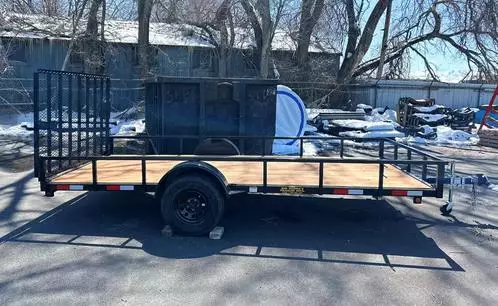
Outdoor Winter Storage Tips for Your Utility Trailer
 Neighbors Trailer
Nov 20, 2023 1860 6 min read utility trailer winter storage tip
A utility trailer is one of the most flexible pieces of equipment a homeowner or contractor can own, but the off-season is where most of them quietly fall apart. Frozen tires, rusty hardware, mouse-chewed wiring, and waterlogged decking are all preventable, and a structured winter storage routine takes less than half a day. This guide walks through proven steps to keep your utility trailer ready for the first warm Saturday in spring.
Why Winter Storage Is Worth Doing Right
Open-deck utility trailers are exposed to the worst of winter: freezing rain, road salt residue, UV damage on cold sunny days, and wide temperature swings that crack sealants. The most common springtime repair calls are not from a single dramatic failure, but from neglect compounding across the off-season. Wood decks rot, lights short out, axle bearings dry up, and tires take a permanent set. Spending a single afternoon in November on storage prep often saves several hundred dollars in March repairs and a frustrating delay before the trailer is usable again.
The Utility Trailer Winter Storage Checklist
Use the table below as a working punch list. Each item assumes a typical 5x8 to 6x12 single-axle utility trailer; bigger tandem-axle trailers will need a little more time on bearings and brakes.
| Task | What to Do | Why It Matters | Estimated Time |
| Wash and dry | Pressure wash deck, frame, and undercarriage | Removes salt and organic debris that hold moisture | 30 minutes |
| Inspect deck | Reseat fasteners, treat wood with sealant | Wood swells and warps when soaked through winter | 20 minutes |
| Tires | Inflate to max sidewall PSI, elevate off ground | Prevents flat-spotting and cold-weather PSI loss | 15 minutes |
| Bearings | Repack with marine-grade grease | Moisture entering bearings is the #1 spring failure | 30 minutes |
| Lights and wiring | Test, dielectric grease all plugs and grounds | Salt crystals corrode brass terminals quickly | 15 minutes |
| Coupler and jack | Lubricate moving parts, stow safety chains | Frozen couplers strand owners on day one | 10 minutes |
| Cover and chock | Use a breathable cover, chock at least one wheel | Tarps trap condensation and rot wood | 15 minutes |
Indoor vs Outdoor Storage: What Actually Matters
Indoor Storage Wins, but Is Not Required
A heated garage is the gold standard, but very few owners have that luxury for a 12-foot trailer. The good news is that an unheated barn, carport, or even a covered side yard provides 80 percent of the protection of indoor storage if the prep work is done correctly. The single biggest factor is keeping standing water and snow load off the deck.
If You Must Store Outdoors
Pick the highest, best-drained corner of the property. Park on gravel or pavers rather than bare dirt to prevent the tongue jack from sinking into thawed mud. Use a breathable woven trailer cover instead of a hardware-store tarp; tarps trap condensation that can rust the frame from the inside out. Aim the trailer so prevailing winter winds hit the front rather than the open back.
Tires, Bearings, and the Wear-Out Costs
The most common and expensive winter failures cluster around the wheel end. The chart below summarizes typical repair costs for a small fleet of utility trailers when storage prep is skipped.
NeighborsTrailer.com
Step-by-Step Walkthrough
1. Strip and Wash
Empty everything from the trailer, including ratchet straps and tie-down accessories. Pressure wash with a mild detergent. Pay attention to underside crossmembers and the inside of fender wells where road grime collects. Allow a full day to dry before going further.
2. Treat the Deck
Reseat any popped deck screws, replace cracked planks, and apply a wood preservative or marine-grade sealant. If the deck is metal, scuff any rust spots and touch up with a matching enamel. Skipping this step is the leading cause of mid-summer board failures.
3. Wheel End Service
Pop the dust caps and inspect the bearings. If grease looks milky or contaminated, repack with fresh marine-grade grease. Spin the hubs by hand listening for grit. Replace seals if the inner bearing is dry. While the wheels are off, this is also a great moment to plan ahead with our utility trailer tire selection guide.
4. Lights, Wiring, and Plug
Test every running light, brake light, and turn signal. A failed bulb in November becomes an out-of-service trailer in March. Apply dielectric grease to the trailer plug and inside the truck-side connector. Wrap the plug in a plastic bag for storage to keep moisture and bugs out.
5. Tires and Final Cover
Inflate to maximum sidewall PSI, then jack the trailer onto blocks so the tires hover just above the ground. Spin each tire a half turn to redistribute weight. Drape a breathable cover, secure with bungee cords rather than tight straps, and confirm the tongue jack is supported on a paver.
Frequently Asked Questions
Do I really need to take the tires off the ground?
If the trailer will sit for more than 60 days, yes. Cold concrete creates flat spots on tires that have been static for weeks, and those flat spots often do not resolve when the trailer rolls again.
What is the best cover material?
A woven polyester cover designed for trailers or boats. Cheap blue tarps are worse than no cover at all because they trap moisture against the deck and frame.
Should I disconnect the breakaway battery for winter?
Yes. Disconnect or remove the breakaway battery and store it on a trickle charger indoors. A frozen breakaway battery cracks the case and may leak.
How often should I check on the trailer during winter?
Once a month is plenty. Walk around it, check the cover, look for signs of pests, and confirm the tongue jack is still supported.
Closing Thoughts
A utility trailer that gets a proper winter shutdown rolls out of storage looking and performing the way it did the day it was parked. Owners renting through Neighbors Trailer also benefit from stronger reviews and higher daily rates when the trailer arrives clean, tight, and reliable. Spend the time now and the spring rental season starts the way it should: with no surprises.
Related Articles
- Flatbed Trailer Rental Winter Storage Tips
- Tips to Maximize the Potential of Your Utility Trailer
- Utility Trailer Tires Guide
- Benefits of Owning a Multipurpose Utility Trailer
Content updated May 2026