

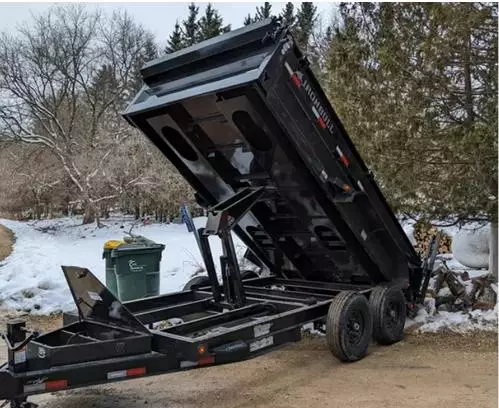
10 Important Tips for Preparing Your Dump Trailer for Winter
 Neighbors Trailer
Nov 19, 2023 1161 6 min read dump trailer winter maintenan
Cold months are tough on heavy equipment, and a dump trailer left to fend for itself through ice, salt, and freeze cycles will not last. A short afternoon of winter prep saves a small fortune in springtime repairs and keeps the trailer ready when the first thaw hits and your jobs pick back up. This guide walks through every system that matters and explains exactly what to clean, drain, lubricate, cover, and inspect before the deep cold arrives.
Why Winterizing a Dump Trailer Pays for Itself
A dump trailer is a working asset, and downtime in the spring is lost income. You can check what that asset is currently worth with our trailer value estimator, and diligent winter prep helps protect that value. Hydraulic seals, pump components, electric brakes, batteries, and tires all degrade faster when neglected through winter. Trapped debris holds moisture against steel. Salt residue accelerates rust along the floor pan and frame welds. A frozen battery can crack a case in a single overnight cold snap. Spending two to four hours on a structured winter prep checklist routinely prevents the kind of repair bills that wipe out an entire season of rental revenue.
Dump Trailer Winterization Checklist
Use the table below as a one-page roadmap. The most successful owners run through this same checklist every November and again as a quick verification in January.
| System | Action | Why It Matters | Time Needed |
| Hydraulic system | Top off fluid, cycle the ram, inspect hoses for cracks | Cold thickens fluid and exposes worn seals | 20 minutes |
| Bed and floor | Pressure wash, dry, apply rust inhibitor | Salt and organic debris cause pitting | 45 minutes |
| Battery (hydraulic pump) | Disconnect, charge fully, store at 50F or above | Discharged batteries freeze and crack | 10 minutes |
| Brakes and bearings | Inspect magnets, repack bearings, check breakaway | Moisture intrusion ruins bearings fast | 40 minutes |
| Tires | Inflate to spec, rotate off concrete, cover sidewalls | UV and cold flat-spot tires that sit | 15 minutes |
| Lights and wiring | Test every circuit, dielectric grease all plugs | Corroded grounds fail without warning | 15 minutes |
| Cover and storage | Use a breathable cover, block tires, chock | Tarps trap condensation and rot wood floors | 20 minutes |
Step-by-Step Cold Weather Prep
1. Deep Clean Before Anything Else
Empty the bed completely. Sweep loose debris, then pressure wash the floor, walls, and undercarriage with the bed in the dump position. Pay extra attention to the seam where the floor meets the side walls, the area around the hydraulic cylinder mount, and the tongue. Once dry, treat any bare metal with a rust inhibitor. A thorough clean is also the perfect time to follow our dump trailer cleaning best practices so nothing gets missed.
2. Service the Hydraulic System
Hydraulics are the heart of a dump trailer and the system most punished by winter. Cycle the bed up and back down two or three times to circulate fluid and check for leaks. Top off the reservoir with a low-temperature hydraulic fluid rated for the climate. Inspect every hose for cracks or weeping fittings. If a hose is more than five years old or shows surface checking, replace it before storage rather than during a job in March.
3. Protect the Battery and Pump
The 12V battery powering the hydraulic pump is one of the most common winter casualties. Disconnect the negative terminal at minimum, or better, remove the battery and store it on a trickle charger in a heated space. Wipe the terminals with a baking soda solution to neutralize corrosion, then coat them with terminal grease.
4. Bearings, Brakes, and Suspension
Pull each wheel and inspect the bearings. Repack with fresh marine-grade grease if the trailer saw any standing water through the season. Check the brake magnets for even wear and confirm the breakaway switch still trips. Spray suspension pivots and the spare tire mount with a corrosion-blocking lubricant.
5. Tires Off the Cold Concrete
Tires lose roughly 1 PSI for every 10 degrees of temperature drop, and prolonged contact with cold concrete creates flat spots that never fully recover. Inflate to the maximum sidewall PSI, then place the trailer on jack stands or wood blocks. Cover sidewalls if the trailer is stored outdoors. Picking the right replacement set later starts with the tips in our trailer tire selection guide.
6. Cover Smart, Not Just Tight
The biggest cover mistake is using a non-breathable tarp strapped tight against painted surfaces. Trapped condensation under a tarp does more damage than the rain it blocks. Use a breathable trailer cover, leave gaps at the corners, and keep the tongue jack supported on a paver to prevent the foot from sinking when the ground heaves.
Common Winter Damage by the Numbers
Field data from rental fleets makes the case for prevention. The chart below shows the most frequent winter-related dump trailer failures, ranked by repair cost across a typical fleet sample.
NeighborsTrailer.com
Frequently Asked Questions
Should I empty the hydraulic fluid for winter?
No. Draining creates an opportunity for moisture to enter the reservoir and cause internal rust. Top off with the correct fluid and cycle the system instead.
Is it safe to leave a dump trailer outside through the winter?
Yes, with the right prep. A breathable cover, tires elevated off concrete, a disconnected battery, and a clean dry bed will keep an outdoor trailer in good shape through the harshest months. If you would rather not leave it exposed, our storage facilities directory helps you find covered or indoor storage nearby.
How often should I check on the trailer during storage?
Once a month is plenty. Walk around it, check tire pressure, confirm the cover is secure, and run the hydraulic ram one cycle if temperatures allow.
What lubricant should I use on hinges and pivots?
Use a lithium-based grease for high-load joints and a dry film lubricant for the latch hardware so dust does not stick to wet oil.
Closing Thoughts
A dump trailer that is winterized properly comes out of storage ready to earn revenue from day one. Skipping the prep work invites cracked hydraulic hoses, dead batteries, flat-spotted tires, and a season-opening repair list that nobody wants. Use this checklist every fall, and the trailer will deliver many more profitable seasons. For owners renting their trailer through Neighbors Trailer, well-maintained equipment also commands higher daily rates and stronger reviews from renters.
Related Articles
- Important Tips on Cleaning a Dump Trailer Rental Properly
- Choosing the Right Dump Trailer Rental
- Flatbed Trailer Rental Winter Storage Tips
- How to Choose the Right Tires for Your Trailer
Content updated May 2026