How to Get More Bookings for Your Enclosed Trailer Rental
 Neighbors Trailer
Sep 29, 2023 534 6 min read how to price a rental trailer, setting a fair pri
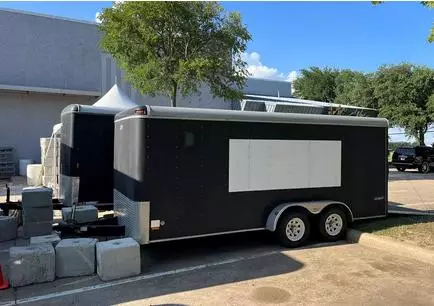
Setting a fair price for your enclosed trailer rental is the difference between a busy calendar and a unit collecting dust. Owners who price too high get skipped. Owners who price too low burn out on bookings that barely cover wear and tear. The sweet spot sits between those two extremes, and this guide gives you the data, the framework, and the adjustments you need to land there.
On the Neighbors Trailer marketplace, enclosed trailer rentals price by size, location, age, and features. We will walk through each factor, compare typical market rates, and show you how to test and refine your pricing over the first few bookings.
Start With Base Market Rates
Before you set your own number, know what the market is paying. Daily rental rates for enclosed trailers vary by size and region, but the table below shows the typical ranges we see across Neighbors Trailer listings.
| Enclosed Trailer Size | Typical Daily Rate | Weekly Rate | Common Renter |
| 5 x 8 ft | $45 to $75 | $225 to $350 | Solo movers, contractors |
| 6 x 12 ft | $75 to $110 | $375 to $550 | Household moves, small jobs |
| 7 x 14 ft | $110 to $155 | $550 to $775 | Contractors, families |
| 7 x 16 ft | $135 to $175 | $675 to $875 | Full household moves |
| 8.5 x 20 ft | $175 to $245 | $875 to $1225 | Commercial, car hauling |
Use this range as a floor and ceiling. If your trailer is newer, has better tires, or sits in a high-demand metro area, price at the top of the range. If your trailer is older or in a rural market with less rental traffic, start near the bottom.
Factors That Move Your Price Up
Age and Condition
A trailer built in the last five years with clean paint, new tires, and working LED lighting commands 15 to 25 percent more than a 12-year-old unit with sun-faded decals. Renters pay for confidence that the trailer will get them there and back without issues.
Features and Add-Ons
Ramp doors, E-track tie-down rails, interior LED lighting, roof vents, and side escape doors all justify a higher nightly rate. List every feature in your listing description so price-shoppers understand what they are getting for the money.
Location Demand
Metro areas with active moving, commercial, or event industries support higher rates. Check nearby listings in your zip code and within 25 miles to see what comparable trailers book for.
How Pricing Decisions Shape Booking Volume
Smart pricing is as much about volume as it is about rate. The chart below shows how average monthly booking days shift across four common pricing strategies owners use on Neighbors Trailer.
NeighborsTrailer.com
The median strategy is not always the most profitable. An aggressively priced trailer that books 22 days a month often out-earns a premium listing that books 12 days, even at a lower nightly rate. Use this data to test your own pricing.
The Three-Month Pricing Test
The best way to find your fair price is to run a simple three-month test.
Start at the market median from the table above. Track bookings, revenue, and inquiries that did not convert. After 30 days, adjust. If you are booked every weekend and turning renters away, raise your rate 10 percent. If you are sitting empty on weekends, drop 10 percent and re-list with fresh photos.
By month three, you will have a clear picture of what your trailer can earn in your market. From there, adjust seasonally: moving season peaks in summer, roofing demand peaks after spring storms, and cargo trailers see steady commercial demand year-round.
Extras That Justify Premium Pricing
If you want to price at the top of your market, these are the upgrades that renters notice and pay for.
Professional-quality listing photos taken in good light with multiple angles. A detailed description that covers dimensions, payload, interior features, and what the trailer is ideally used for. Responsive messaging, with replies inside an hour during daytime. Flexible pickup windows and simple return instructions. Freshly washed exterior and vacuumed interior at every handoff. These small details add up to a better booking rate and better reviews, which feed future bookings at higher prices.
When to Lower Your Price
Price cuts are a tool, not a failure. Use them strategically.
If your calendar is empty for the next two weeks, a temporary 15 percent discount paired with a message blast to repeat renters can fill the gap. If a major local event is coming, raise for peak weekends and drop mid-week. If bookings plateau for 45 days, refresh your listing photos and description before cutting price, since stale listings often get skipped regardless of rate.
For more on getting your enclosed trailer rental-ready and presenting it well, see the beginners guide to choosing an enclosed trailer rental.
Frequently Asked Questions
How does the Neighbors Trailer fee structure affect my pricing?
Owners pay a 20 percent platform fee on each booking. Factor that into your nightly rate so your take-home meets your target. If you want $100 net, price around $125 to account for the fee.
Should I offer different daily and weekly rates?
Yes. Weekly rates that discount 20 to 30 percent off daily rates reward longer bookings, which reduce your turnover work and increase utilization. Monthly rates can discount even more for long-term renters. If you want more of those long bookings, Trailer Bid brings nearby long-term jobs to you to quote: you name your own price, your price stays private from other suppliers, and quoting never blocks your calendar.
How often should I review my pricing?
Review every 60 to 90 days and any time local market conditions shift. New listings nearby, a local event wave, or seasonal demand changes all warrant a fresh look at your rate.
Can I raise prices if I have great reviews?
Absolutely. Four or more 5-star reviews let you charge 10 to 15 percent above the median without losing booking volume. Renters pay for proven reliability.
What if I am competing with a rental chain nearby?
Price about 10 to 20 percent under chain rates and lean on the advantages of a peer-to-peer rental: direct communication, cleaner trailers, and flexible pickup. Most renters prefer Neighbors Trailer once they have tried both.
Set Your Price With Confidence
Fair pricing for your enclosed trailer rental is a moving target, not a one-time decision. Start at market median, test for 30 to 60 days, adjust based on booking volume and feedback, and keep your listing fresh with seasonal photos and clear descriptions. Do those four things and your trailer will earn consistent income without sitting empty or burning out.
List your enclosed trailer on Neighbors Trailer and reach renters in your area looking for exactly what you offer.
Related Articles
- Beginners Guide to Choosing the Best Enclosed Trailer Rental
- Single vs Dual Axle Enclosed Trailer Rental
- How to Start a Trailer Rental Business
- Make Money With a Trailer and Be Your Own Boss
Content updated April 2026