Landscaping Essentials | A Cargo or A Utility Trailer Rental?
 Neighbors Trailer
Jul 31, 2023 397 8 min read utility trailer ren
Choosing Between a Cargo Trailer and a Utility Trailer for Landscaping
If you run a landscaping business or handle your own yard work on a serious scale, choosing the right trailer can make or break your efficiency on the job. Both cargo trailers and utility trailers are popular choices among landscapers, but they serve different purposes and excel in different situations. Understanding the strengths and trade-offs of each type helps you pick the trailer that fits your workload, budget, and hauling style.
This guide compares enclosed cargo trailers and open utility trailers side by side, breaks down which landscaping tasks each one handles best, and explains what to look for when renting through Neighbors Trailer.
Cargo Trailer vs Utility Trailer: Key Differences for Landscapers
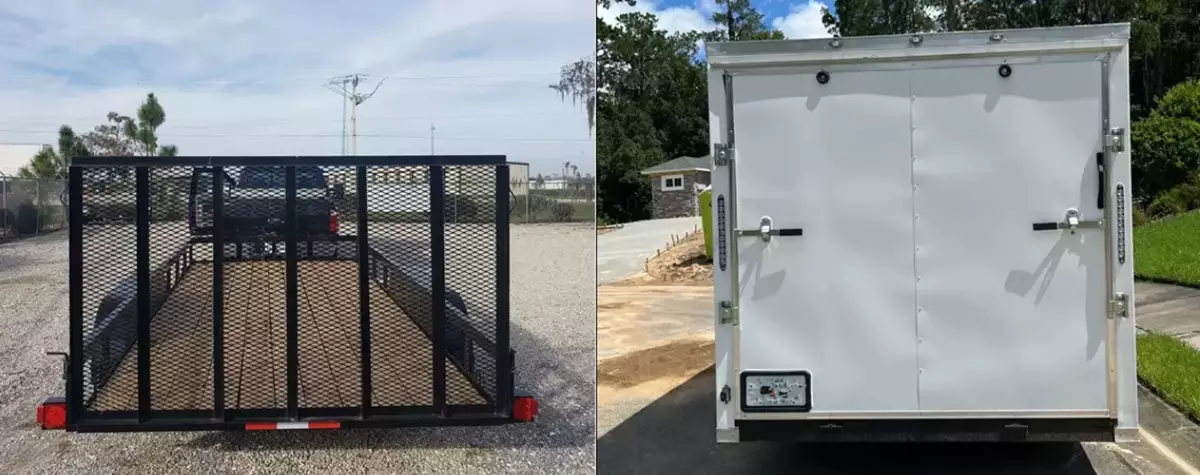
| Feature | Enclosed Cargo Trailer | Open Utility Trailer |
| Weather protection | Full protection from rain, sun, dust | No built-in protection; requires tarps |
| Security | Lockable doors keep tools secure | Open access; requires separate locks |
| Loading ease | Rear ramp or doors; limited side access | Open sides allow loading from any angle |
| Weight capacity | Heavier trailer reduces net payload | Lighter frame maximizes payload capacity |
| Cost (rental per day) | $60 to $150 depending on size | $35 to $90 depending on size |
| Best for | Equipment storage, theft prevention, all-weather jobs | Bulk materials, mowers, quick load/unload |
| Fuel efficiency impact | Higher drag increases fuel use | Lower profile reduces wind resistance |
| Typical sizes | 5x8 to 8.5x20 enclosed | 4x6 to 7x16 open deck |
When a Utility Trailer Is the Better Choice for Landscaping
For the majority of day-to-day landscaping work, an open utility trailer is the go-to option. The open deck design makes it easy to load and unload bulky items like riding mowers, push mowers, wheelbarrows, and bags of mulch or soil. You can approach from any side, slide equipment on and off quickly, and keep your crew moving between job sites without wasting time wrestling with doors or ramps.
Utility trailers also weigh significantly less than enclosed cargo trailers of the same deck size, which means more of your tow vehicle's capacity goes toward actual payload. When you are hauling heavy loads of gravel, stone, sod, or topsoil, that weight advantage matters. A 6x12 utility trailer with mesh sides can handle most residential and light commercial landscaping jobs without any issues.
The lower rental cost is another factor. On Neighbors Trailer, utility trailers typically rent for 30 to 40 percent less than enclosed cargo trailers of comparable length, making them the more budget-friendly option for landscapers who need a trailer several days per week.
When a Cargo Trailer Makes More Sense
An enclosed cargo trailer becomes the better choice when security, weather protection, or equipment organization is a top priority. If you leave your trailer parked at a job site overnight or store it in a public lot, the lockable doors on a cargo trailer keep your mowers, blowers, trimmers, and hand tools safe from theft. For landscapers who carry thousands of dollars in commercial equipment, that security alone can justify the higher rental cost.
Cargo trailers also shine during rainy seasons or in regions with unpredictable weather. Sensitive equipment like commercial leaf vacuums, sprayer systems, and power tools stays dry and protected inside an enclosed trailer, while the same gear on an open utility trailer would need tarps and extra securing effort.
Some landscaping businesses also use their enclosed cargo trailer as a mobile workshop or storage unit between jobs, mounting shelving and tool racks inside the walls for organized access to everything they need throughout the day. If you are thinking about using a cargo trailer for your landscaping business, our comparison guide on why a utility trailer may be better than a cargo trailer for landscaping covers additional factors to consider.
Matching the Trailer to Common Landscaping Tasks
Lawn Mowing and Maintenance Routes
For crews running a daily mowing route with ride-on mowers, push mowers, and trimmers, an open utility trailer with a rear gate ramp is the fastest option. You can roll mowers on and off in seconds, strap them down with ratchet ties, and move to the next job without delay. A 6x12 or 6x14 utility trailer fits most residential mowing setups comfortably.
Mulching, Grading, and Bulk Material Delivery
Hauling mulch, topsoil, gravel, or sand requires a trailer with high sides or mesh panels to contain loose material. A utility trailer with removable side rails or a landscape-specific trailer with built-in mesh walls handles this job efficiently. For larger volumes, a tandem-axle utility trailer rated for 5,000 to 7,000 pounds provides the capacity you need without overloading your tow vehicle.
Tree Removal and Brush Clearing
Open utility trailers with tall removable side panels are ideal for hauling tree branches, brush, and yard debris. The open top lets you stack material above the rail line when necessary, and the open sides make cleanup faster at the dump site. A cargo trailer is less practical here because the enclosed space limits how much debris you can fit inside.
Hardscaping and Installation Projects
When you are hauling pavers, retaining wall blocks, decorative stone, or irrigation supplies, you need a trailer that can handle concentrated weight. A heavy-duty utility trailer with a reinforced deck and tandem axles is the right tool. For projects that also involve expensive power tools and equipment that needs overnight protection, consider renting a cargo trailer or bringing a separate lockbox for tool storage.
Landscaping Trailer Rental Preferences
NeighborsTrailer.com
Renting a Landscaping Trailer on Neighbors Trailer
Whether you need a utility trailer for a weekend cleanup or a cargo trailer for a multi-day installation project, Neighbors Trailer makes it easy to find the right fit. Browse local listings, compare trailer sizes and daily rates, and book directly through the platform. Every rental includes NT Protect, which is mandatory coverage automatically charged at the time of reservation for just a few dollars per day. With a $500 deductible, NT Protect gives both renters and owners peace of mind that potential damage is covered, so you can focus on delivering great results for your clients.
Before you book, check the listing photos and description for features like side rails, ramp gates, and tie-down points. If you need help choosing the right trailer for your tow vehicle, our guides on safe towing tips and weight distribution hitch systems will help you prepare for a safe haul.
Frequently Asked Questions
Is a cargo trailer or utility trailer better for landscaping?
For most daily landscaping tasks like mowing, mulching, and debris hauling, an open utility trailer is the better choice because of its easier loading, lighter weight, and lower cost. A cargo trailer is better when equipment security and weather protection are priorities, such as overnight job site storage or rainy-season work.
What size trailer do I need for a landscaping business?
A 6x12 utility trailer handles most residential landscaping setups, including a ride-on mower, push mower, trimmer rack, and bags of mulch. For larger commercial operations with multiple mowers and extensive equipment, a 7x14 or 7x16 trailer provides more room.
Can I rent a landscaping trailer by the week?
Yes. Many trailer owners on Neighbors Trailer offer weekly and monthly rental rates that are significantly cheaper per day than single-day rentals. This makes weekly rentals ideal for landscapers who need a trailer during peak season but do not want the cost of owning one year-round.
How do I secure a riding mower on a utility trailer?
Drive the mower onto the trailer via the rear ramp gate, center it on the deck, engage the parking brake, and secure it with at least two ratchet straps crossing over the seat or frame. Attach the strap hooks to the trailer's tie-down rings or D-rings. For extra stability, chock the front wheels.
Do landscaping trailers come with ramps?
Most utility trailers designed for landscaping include a fold-down rear gate that doubles as a loading ramp. When renting through Neighbors Trailer, check the listing description and photos to confirm the trailer has a ramp gate, especially if you plan to load riding mowers or heavy wheeled equipment.
Pick the Right Trailer for Your Landscaping Work
The best trailer for your landscaping business depends on what you haul, how often you haul it, and where you leave your equipment between jobs. For fast-paced mowing routes and bulk material delivery, a utility trailer wins on speed and value. For all-weather protection and overnight security, a cargo trailer earns its keep. When you rent through Neighbors Trailer, you get access to both types from local owners at competitive rates, with built-in NT Protect coverage on every booking.
Related Articles
- Why a Utility Trailer Is Better Than a Cargo Trailer for Landscaping
- Complete Guide to Tiedowns for Securing Trailer Cargo
- Cargo Trailer Rental Maintenance Tips
- The Ultimate Guide to Buying a Utility Trailer
Content updated April 2026