How to Choose A Trailer Hitch Weight Distribution System
 Neighbors Trailer .
Apr 30, 2024 1488 6 min read
A weight distribution hitch is one of the few towing upgrades that pays for itself the first time you cross a wind gust on the interstate. The right system levels your truck and trailer, restores proper steering feel, cuts sway, and significantly improves braking. The wrong system, or the right system installed wrong, masks problems without fixing them. This guide walks through how to pick a weight distribution hitch that actually matches your tow rig.
Why a Weight Distribution Hitch Matters
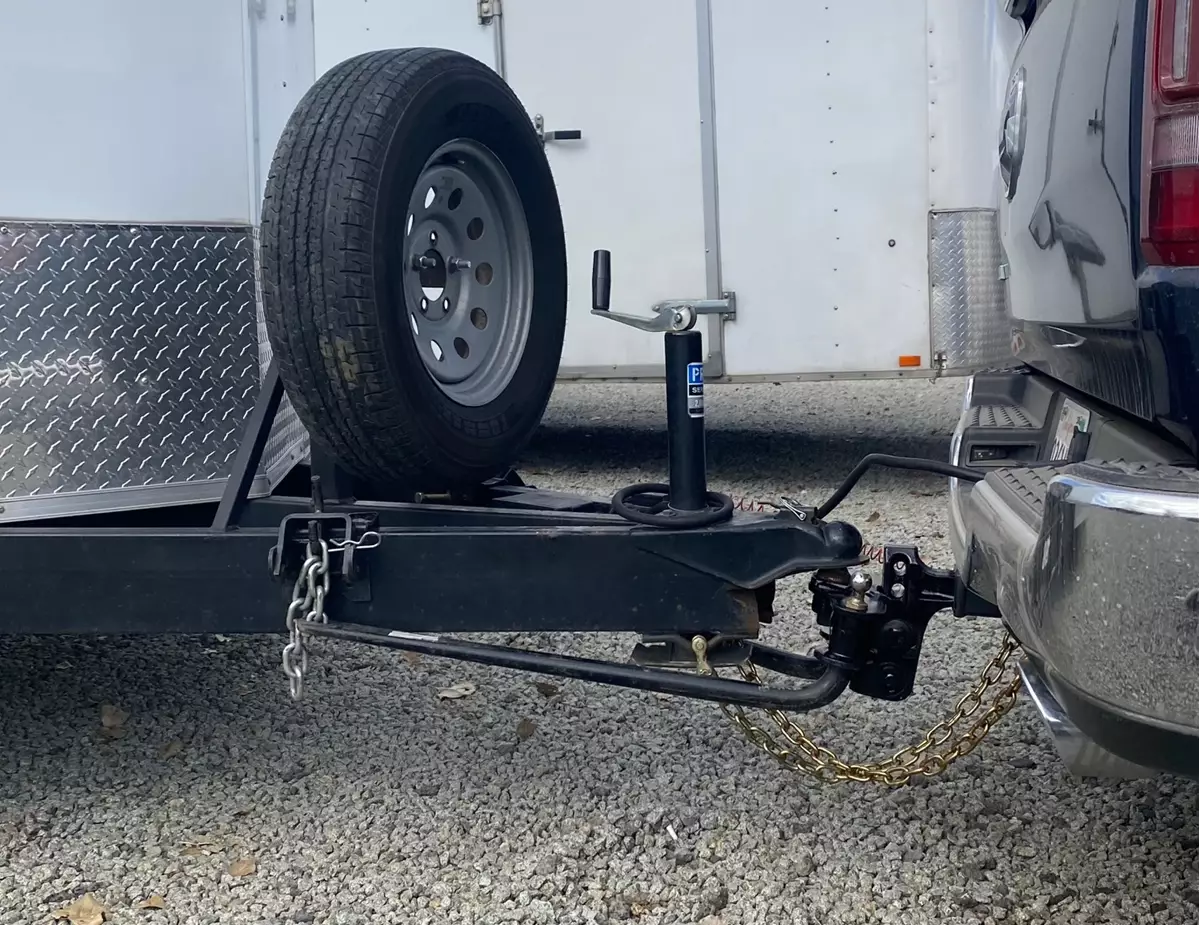
When you couple a heavy trailer, the tongue weight pushes down on the truck's rear axle. The rear suspension squats, the front lifts, and headlights aim at treetops. With the front axle unloaded, steering feels vague and stopping distances grow. A weight distribution hitch uses spring bars and chains or pre-tensioned arms to transfer some of that downward force back onto the trailer's axles and forward to the truck's front axle, restoring level ride.
The "weight transfer" doesn't reduce the actual tongue weight. It just routes the load to more axles. For the math behind what your trailer's tongue weight should be in the first place, see our flatbed tongue weight guide.
Sway Reduction Performance
The chart below ranks common weight distribution hitch styles by independent sway reduction effectiveness. Higher is better.
NeighborsTrailer.com
Sizing the Hitch to Your Trailer
Every weight distribution hitch has a rated trunnion or spring bar capacity. Match this rating to your trailer's actual tongue weight, not its maximum tongue weight or its GVWR. A hitch sized too small will fail to level the rig; one sized too large will ride harsh and transfer too much load. Most manufacturers recommend that your loaded tongue weight fall in the middle two thirds of the hitch's rated range.
The Four Main Hitch Styles
Round Bar Standard Hitches
Round bar hitches were the original weight distribution design. Two steel bars angle down from the hitch head and connect to lift brackets on the trailer A-frame. Cheap, simple, and proven, they handle weight transfer well but have minimal built-in sway control. Add-on friction sway controllers can supplement, but the system is showing its age compared to integrated alternatives.
Trunnion Bar Hitches
Trunnion bar hitches use the same concept but route the spring bars horizontally rather than angling them down. This raises ground clearance and slightly improves weight transfer efficiency. Trunnion designs are common on modern medium-duty setups and retain the option to add separate sway controllers.
Equalizer 4-Point Hitches
The Equalizer 4-point design integrates sway control into the hitch head itself. Steel-on-steel friction between the head and spring bars resists sway naturally without separate accessories. The four contact points (two at the head, two at the bracket) give consistent performance and a clean look. This is one of the most popular all-in-one designs on the market.
Andersen No-Sway and Reese Strait-Line
Modern premium hitches like Andersen No-Sway and Reese Strait-Line use pre-tensioned chains, ball-friction systems, or rigid linkages to deliver near-active sway control. They're lighter, quieter, and easier to install than older friction-based systems. The trade-off is cost: expect to spend 30 to 50 percent more than entry-level round bar systems. For more on how these systems pair with anti-sway accessories, our spring towing prep guide covers complementary checks.
Hitch Type Comparison
| Hitch Style | Capacity Range (lbs) | Sway Control | Relative Cost |
| Round Bar Standard | 500 to 1,200 | Add-on friction unit | Low |
| Trunnion Bar | 800 to 1,500 | Add-on friction unit | Low-Mid |
| Equalizer 4-Point | 600 to 1,400 | Integrated (friction) | Mid |
| Andersen No-Sway | 600 to 1,400 | Integrated (ball friction) | Mid-High |
| Reese Strait-Line | 800 to 1,700 | Integrated (dual-cam) | High |
Installation and Setup
Installation is straightforward but unforgiving. The hitch head, ball, and spring bars must be installed at heights that produce level fender measurements front-to-back when the trailer is fully loaded. Most setup errors come from skipping the measurement step, where you record the truck's front and rear fender heights before coupling, then verify they return to the same readings after the spring bars are tensioned. If the front fender height drops more than half an inch, the system isn't transferring enough load.
Real World Use Cases
If you tow a tandem axle utility trailer under 5,000 pounds GVWR with light tongue weight, you probably don't need a weight distribution hitch at all. If your trailer is 5,000 to 10,000 pounds GVWR with the truck's tongue weight rating maxed, you'll feel the difference immediately. Above 10,000 pounds GVWR, a quality weight distribution system isn't optional, it's the price of admission for safe highway towing.
Frequently Asked Questions
Do I still need a sway control bar?
If your weight distribution hitch has integrated sway control, no. If it's an older round bar or trunnion bar design without integrated sway control, add a friction sway controller for any trailer over 5,000 pounds GVWR.
Can I use a weight distribution hitch with a surge brake trailer?
Most modern integrated sway systems can interfere with surge brake actuation, since the friction prevents the trailer's coupler from compressing freely. For surge brake trailers, stick with round bar or trunnion bar designs and let the brake actuator work as designed.
How long does setup take?
Initial setup takes 60 to 90 minutes the first time. After the height and tension settings are dialed in, day-to-day hookup adds about three to five minutes to your normal coupling routine.
Will a weight distribution hitch let me tow more weight?
No. It improves how the existing weight is distributed and how the rig handles, but it does not raise your truck's tow rating, hitch class rating, or trailer's GVWR. Stay within all original ratings.
Are weight distribution hitches required by law?
Some states require them above certain trailer weights or tongue weight thresholds. Check your state DMV's towing regulations to be sure, particularly if you tow over 6,000 pounds GVWR.
Final Recommendation
For most everyday towing, an integrated sway control hitch in the Equalizer or Reese Dual-Cam family delivers the best balance of cost, effectiveness, and ease of use. For premium setups and frequent long hauls, Andersen No-Sway or Reese Strait-Line are worth the upgrade. Pick the capacity that matches your real loaded tongue weight, install it carefully, and verify ride height before the first trip. Renters on Neighbors Trailer can filter listings by trailer weight and tongue specs to find hauls that fit their existing tow setup, or to identify when a weight distribution hitch is the right next purchase.
Related Articles
- Enclosed Trailer Weight Distribution Hitch Guide
- Cargo Trailer Weight Distribution Guide
- Box Trailer Weight Distribution Hitch
- Cargo Trailer Rental Sway Control Hitch
Content updated May 2026