

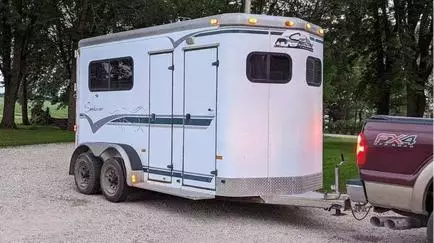
10 Reasons to Get Rumber Flooring in Your Horse Trailer
 Neighbors Trailer
Nov 8, 2023 777 7 min read trailer rental in Texas, rumber floorin
If you own or rent a horse trailer, the floor under your animal's hooves is one of the most important parts of the rig. Wood rots, pure rubber mats slide, and aluminum can be slick and unforgiving. Rumber flooring (a composite of recycled rubber and plastic) has become the go-to upgrade for owners who want a surface that lasts longer, drains better, and gives horses a confident foothold mile after mile.
This 2026 guide breaks down what rumber actually is, how it stacks up against the alternatives, what it costs to install, and whether the upgrade pays for itself over the life of your trailer.
What Is Rumber Flooring?
Rumber is a brand-name composite material made from recycled rubber and plastic, engineered specifically for high-impact, high-moisture environments like livestock trailers. The planks are typically 1.25 to 1.5 inches thick, lock together with a tongue-and-groove edge, and bolt directly to the trailer's cross members.
Unlike pure rubber mats laid over a wood deck, rumber replaces the wood entirely. There is no second layer to absorb urine, no boards to rot, and no gap between the deck and the matting where moisture and dirt can hide.
How Rumber Compares to Other Floor Types
Most horse trailers ship from the factory with one of three floor types: pressure-treated wood, aluminum, or wood with rubber mats. Each has tradeoffs in weight, drainage, traction, and lifespan. Rumber sits at the higher end of the price range but consistently outperforms the others on the metrics that matter most for horse safety.
The Real Benefits of Rumber Flooring
Longer Service Life
Wood floors typically need replacement every 7 to 10 years, sooner if the trailer is used heavily or stored outdoors. Aluminum floors last longer but can pit and corrode from urine. Rumber, by contrast, is designed for a 25-plus year service life because it does not rot, rust, or absorb moisture.
Better Traction for Horses
The textured surface of rumber gives horses better grip on loading and unloading, and during sudden stops on the road. This matters especially for older horses, foals, and any animal that gets nervous loading. Slick aluminum or worn rubber mats are a real injury risk; rumber removes that risk almost entirely.
Shock Absorption
Rumber's composite makeup absorbs road vibration far better than wood or aluminum. Long hauls put serious stress on a horse's joints, and a softer floor reduces fatigue and the risk of arrival lameness. Veterinarians who haul performance horses cite this as one of the biggest reasons they upgrade.
Drainage and Sanitation
Rumber planks are designed with slight channels that direct urine and water toward the drain points. Combined with the non-absorbent material, this means urine flushes off rather than soaking in. Cleanup is faster, and the trailer interior stays significantly less odorous.
What It Costs and How Long Installation Takes
Rumber is not cheap. Material costs vary by trailer size, but expect to spend a noticeable amount per square foot compared to replacing wood. The full cost picture, however, depends on whether you do the install yourself or pay a shop.
| Trailer Size | Material Cost (Rumber) | Pro Install Labor | Total Estimated Cost |
| 2-Horse Bumper Pull | $1,200 to $1,800 | $400 to $700 | $1,600 to $2,500 |
| 3-Horse Slant Load | $1,800 to $2,400 | $600 to $900 | $2,400 to $3,300 |
| 4-Horse Gooseneck | $2,400 to $3,200 | $800 to $1,200 | $3,200 to $4,400 |
| 6-Horse Living Quarters | $3,500 to $4,800 | $1,200 to $1,800 | $4,700 to $6,600 |
Lifecycle Cost Comparison
The chart below shows the estimated 25-year cost of ownership for each flooring type on a 3-horse slant-load trailer, including replacement and major repairs. Rumber has the highest upfront cost but the lowest lifecycle cost because it does not need to be replaced.
NeighborsTrailer.com
Installation: DIY or Pay a Shop?
Rumber installation is mechanically straightforward (plank, drill, bolt, repeat) but it requires removing the old floor, inspecting the cross members, and using the right fasteners. A 3-horse trailer takes a competent DIYer 6 to 10 hours. A shop will charge for the same work but inspect the frame at the same time, which is worth doing on any trailer over 10 years old. If you plan to keep the trailer long-term, this is the kind of upgrade that pairs well with a thorough trailer deck surfacing review.
What to Inspect While the Floor Is Out
The floor-out window is your one chance to inspect the cross members, frame welds, and drain holes without spending extra labor. Look for cracked welds, frame rust, plugged drains, and any signs of soft spots or rot in the wood you are removing. Address everything you find before you put the new floor down.
When Rumber Is Not the Right Call
Rumber is not for every owner. If your trailer is at the end of its life and you plan to replace it within a few years, the upfront cost will not pay back. Lighter trailers may also be sensitive to the added weight rumber adds versus aluminum (rumber is heavier than bare aluminum, lighter than wood plus mats). And for show trailers used a few times a year on smooth roads, the shock absorption and drainage advantages may not justify the price. Always check your trailer towing capacity before adding any weight to your rig.
Renting a Horse Trailer with a Quality Floor
If you only need a horse trailer occasionally, renting is often the smarter move. You get access to a maintained trailer (many of which already have rumber or upgraded mats) without the capital outlay. Neighbors Trailer's peer-to-peer marketplace lets you filter by trailer features, including flooring type, so you can pick a rig with the surface you trust your horses on.
Frequently Asked Questions
How long does rumber flooring last?
Manufacturer service life is 25 years or more under normal use. Many owners report no measurable wear after a decade of regular hauling.
Is rumber heavier than wood?
Rumber is comparable in weight to wood plus rubber mats, slightly heavier than bare wood, and noticeably heavier than aluminum. The difference is rarely significant for tow vehicles within their rated capacity.
Can I install rumber over my existing wood floor?No. Rumber is a structural floor and should always replace the existing deck. Layering it over wood traps moisture and defeats the drainage benefit.
Does rumber require any special cleaning?
No. A standard pressure wash and mild detergent rinse is enough. The non-porous surface does not stain or hold odors the way wood does.
Is the upfront cost worth it?
For owners who plan to keep the trailer 10 or more years, yes. The lifecycle math favors rumber heavily once you account for replacement wood floors and lost trailer time during repairs.
Final Take
Rumber is the long-game choice. The upfront cost stings, but for horse owners who plan to keep their trailer for the long haul, the combination of horse safety, drainage, and longevity makes it the smartest single upgrade you can do to a horse trailer floor. Pair it with a frame inspection, fresh fasteners, and good maintenance habits, and your trailer floor will outlast almost everything else on the rig.
Related Articles
- Horse Trailer Rental Towing Guide
- Horse Trailer Towing Precautions Every Owner Should Know
- Horse Trailer Maintenance Tips
- Will an Aluminum Trailer Develop Rust
Content updated May 2026