

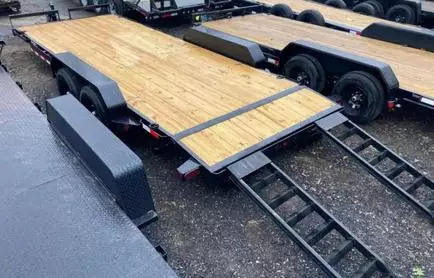
Flatbed Trailer Rental Insurance Facts (2026 Guide)
 Neighbors Trailer
Oct 18, 2023 891 7 min read flatbed trailer rental insuranc
Renting a flatbed trailer is one of the most affordable ways to move heavy or oversized loads, but the insurance side of the transaction trips up plenty of first-time renters. Who is liable if something rolls off the deck? What happens if a strap snaps in transit? Does your auto policy cover a borrowed flatbed at all? This guide answers those questions in plain English so you can rent with confidence and avoid the most common claim disputes in 2026.
Flatbed trailers are open-deck workhorses, which means cargo is exposed to weather, road debris, and shifting risk. That changes the insurance math compared to enclosed units, and the rental insurance options worth knowing reflect that.
Why Flatbed Insurance Is Different
Two things make flatbed rentals unique from an underwriting perspective. First, the cargo is visible and unsecured by walls, which raises the chance of damage to property below or beside the load if anything shifts. Second, flatbeds are commonly used for commercial-style loads, equipment, lumber, building materials, motorcycles, that carry higher replacement costs than the average household move. Insurers price flatbed coverage with both factors in mind.
Compare that to a covered cargo trailer where the load is sealed inside a box, and you can see why flatbed daily premiums often run 15% to 30% higher than enclosed equivalents.
The Five Coverage Layers Every Renter Should Understand
1. Liability Coverage
This pays for damage you cause to other vehicles, property, or people while towing the trailer. In most US states, your auto policy's liability coverage automatically extends to a trailer you are towing, but the limits remain the same. If you carry only state-minimum auto liability ($25,000 in many states), that is also all that is protecting you while pulling a flatbed.
2. Physical Damage / Collision
This covers damage to the trailer itself if you crash, jackknife, or hit something. Auto policies generally do not extend collision coverage to non-owned trailers, which means you are on the hook for repair or replacement unless the rental platform or owner provides physical damage coverage.
3. Cargo Coverage
This is separate from trailer damage and covers the items you are hauling. Lumber, motorcycles, ATVs, equipment, and similar high-value cargo benefit from explicit cargo coverage. Most personal auto policies do not cover cargo on a non-owned trailer.
4. Comprehensive Coverage
Pays for non-collision damage like theft, vandalism, hail, fire, or falling objects. Particularly useful for multi-day flatbed rentals when the unit may sit at a job site overnight.
5. Peer-to-Peer Marketplace Bundles
Modern peer-to-peer rental platforms offer bundled coverage that includes liability, physical damage, and cargo protection in a single daily premium. This is usually the simplest option for renters because it removes the guesswork and prevents coverage gaps. Read our deeper guide on how peer-to-peer trailer insurance actually works for the full breakdown.
What Your Existing Auto Policy Likely Does and Does Not Cover
This is where most renters get burned. Quick reality check on a typical personal auto policy:
- Liability while towing: Usually covered, up to your existing auto liability limits.
- Damage to a non-owned trailer: Almost never covered automatically. You usually need a separate endorsement.
- Damage to cargo on the trailer: Almost never covered.
- Damage caused by improper loading or strapping: Often excluded entirely.
The takeaway: liability is usually fine, but physical damage and cargo are the big gaps. If you are renting a flatbed worth $5,000 to $15,000 and hauling a $12,000 motorcycle, the coverage gap can be tens of thousands of dollars.
Coverage Comparison at a Glance
| Coverage Type | What It Covers | Avg Daily Cost | Best For |
| Liability Only | Damage to others' property or injury | $3 to $5 | Short, low-value, in-state hauls |
| Collision / Physical Damage | Damage to the trailer itself | $5 to $9 | Mid-distance hauls or older units |
| Cargo Coverage | Damage or loss of items hauled | $5 to $10 | Equipment, motorcycles, building materials |
| Comprehensive | Theft, weather, vandalism | $8 to $15 | Multi-day rentals or job site stays |
| Marketplace Bundle | Liability + damage + cargo combined | $4 to $8 | Most casual renters; simplest setup |
Daily Premium Snapshot
Here is how the typical daily premium for each layer compares for a 16-foot flatbed in 2026. Numbers are national averages from peer-to-peer platforms and traditional commercial trailer policies.
NeighborsTrailer.com
The marketplace bundle wins for most renters because the combined liability, physical damage, and cargo coverage costs roughly the same as a single standalone layer purchased a la carte. That is the reason most peer-to-peer flatbed rentals now ship with bundled coverage by default.
Common Claim Scenarios on Flatbed Rentals
Real-world claim examples that most renters do not anticipate:
- Cargo shifts and damages another vehicle: Liability covers the other vehicle, but only up to your auto policy's limit.
- A strap snaps and a piece of plywood blows off: Whatever the plywood hits is covered by liability; the plywood itself is cargo.
- Tire blowout punctures the trailer fender: Physical damage on the trailer; not covered by your auto policy.
- Trailer rolls into a fence at a job site: Liability covers the fence; physical damage covers the trailer.
- Theft of trailer overnight: Comprehensive coverage required, otherwise the renter eats the loss.
How to Make Sure You Are Covered Before Pickup
Before you take possession of a flatbed rental, run this five-point check:
- Confirm in writing what coverage layers the rental includes (liability, physical damage, cargo).
- Note the deductible for each layer.
- Call your auto insurer and confirm trailer towing liability extends to the rental.
- Document the trailer's condition with photos and timestamps before driving away.
- Verify cargo coverage limits if hauling anything worth more than $5,000.
For step-by-step help vetting a rental's coverage, see our guide on finding a trailer rental that comes with proper insurance before you book.
Frequently Asked Questions
Does my auto insurance cover a rented flatbed trailer?
Liability typically extends from your auto policy to a trailer you are towing, but physical damage to the trailer and cargo coverage almost never extend automatically. Verify with your insurer in writing.
Is cargo on a flatbed automatically covered?
No. Cargo coverage is a separate layer on most policies. Personal auto policies generally exclude cargo. If you are hauling anything valuable, get explicit cargo coverage.
How much does flatbed rental insurance cost?
Daily premiums in 2026 typically run $3 to $15 depending on coverage layers. Bundled marketplace coverage averages $4 to $8 per day for liability plus physical damage plus cargo combined.
What is the typical deductible on a flatbed rental policy?
Deductibles range from $250 to $1,500 depending on the platform and coverage tier. The deductible applies before the policy pays, so always check it before you book.
Do I need commercial coverage if I am hauling business equipment?
Often yes. If the haul is for business use, personal auto policies usually exclude the trip entirely. Many peer-to-peer platforms offer commercial-friendly coverage tiers.
The Bottom Line on Flatbed Insurance
Flatbed rentals are great value when you understand the coverage stack and great regret when you do not. Liability usually extends from your auto policy, but physical damage and cargo are the gaps that bite renters most often. Bundled marketplace coverage is the simplest, lowest-friction way to close those gaps for less than the price of a sandwich per day. Read the fine print, document the trailer at pickup, and confirm coverage in writing. That is the difference between a smooth haul and a five-figure surprise.
Related Articles
- Peer-to-Peer Trailer Rental Insurance Explained 2026
- Why Get Trailer Rental Insurance
- How to Find a Trailer Rental With Insurance
- Trailer Rental Guide: How to Choose the Right Flatbed Trailer Rental
Content updated April 2026