

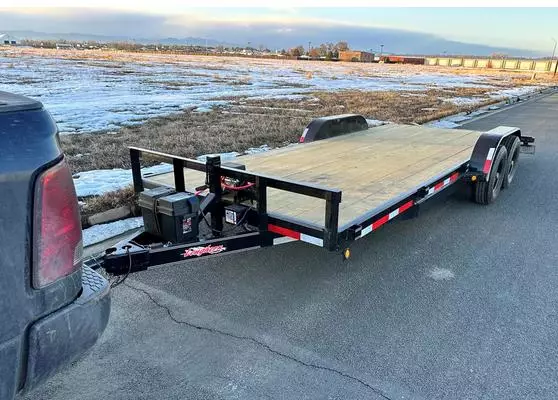
Can My Truck Insurance Policy Cover a Flatbed Trailer Rental?
 Neighbors Trailer
Oct 8, 2023 418 6 min read trailer rental insuranc
Whether you are renting a flatbed trailer for a single weekend project or listing one to share with neighbors, insurance is the part of the conversation most people skip until something goes wrong. Understanding how coverage works before you hook up saves money, headaches, and a lot of paperwork later.
This guide breaks down the practical insurance questions that come up around flatbed trailer rentals: what your auto policy probably does and does not cover, what owners should know about protecting their equipment, and the documentation that keeps a claim from turning into a dispute.
Does Your Auto Policy Cover a Flatbed Trailer Rental?
Most personal auto policies extend liability coverage to a trailer that is hitched to your insured vehicle, but the specifics vary by carrier and state. Liability typically covers damage you cause to other people or their property, not damage to the trailer itself. Physical damage to the trailer requires either a separate trailer rider on your auto policy or comprehensive and collision listed specifically for the trailer.
Before you sign a rental agreement, call your agent and ask three direct questions. Does my liability extend to a non-owned, towed trailer. Is there physical damage coverage on the trailer itself. What is my deductible if I file a trailer claim.
Common gaps in personal auto coverage
- Damage to the rented trailer when it is parked and disconnected from the tow vehicle
- Theft of the trailer or items stored inside
- Cargo carried on the trailer, which usually needs a separate inland marine or moving policy
- Commercial use, which most personal policies exclude entirely
- Drivers under 25 or with recent moving violations, which can void claims
What Trailer Owners Should Know About Insuring a Listing
If you own a flatbed trailer and rent it through a peer-to-peer marketplace, your homeowners or auto policy almost certainly will not cover commercial rental activity. Owners who list a trailer should review their existing policies and ask the carrier in writing how rental use changes coverage. Some carriers require a commercial endorsement, others may decline entirely.
Documentation is the owner's best friend. Photographing the trailer at every handoff, recording the renter's license and insurance details, and keeping a maintenance log makes a claim straightforward and defensible.
Types of Coverage That Apply to Flatbed Trailer Rentals
The insurance world uses several overlapping terms. Knowing what each one does helps you ask the right questions when you call your agent.
| Coverage Type | What It Covers | Who Usually Needs It | Typical Source |
| Liability | Bodily injury and property damage to others | Renter | Auto policy extension |
| Physical Damage | Damage to the trailer itself | Owner or renter | Trailer rider or marketplace plan |
| Comprehensive | Theft, fire, weather, vandalism | Owner | Trailer rider |
| Cargo / Inland Marine | Items being hauled | Whoever owns the cargo | Separate cargo policy |
| Commercial Liability | Business use of the trailer | Owners listing for rent | Commercial auto policy |
If you are renting through a peer-to-peer platform, ask the platform what damage and liability coverage is automatically included with the booking and what additional limits are available. Reading the booking agreement before pickup, not after a problem, is the single best move you can make.
The Most Common Insurance Claims on Flatbed Trailer Rentals
Claims data from rental marketplaces and trailer dealers shows that a small handful of incident types dominate the picture. Knowing what tends to go wrong helps you prepare and pick the right coverage.
NeighborsTrailer.com
Tire failures and cargo shifting top the list, both of which are largely preventable with good prep. Reading common towing mistakes to avoid before your trip is one of the easiest ways to keep your name off this chart entirely.
What to Do If Something Goes Wrong
If you damage a flatbed trailer rental, hit something with it, or experience a theft, the order of operations matters. Acting fast and documenting carefully usually means a faster claim payout and a smoother return process.
Step-by-step after an incident
- If anyone is hurt or property is damaged, call 911 first and file a police report
- Take photos of the trailer, tow vehicle, surrounding scene, and any other vehicles involved
- Exchange insurance information with any third parties
- Notify the trailer owner or marketplace within 24 hours, ideally immediately
- File a claim with your auto carrier and keep a written log of every call and email
- Save receipts for any temporary repairs, towing, or hotel costs that resulted from the incident
Skipping a step, especially the police report, can leave you holding the bill even when coverage technically applied. Trailer safety best practices reduce your chance of needing this list, but it is worth bookmarking just in case.
Frequently Asked Questions
Will my regular car insurance cover a flatbed trailer rental?
Most personal auto policies extend liability to a trailer being towed by your insured vehicle. Physical damage to the trailer itself usually requires extra coverage. Call your agent before you book to confirm.
Do I need rental insurance to rent a flatbed trailer from a neighbor?
Peer-to-peer trailer rental platforms typically include some level of damage and liability protection with each booking. Read the booking agreement carefully and ask about deductibles and exclusions before you pick up the trailer.
What if I am hauling expensive cargo on the trailer?
Cargo is rarely covered by either auto insurance or trailer rental protection. If you are moving valuable items, ask about inland marine or moving cargo coverage, or use a homeowners policy rider for personal belongings.
Can I be sued personally if I cause an accident with a rented flatbed trailer?
Yes. Liability coverage helps pay for damages, but it does not protect you from being named in a lawsuit. Higher liability limits and an umbrella policy give you a thicker safety net if a claim exceeds your standard coverage.
How does insurance work if I rent out my own flatbed trailer?
Most personal policies exclude commercial or rental activity. Owners listing a trailer for rent should ask their carrier about commercial endorsements or stand-alone trailer insurance. Some marketplaces include damage protection for the booking window itself.
The Bottom Line on Flatbed Trailer Rental Insurance
Insurance is rarely the most exciting part of a rental, but it is what stands between a small mishap and a financial mess. Spend ten minutes with your agent before booking, read the rental agreement before pickup, and document everything during the rental period. Those three habits handle 95 percent of insurance friction before it ever starts. Need a flatbed trailer near you? Learn how to choose the right flatbed trailer rental for your specific job.
Related Articles
- How to Choose the Right Flatbed Trailer Rental
- Essential Safety Tips for Using a Flatbed Trailer Rental
- Towing Mistakes to Avoid With a Flatbed Trailer Rental
- Preparing Your Flatbed Trailer for Safe Towing in the Spring
Content updated April 2026