Things To Consider When Renting a Dump Trailer for Your Job Site
 Neighbors Trailer
Oct 12, 2023 363 7 min read dump trailer re
If you run a contracting business, manage a job site, or tackle large cleanout projects, you have probably already learned that pickup trucks alone are not built for the volume of debris a real worksite generates. A dump trailer rental closes that gap. It gives you the carrying capacity, the unloading speed, and the daily flexibility a busy crew needs, without forcing you to buy and maintain a piece of equipment you only use part of the year.
This guide walks through what makes dump trailers the right choice for job sites, what to look for when renting one, and how to choose the right size for your project. By the end, you will know exactly how to book a unit that fits your workload and your budget.
Why Job Sites Run Better With a Dump Trailer
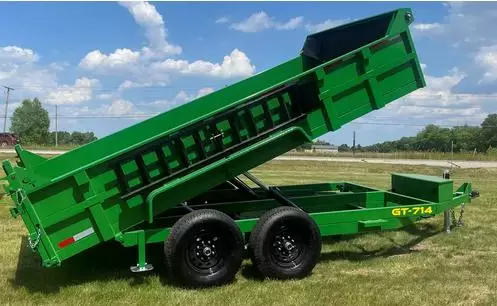
The biggest advantage of a dump trailer is hands-off unloading. Instead of having a crew shovel out a flatbed or pickup, the hydraulic lift tilts the bed and dumps the load in seconds. On a roofing tear-off or a demolition job, that single feature can save hours per day and reduce the risk of back injuries on the crew.
Dump trailers also handle a wider range of materials than you might expect. Shingles, drywall, broken concrete, dirt, gravel, branches, scrap lumber, and old fencing all load and dump the same way. Many models include removable side rails or rear barn doors, which makes loading from a skid steer or compact loader straightforward. For a deeper look at how a dump trailer compares to other waste solutions, see our breakdown on dump trailer rentals versus dumpster and junk service options.
Choosing the Right Dump Trailer Size
Picking the right size is the difference between making one trip a day and making four. Trailers are usually sized in cubic yards, and the most common rentals fall between 5 and 14 cubic yards. A small landscaping cleanup might fit in a 5 yard unit, while a roofing tear-off or a multi-day demolition often calls for 12 yards or more.
Use the table below to match common job types to a recommended trailer capacity.
| Job Type | Recommended Capacity | Typical Materials | Crew Size |
| Residential Roofing Tear-Off | 10 to 14 cubic yards | Shingles, underlayment, nails | 3 to 5 |
| Small Demolition | 12 to 16 cubic yards | Drywall, framing, fixtures | 4 to 6 |
| Landscaping Cleanout | 5 to 8 cubic yards | Branches, sod, mulch | 2 to 3 |
| Concrete or Dirt Hauling | 7 to 10 cubic yards | Broken concrete, soil, gravel | 2 to 4 |
| Spring Property Cleanout | 5 to 7 cubic yards | Furniture, yard waste, scrap | 1 to 3 |
Always round up if you are between sizes. Paying a few dollars more for the next size up is almost always cheaper than booking a second day or making an extra trip to the transfer station.
How Often You Will Actually Dump
One question contractors often miss before booking is how many round trips a project will require. A roofing job on a 2,500 square foot home generates roughly 4 to 5 tons of debris, which usually fills a 12 yard trailer once. A two-day light demolition can generate 7 to 9 loads. The chart below gives you a realistic baseline for project planning.
NeighborsTrailer.com
Booking Tips That Save Money
Most experienced contractors book dump trailers on a daily or weekly rate, but there are a few decisions that move the math in your favor. Our rental-cost estimator shows current daily and weekly rates near you so you can benchmark a quote. When the trailer is needed for weeks rather than days, you can also post the job on Trailer Bid and have suppliers near the site each quote one complete total, which gives you several comparable numbers instead of a single price to judge alone.
Confirm the GVWR Before You Load
Trailer capacity in cubic yards is not the same as legal payload. Check the gross vehicle weight rating, subtract the empty trailer weight, and you have your real load limit. Concrete and dirt hit weight limits long before they fill the bed.
Match the Trailer to Your Tow Vehicle
A 14 yard dump trailer fully loaded can weigh more than 14,000 pounds. Make sure your truck, hitch, and brake controller can handle that. If you need a refresher, our dump trailer rental booking guide covers tow vehicle requirements step by step.
Plan Drop and Pick-Up Times
Coordinate delivery with your crew schedule. Renting a trailer the day before you actually need it just costs you money. If you rent peer-to-peer through Neighbors Trailer, ask the owner about flexible drop times so the trailer arrives the morning your crew starts.
Keeping the Trailer in Good Condition
Dump trailers are workhorses, but they do need basic care during a rental. Sweep loose debris before the hydraulic ram lifts the bed, since stray nails and metal shards can wedge into seals over time. Always lower the bed before driving away from the dump site, and confirm the rear doors latch fully. For more on returning a trailer in good shape, our guide on cleaning a dump trailer rental properly walks through every step.
Renting Peer-to-Peer Versus a Big Box Yard
Big box rental yards offer convenience, but the daily rate is often 30 to 50 percent higher than a comparable peer-to-peer rental. On Neighbors Trailer, you book directly with a local owner, so you skip the corporate markup and often get a newer, better maintained unit. Owners on the platform set their own pricing, which gives you room to filter by daily rate, capacity, and availability windows that fit your project. Renters must be at least 21 years old, and bookings are processed through a secure checkout with payouts handled in 2 to 3 business days through Stripe for owners.
Frequently Asked Questions
How much does it cost to rent a dump trailer for a day?
Daily rates typically range from $90 to $250, depending on capacity, region, and demand. A 7 to 10 yard unit usually sits in the middle of that range. Weekly rates often work out to roughly four daily rates, so longer projects benefit from booking the full week up front.
Do I need a special license to tow a dump trailer?
For most personal and small commercial use, a standard driver license is enough. Larger trailers above 10,000 pounds combined weight may require a commercial endorsement in some states. Confirm local rules before booking.
Can a half-ton truck pull a loaded dump trailer?
A 5 to 7 yard trailer with a moderate load is usually fine behind a half-ton truck, provided the truck has a tow package, a brake controller, and an appropriate hitch class. For 10 yards or more, a three-quarter ton truck is the safer choice.
Where can I dump the load?
Most counties operate transfer stations or construction debris yards that accept loads from contractors and homeowners. Bring proof of identification, and call ahead for accepted material types and tipping fees.
Do I need extra coverage for a peer-to-peer trailer rental?
Most renters rely on a combination of their existing auto policy and any platform-level options at checkout. Always confirm coverage details with the owner during booking.
Conclusion
Renting a dump trailer is one of the simplest ways to make a job site faster, safer, and more profitable. The key is matching the trailer size to the actual volume of material your crew is moving, planning your dump runs around the workday, and choosing a rental partner who offers transparent pricing and well maintained equipment. Whether you are a contractor handling weekly tear-offs or a homeowner tackling a once-a-year cleanout, a peer-to-peer dump trailer rental gives you the capacity of professional gear without the long-term ownership costs.
Related Articles
- Dump Trailer Rental for Roofing Projects
- Easy Waste Disposal With a Dump Trailer Rental
- Dump Trailer Rental Upgrades Worth Considering
- Why a Dump Trailer Rental Is Perfect for Spring Cleaning
Content updated April 2026