

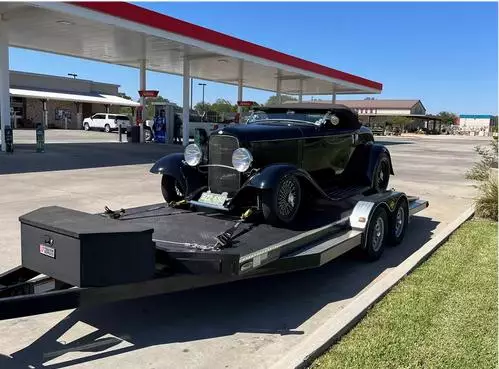
How to Safely Transport a Classic Car on a Car Trailer
 Neighbors Trailer
Sep 19, 2023 856 8 min read Car trailer ren
A classic car is more than transportation. It is chrome, history, a long weekend restoration, and a reputation you have built at every show the car has ever attended. Moving a vintage vehicle across town or across three states calls for a different kind of care than moving a late model commuter. A car trailer rental, paired with the right tow vehicle and a careful plan, is the safest and most affordable way to get your classic where it needs to be without adding a single mile to the odometer.
This guide walks through choosing the right car trailer for a classic, planning the load, and handling the drive. If you are comparing tow options, our breakdown of car trailer rental vs tow dolly covers why a full trailer is almost always the right call for a vintage vehicle.
Why Classic Cars Deserve a Dedicated Trailer
Classic cars were built to different tolerances than modern vehicles. Older rubber seals, single circuit brake systems, vacuum advance distributors, and carbureted fuel systems all behave differently at highway speed than on a Sunday drive around the neighborhood. Towing the car on a full trailer keeps all four wheels off the ground, isolates the drivetrain, and protects a restoration from the mile after mile wear that long drives would cause.
A rollback or open car hauler also puts the car in a controlled environment for weather, road debris, and anyone who might be tempted to get too close at a rest stop. The car arrives looking the way it left. That is the whole point.
The Hidden Math of Driving a Classic
Every 100 miles of highway driving on a 50 year old car represents a meaningful percentage of its total expected life. Clutches, seals, belts, and bushings age twice on long hauls, once from heat and once from cycles. A trailer turns those miles into zero miles on the odometer, which matters both for mechanical longevity and for the car's resale value when show judges look at documentation.
Matching the Trailer to the Classic
Classic cars come in every shape and weight class, from a 1,700 pound MG Midget to a 4,800 pound early 70s Cadillac. The trailer you rent should match the car's wheelbase, ground clearance, and weight. Our car hauler calculator matches deck length and axle rating to your classic’s weight and wheelbase. The table below summarizes what to look for.
| Car Type | Typical Weight | Recommended Trailer | Key Feature to Ask About |
| British sports car (MG, Triumph) | 1,700 to 2,400 lbs | 16 ft single axle open | Low approach angle ramps |
| Muscle car (Camaro, Mustang, Challenger) | 3,200 to 3,800 lbs | 18 to 20 ft tandem axle | Extended ramps for low splitter |
| Full size classic (Impala, Bonneville) | 3,800 to 4,600 lbs | 20 ft tandem axle with brakes | Wide wheel wells |
| Show car with trailer queen tires | Varies | Enclosed car hauler | E-track, tire straps, interior lighting |
Enclosed car haulers add cost but protect paint, chrome, and interior from weather and rocks. If the classic is headed to a judged show, the enclosed trailer almost pays for itself through preserved detail.
Loading a Classic Without a Scratch
Loading is the most nerve-racking part of the trip, especially for a car that sits low or has a restored undercarriage. Take your time, use a spotter, and never rely on the parking brake alone while loading. Low splitters, front air dams, and headers can catch the ramp, so always measure approach clearance before the car rolls up. Our car loading clearance calculator tells you whether your car clears the ramp angle before you load.
Tie Down Strategy for Classics
Wheel net tie downs are the gold standard for a classic because they do not pull on the suspension or the body. Axle chains can damage a painted frame rail, and straps that compress the suspension can accelerate wear on shocks and bushings on a long trip. For deep detail on securing the car, our guide on car trailer rental tie down methods walks through the four corner system used by professional transporters.
NeighborsTrailer.com
Tow Vehicle Considerations
A 3/4 ton or larger pickup is the most versatile tow vehicle for a classic because it handles the combined trailer plus car weight with a safe margin. Half ton trucks can tow smaller classics on shorter single axle trailers, but owners of larger cars should plan on a heavier rig. Brake controllers are non negotiable on tandem axle car haulers, which use electric brakes to keep stopping distance reasonable.
Pre Trip Checklist
Before leaving the driveway, confirm tire pressure on the tow vehicle and the trailer, verify all four tie downs, and check that lights on the trailer match the signals on the truck. A quick walk around every 100 miles is cheap insurance against a strap that has worked loose.
Booking Your Classic Car Trailer Through a Marketplace
Peer to peer platforms like Neighbors Trailer make renting the right trailer simple. You can filter by size, see reviews from other classic car owners, and coordinate pickup with a local owner who already knows the venue you are headed to. All bookings require renters to be at least 21 and include coverage at checkout, which is exactly the kind of simplicity a weekend auto show deserves.
Enclosed vs Open for a Show
If you are driving to a regional Cars and Coffee, an open trailer is usually more than enough. Headed to Pebble Beach, Amelia Island, or a major national meet? Consider an enclosed hauler. The extra protection, storage for spare wheels and wax kits, and secure overnight parking make the event less stressful.
Pre Trip Inspection for Classic Car Transport
A classic car heading to a show, an auction, or a long-haul restoration shop deserves a longer pre-trip inspection than a daily driver. Walk around the trailer first: check tire pressure on every tire including the spare, look for sidewall cracks or dry rot from sitting, verify all running and brake lights work with the tow vehicle plugged in, and grease the coupler and ball. Inside the trailer, sweep the deck so loose gravel or screws cannot rattle into the underside of the classic during transit. Test the winch cable for fraying and the ramps for any structural cracks at the welds. Spending fifteen extra minutes on this inspection prevents the kind of mid-trip surprise that turns a relaxing show weekend into a roadside emergency.
Once the classic is loaded and strapped, do a short test drive of two or three miles before committing to the highway. Find an empty parking lot or quiet road and try a few stops, a couple of turns, and a brief acceleration to highway speed. Pull over and re-check the straps. Soft tires on the classic compress under tie-down tension, and the straps almost always need a second snug after the first few miles of travel. Look at the trailer hitch coupler to confirm it is still seated tight, walk around the trailer to check that nothing has shifted, and inspect each strap and chain. This second check catches the small problems that would otherwise become big ones a hundred miles down the road.
Frequently Asked Questions
How long should I rent a car trailer for a weekend show?
Three days is usually the sweet spot for a weekend event. That gives you Friday to load and travel, Saturday and Sunday at the show, and the return drive without last minute rush. For longer trips involving multiple stops, plan for five to seven days.
Can I tow a classic with my daily driver SUV?
Only if the SUV has a body on frame design, a factory tow package, and a tow rating that exceeds the combined car plus trailer weight with a safe margin. Most crossover SUVs are not the right tool for hauling a 3,500 pound classic on a steel trailer.
What if my classic has low ground clearance?
Ask the trailer owner about ramp length and approach angle before booking. Long ramps, beavertail decks, and low angle trailers all help low cars load without scraping. Enclosed car haulers with built in ramps often provide the gentlest approach.
Are tire straps safe for classics with original wheels?
Yes, tire straps are the preferred method for almost any classic because they do not pull on suspension components or paint. Inspect the straps for frayed stitching before each trip and replace any that look worn.
Should I drain fluids before trailering?
Not for trailer transport over normal road distances. Just make sure fuel is not overfilled, the parking brake is released on tie down, and the transmission is in the correct position per the owner's manual. Long term storage is a different discussion.
Drive With Confidence, Show With Pride
A classic car trailer rental is the bridge between your garage and the next show, auction, or buyer. Choose a trailer that matches the car, load with patience and a spotter, and keep the tow vehicle in its comfort zone. The day of the event is far more enjoyable when the car arrives exactly the way it left and you are not worrying about the drive home.
Related Articles
- Car Trailer Rental vs Tow Dolly
- Car Trailer Rental Tie Down Guide
- Top Car Shows to Take Your Classic With a Car Trailer Rental
- Car Trailer Rental Booking Tips
Content updated April 2026