

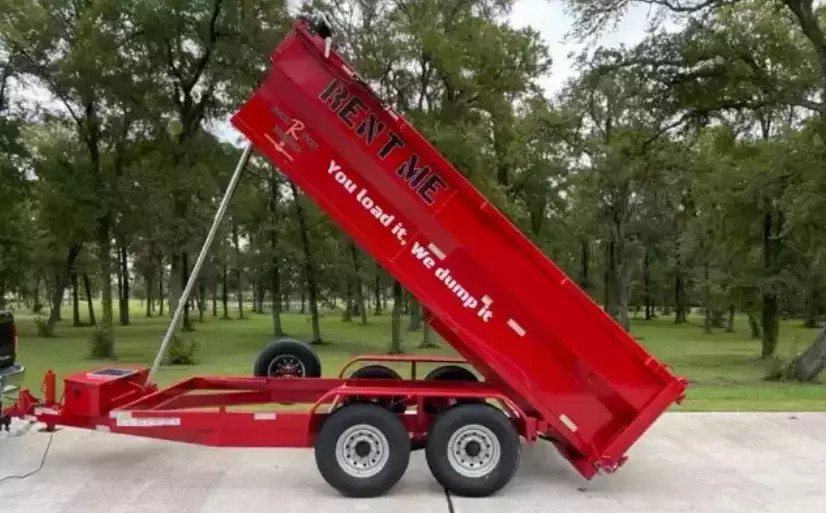
Is a Dump Trailer a Good Investment?
 Neighbors Trailer
Jan 20, 2023 1167 10 min read
A dump trailer is one of the most versatile pieces of equipment you can own. From hauling gravel and mulch to clearing construction debris and managing landscaping projects, a quality dump trailer handles jobs that would otherwise require hiring expensive services or renting equipment repeatedly. But is buying one actually worth the investment? The answer depends on how you plan to use it, how well you maintain it, and whether you take advantage of the rental income potential that comes with ownership.
At NeighborsTrailer.com, we work with dump trailer owners and renters every day. We have watched owners turn their trailers into profitable assets and seen firsthand how the right purchase decision pays for itself many times over. This guide breaks down the true costs, the earning potential, and everything you need to evaluate before buying a dump trailer.
What a Dump Trailer Actually Costs
New dump trailers range widely in price depending on size, capacity, construction material, and features. A basic 5x8-foot single-axle bumper-pull dump trailer starts around $4,000 to $6,000. Mid-range 6x12-foot tandem-axle models with 10,000-pound capacity typically run $7,000 to $12,000. Heavy-duty 7x14-foot gooseneck dump trailers with 14,000-pound or higher ratings can cost $15,000 to $25,000 or more. Beyond the purchase price, factor in registration, insurance, and ongoing maintenance costs including hydraulic fluid, tires, bearings, and brake service.
Used dump trailers offer significant savings. A well-maintained three to five year old model typically sells for 40 to 60 percent of its original retail price. To check whether a specific listing is priced fairly, our trailer value estimator returns a market range for that exact age, size, and condition. When shopping used, inspect the hydraulic system thoroughly, check for frame cracks or rust, and verify that the dump mechanism operates smoothly under load. A trailer that looks good sitting empty might reveal problems when you actually try to raise a loaded bed.
The ROI Case for Dump Trailer Ownership
The investment math becomes clear when you compare ownership costs against rental expenses. Our dump-trailer buy-vs-rent breakdown pinpoints the break-even so you can see exactly when owning pays off. Dump trailer rentals typically cost $75 to $175 per day depending on size and location. If your business or personal projects require a dump trailer even two to three days per week, you are spending $600 to $2,100 per month on rentals alone. At that rate, a mid-range dump trailer pays for itself within six to twelve months of ownership.
Even occasional users benefit from ownership over time. Someone who rents a dump trailer ten times per year at $125 per day spends $1,250 annually. Over five years, that totals $6,250 in rental fees with nothing to show for it. A $8,000 dump trailer that retains 50 percent of its value after five years costs you a net $4,000 over the same period while being available whenever you need it without scheduling constraints or availability issues.
| Scenario | 5-Year Rental Cost | 5-Year Ownership Cost | Net Savings with Ownership |
| Light use (10 days/year) | $6,250 | $4,000 net | $2,250 |
| Moderate use (2 days/week) | $39,000 | $5,500 net | $33,500 |
| Heavy use (4 days/week) | $78,000 | $7,000 net | $71,000 |
| Business use with rental income | N/A | Profit of $8,000+ | Full ROI + profit |
Five-year cost comparison between renting vs. owning a dump trailer at various usage levels. Ownership costs include purchase price minus estimated resale value plus maintenance. Source: NeighborsTrailer.com
Choosing the Right Dump Trailer Size and Type
Dump trailers come in bumper-pull and gooseneck configurations. Bumper-pull models connect to a standard ball hitch on your tow vehicle and work well for loads up to about 10,000 pounds. They are easier to maneuver in tight spaces and can be towed by most full-size trucks and many mid-size trucks. Gooseneck dump trailers connect in the truck bed and handle heavier loads, often rated for 14,000 pounds or more. The gooseneck connection point provides better weight distribution and more stable towing but requires a gooseneck hitch installation in your truck bed.
Side wall height matters more than most buyers realize. Standard dump trailers come with 24-inch side walls, which work fine for heavy materials like gravel, sand, and dirt. If you plan to haul lighter but bulkier materials like mulch, brush, or demolition debris, consider a trailer with 36-inch or 48-inch side walls or add bolt-on side extensions. The extra volume means fewer trips and more productive workdays. Understanding how dump trailers compare to junk disposal services and dumpster rentals can also help you evaluate which solution fits your specific needs best.
Frame Construction and Durability
The frame is the backbone of any dump trailer, and construction quality directly affects longevity and resale value. Tubular steel frames offer the highest strength-to-weight ratio and resist twisting under heavy loads. They cost more upfront but typically outlast other frame types by years. I-beam frames provide solid performance at a lower price point and are the most common construction type in mid-range dump trailers. Channel iron frames are the most affordable but also the least durable under sustained heavy use.
Corrosion protection determines how long the frame lasts in real-world conditions. Hot-dip galvanized frames provide the best rust resistance because every surface gets coated, including the inside of the tubing. Powder-coated frames look great when new but can chip, allowing rust to start underneath. Spray-on bed liners inside the dump box protect against impact damage and corrosion from abrasive materials. Investing in corrosion protection during or immediately after purchase prevents thousands of dollars in frame repairs later. For guidance on keeping your trailer in top shape, our dump trailer cleaning guide covers the essential maintenance steps.
Hydraulic Systems and Mechanical Components
The hydraulic lift system is what separates a dump trailer from a standard utility trailer, and it is also the component most likely to need attention over time. Most dump trailers use a single hydraulic cylinder mounted at the front of the bed. Higher-end models may use a scissor-lift mechanism that provides more even lifting force and better stability when dumping heavy loads at full extension.
Check the hydraulic pump's power rating against the trailer's maximum load capacity. An undersized pump strains to lift heavy loads, leading to premature wear and eventual failure. The hydraulic fluid reservoir should be easy to access for regular level checks and fluid changes. Most manufacturers recommend changing hydraulic fluid every 12 months or 100 operating hours, whichever comes first. Keep spare hydraulic fittings and a small amount of fluid on hand, because a blown fitting at a job site means lost productivity until the repair is made.
Annual ownership cost breakdown for a mid-range dump trailer compared to potential rental income from listing on Neighbors Trailer. Source: NeighborsTrailer.com
Turning Your Dump Trailer into a Revenue Stream
Here is where dump trailer ownership goes from a good investment to a great one. When your dump trailer sits idle, it earns nothing and still costs you in insurance and depreciation. Listing it as a rental on Neighbors Trailer turns those idle days into income. Dump trailer rentals are consistently among the most in-demand categories on our platform because landscapers, contractors, and homeowners need them regularly but cannot always justify owning one.
At typical rental rates of $100 to $150 per day, renting your dump trailer just three days per week generates $1,200 to $1,800 per month in gross revenue. Even renting it out a few weekends per month adds $800 to $1,200 in annual income that offsets your ownership costs entirely. Creating a listing on Neighbors Trailer is free, and you keep 100 percent of the rental fee. Every reservation includes NT Protect coverage automatically, which costs just a few dollars per day and protects both you and the renter against unexpected damage during the rental period.
Our growing peer-to-peer marketplace connects trailer owners with renters in their area. With over 1,100 rental leads generated daily, upgrading your dump trailer with features renters want can help you command premium rates and attract more bookings.
Maintenance Schedule That Protects Your Investment
A dump trailer that receives consistent maintenance holds its value, performs reliably, and avoids the kind of breakdowns that cost far more to fix than prevent. Before every use, check tire pressure, inspect the hydraulic lines for leaks, test all lights, and verify the dump mechanism cycles smoothly. Monthly, grease all fittings, check brake adjustment, and inspect the battery that powers the hydraulic pump. Twice a year, repack wheel bearings, change hydraulic fluid, and inspect the frame for any signs of cracking or corrosion.
Keep a maintenance log with dates and service details. This record becomes invaluable when it comes time to sell, as buyers pay more for a trailer with documented maintenance history. It also helps you spot developing issues before they become expensive failures. Clearing debris from the bed after every use and washing off corrosive materials like salt, concrete, or fertilizer prevents premature wear on the bed liner and frame. For projects involving construction debris removal, a thorough post-job cleanout is especially important.
Frequently Asked Questions
How long does a dump trailer last with proper maintenance?
A well-maintained dump trailer with a galvanized or properly coated frame can last 15 to 20 years or more. The hydraulic system typically needs a major overhaul around the 8 to 10 year mark, but the frame and structural components should remain sound much longer with regular inspections and prompt repairs.
What size truck do I need to tow a dump trailer?
A basic single-axle dump trailer loaded to 5,000 pounds can be towed by most half-ton trucks. Tandem-axle models loaded to 10,000 pounds or more require a three-quarter-ton or one-ton truck. Gooseneck dump trailers at their maximum capacity need a one-ton dually in most cases. Always check your truck's towing rating against the total loaded weight of the trailer.
Is it better to buy a new or used dump trailer?
Used dump trailers offer the best value if you find one that has been well maintained. A three to five year old model in good condition saves you 40 to 60 percent off the new price. However, buying new makes sense if you plan to use the trailer heavily for commercial work, as you get a full warranty and can choose the exact specifications you need.
Can I finance a dump trailer purchase?
Yes, most trailer dealers offer financing options, and many banks and credit unions provide equipment loans for trailers. Interest rates for trailer financing typically range from 5 to 12 percent depending on your credit score and the loan term. Some dealers offer promotional zero-percent financing on new models. For a business purchase, the trailer may qualify as a tax-deductible equipment expense.
What permits do I need to operate a dump trailer?
Requirements vary by state. Most states require registration and a license plate for any trailer used on public roads. Trailers over certain weight thresholds may need commercial registration. Some states require a CDL for combined vehicle and trailer weights exceeding 26,000 pounds. Check your state's DMV website for specific requirements before purchasing.
Related Articles
- Dump Trailer vs. Junk Disposal vs. Dumpster Rental
- Clearing Construction Debris with a Dump Trailer
- How to Clean a Dump Trailer Properly
- Dump Trailer Rental Upgrades Worth Considering
Content updated March 2026