Preparing Your Car for a Car Show and How You Can Get it There
 Neighbors Trailer .
Jan 10, 2025 416 7 min read carsho
Car shows reward the details: a level paint surface, a clean engine bay, and tires that look like they rolled out of a showroom. Getting all of that to the event in the same condition you spent the weekend building takes as much planning as the prep itself. This guide walks through every step, from picking the right show to loading the car onto a rental trailer so it arrives looking exactly the way you intended.
Pick a Show That Matches Your Car
A first-generation Camaro at a JDM meet, or a stanced Civic at a concours, looks great but will not score well. The first decision is fit. Read the host club's class list, look at last year's photos, and confirm the judging style. Local cars-and-coffee meets are casual and forgiving. Sanctioned shows like Goodguys, NSRA, or marque-specific concours have stricter classes and entry fees that range from $25 for a local lot show to $300 or more for a judged national.
Three Questions Before You Register
Is your build period-correct for the class? Will the show accept driven cars or only trailered entries? Does the venue have indoor staging, or will the car sit in direct sun for eight hours? Answers to those three questions decide whether the trip is worth the entry fee.
Detail in Layers, Not in One Marathon
Show-quality detailing is a week of work spread across short sessions, not a single Saturday. Crammed prep leaves swirl marks, missed seams, and tired arms on show morning.
A Realistic Week-Of Schedule
Plan a wash and clay-bar treatment seven days out, paint correction five days out, sealant or wax three days out, and engine bay and wheel work the day before. Save the final wipe-down, tire shine, and glass cleaning for the morning of the show. Leaving the easy tasks for last keeps the car fresh when the gates open.
How Show Car Owners Actually Get Their Cars There
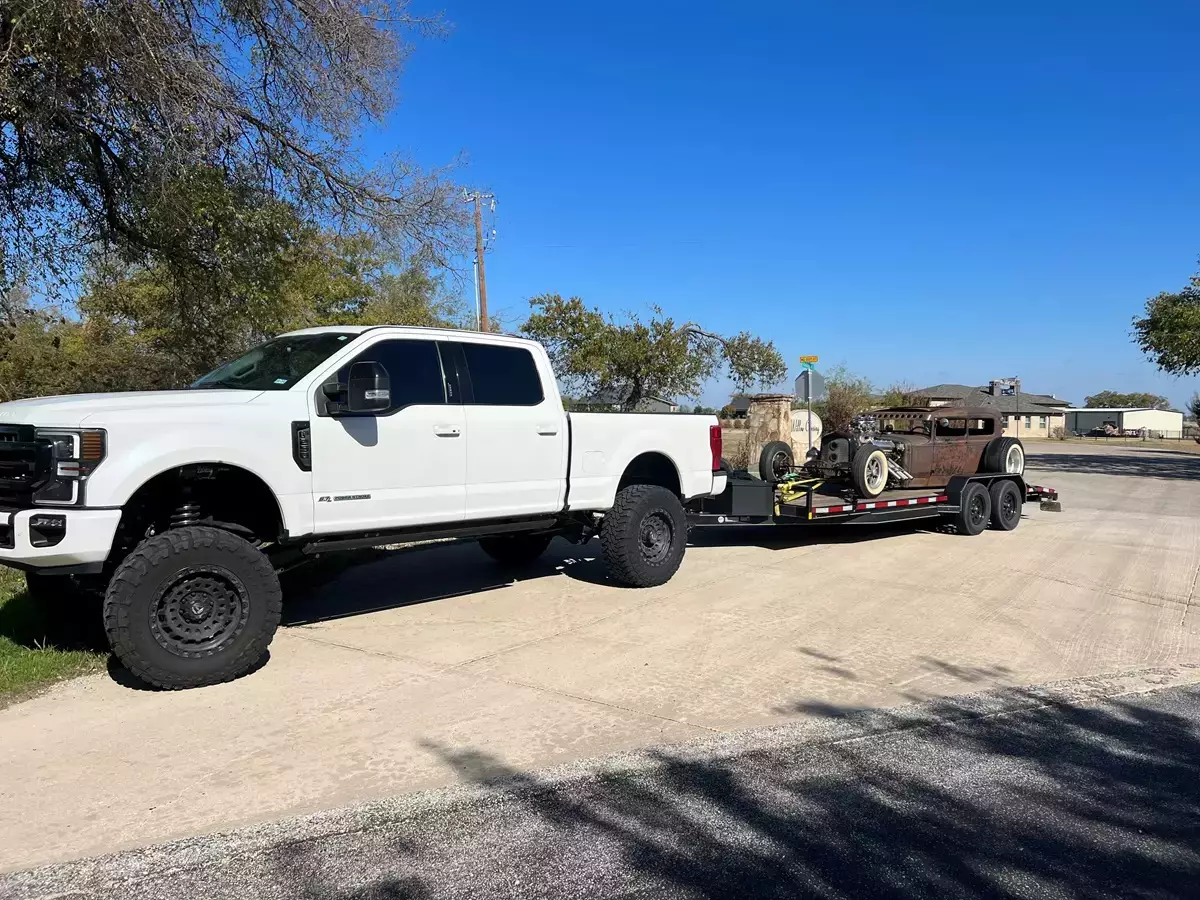
The single biggest decision is transport. Driving on its own wheels is free but exposes the car to road grime, stone chips, bugs, and weather. A trailer rental keeps the show finish intact and is often cheaper than a professional auto transporter for any trip under a few hundred miles.
NeighborsTrailer.com
Open vs Enclosed: Pick the Trailer That Matches the Car
Open car haulers cost less and are easier to load. Enclosed trailers add weather protection, security at overnight stops, and lockable storage for tools and spare wheels. For a freshly painted show car, the case for enclosed is strong. For a survivor or driver-class car, an open hauler is fine.
Quick Comparison
| Trailer Type | Typical Daily Rental | Best For | Watch Out For |
| Open Car Hauler (18 to 20 ft) | $75 to $120 | Drivers, project cars, short trips in dry weather | Stone chips, weather exposure, no overnight security |
| Enclosed Car Trailer (20 to 24 ft) | $140 to $220 | Show cars, restorations, long-distance hauls | Higher tow weight, taller profile, needs a capable tow vehicle |
| Tow Dolly | $50 to $80 | Front-wheel-drive daily drivers in a pinch | Not safe for AWD or low-clearance cars |
| Flatbed (Hydraulic Tilt) | $95 to $150 | Lowered cars and exotics with limited approach angle | Reserve early during show season |
Loading a Show Car Without Scuffing It
Drive on, do not winch unless you have to. Always have a spotter, even if you have done it a hundred times. Approach angle is the most common cause of a loading scuff, so use load ramps or a tilt-bed trailer for anything lower than four inches of ground clearance. Soft straps over the tires beat axle straps for low cars, and microfiber pads between the strap and any painted surface prevent rub marks during the drive.
The Five Minute Pre-Tow Check
Walk around the trailer before pulling out. Verify the coupler is locked and pinned, the safety chains are crossed, the breakaway cable is attached, all four lights work, the tongue weight feels right (about 10 to 15 percent of the loaded trailer weight), and tire pressure is set per the trailer sidewall, not your tow vehicle. Recheck the straps after the first ten miles, then again at every fuel stop.
What to Pack in the Trailer
The point of trailering is to arrive ready. Bring a folding chair, a canopy if the show allows it, a quick-detailer and microfiber towels, tire shine, a battery jumper or shore-power cable for cars that sit, a spare key on a lanyard, a small toolbox, your registration paperwork, and water. A clipboard with build sheets and photo books helps with judging and is a conversation starter at every show.
After the Show: Reload and Rest the Car
Show day is long. Reload while there is still daylight if possible, and inspect tires and straps before the drive home. Once the car is back in the garage, let it cool, give it a quick wipe to remove fingerprints and judging-tag adhesive, and crack the windows so any heat soak from the dark trailer interior can dissipate. Cars that bake inside a sealed trailer overnight develop interior odors that take weeks to clear.
Frequently Asked Questions
Do I need a CDL to tow a car trailer?
For non-commercial personal use, no CDL is required in most US states as long as the combined gross weight stays under 26,001 pounds. Always confirm with your state's DMV, and check the laws of any state you will pass through.
How early should I book a trailer for show season?
Reserve at least two weeks ahead during the April through October peak, and three to four weeks ahead for major shows like Goodguys nationals, SEMA Sidekick events, or local concours weekends. Enclosed trailers book out first.
Is it cheaper to hire a transport company or rent a trailer?
For one-off trips over 500 miles, a professional auto transporter is often cheaper and saves you the drive. For trips under 300 miles, or for any show you plan to attend more than twice a year, a rental trailer wins on cost and on schedule control.
What size tow vehicle do I need?
A half-ton truck or full-size SUV with a factory tow package handles most open car haulers up to about 7,000 pounds combined. For enclosed trailers carrying heavier cars, plan on a three-quarter-ton or larger truck with at least a Class IV hitch.
Can I tow my car with a tow dolly?
Only if it is front-wheel drive. Tow dollies lift the front wheels and let the rear roll, which damages an AWD or RWD car's drivetrain. When in doubt, rent a full trailer instead.
The Bottom Line
A standout car at a show is the product of careful detailing, smart category selection, and a transport plan that protects all of that work. Loading the car correctly and matching the right trailer to the build are the two decisions that make the biggest difference on event day. Whether you choose an open hauler for a quick local trip or an enclosed trailer for a multi-day road trip to a national, renting from a neighbor often costs less than a commercial transporter and gives you full control over your schedule.
Related Articles
- How to Load a Vehicle on a Car Hauler for Safe Towing
- Tow Dolly vs Car Hauler Trailer: Which Should You Choose
- Open vs Enclosed Trailers: A Side-by-Side Comparison
- Aluminum Car Trailer Rentals for Show Cars
Content updated May 2026