

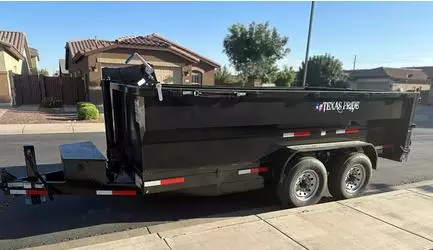
Important Safely Reminders While Using a Dump Trailer
 Neighbors Trailer
Nov 4, 2023 918 7 min read dump trailer safe
A dump trailer rental is one of the most useful pieces of equipment a homeowner or contractor can put behind a pickup. It hauls dirt, demolition debris, mulch, gravel, and just about any bulk material you do not feel like shoveling twice. The trade-off is that it has hydraulic moving parts, real weight capacity, and a tipping geometry that demands respect. Operate one carelessly and you can damage the trailer, injure yourself, or wreck whatever you are dumping onto.
This guide walks through the safe operation of a rental dump trailer from pickup through return, with a clear focus on the steps most first-time users skip. If this is your first dump trailer rental, follow the sequence below in order; you will move faster on your second job.
Sizing the Right Dump Trailer for the Job
Match the trailer to the load before you even look at hitch types. Hauling drywall scrap from a kitchen tear-out is a very different job from moving wet topsoil. The chart below shows typical payload capacities by trailer size. Always leave a fifteen percent buffer below the rated capacity to keep the hydraulics, axles, and tow vehicle in their happy zone. Our dump load calculator estimates what your material will weigh so you can stay under that rated capacity.
NeighborsTrailer.com
If your tow vehicle is a half-ton pickup, stick with single-axle and lighter tandem trailers. Three-quarter-ton and one-ton trucks open up the heavier sizes. The biggest mistake first-time renters make is renting more trailer than the truck can pull legally and safely.
Hitching Up Without the Headache
Most rental dump trailers use a 2 5/16-inch ball coupler with a heavier weight rating than a standard utility trailer. Confirm the ball size, lock the coupler, install the safety pin, and cross the safety chains under the tongue. Plug in the seven-pin connector and run the lights, brakes, and turn signals before pulling out of the rental driveway.
One detail many first-time users miss: the hydraulic pump on a dump trailer needs a working battery. Most owners include a battery, but it should be tested and ideally on a charge cycle through the tow vehicle's seven-pin plug. If the trailer sits idle for a week, that battery dies. Owners on a peer-to-peer marketplace will usually warn you, but check anyway.
Loading the Trailer Safely
How you load a dump trailer matters as much as how you tow it. Three rules cover most situations:
- Load heavy items first, on the floor, evenly across the bed. Bricks, concrete chunks, and metal go down before bags of yard waste or drywall.
- Distribute weight forward of the axle so tongue weight stays at ten to fifteen percent of total trailer weight. Our weight distribution planner helps you place the load for the right tongue weight and balanced axles.
- Never overload one side. Lopsided loads stress the axle and create sway during the haul.
If you are filling the trailer with a skid steer or mini excavator, swing slowly and place buckets in the center of the bed. Pile-driving the bucket into the back wall or one side is the fastest way to bend a tailgate or crack a side panel.
The Tow: What Changes With a Loaded Dump
A dump trailer carrying ten thousand pounds drives nothing like an empty utility trailer. Every input has more weight behind it. Stopping distances grow by half. Cornering needs a wider arc to keep the inside trailer wheels off the curb. Highway speeds compound any sway, so stay below 65 mph until you are confident with the rig.
Plan your route. Heavy trailers are tough on residential streets with low-clearance trees and tight cul-de-sacs. Pick wider streets, avoid rush hour where possible, and keep a generous following distance. If you have never towed a heavy load before, take a short loop around an empty parking lot before pulling onto the highway.
Dumping Procedure: The Most Dangerous Two Minutes
The dump cycle itself is where injuries and damage usually happen. Run through this checklist every time, every load:
- Park on level ground. A trailer raised on a slope will tip sideways under load.
- Confirm there is no overhead obstruction, especially low branches and power lines.
- Set the parking brake on the tow vehicle and chock the trailer wheels.
- Open the rear gate or release the latches before activating hydraulics.
- Stand to the side of the trailer, never directly behind it, and use the remote to raise the bed.
- Watch the load slide; if material hangs up, lower the bed and break the load with a shovel from the side. Never climb into a raised bed.
- Once empty, lower the bed completely before re-latching the gate and driving off.
The hydraulic raise is fast and very strong. Hands and clothing get caught the moment a person leans into the geometry. Treat the raise like a moving forklift; stay clear and use the remote.
Operating Limits to Respect
| Operation | Safe Practice | Common Mistake |
| Maximum slope to dump on | Less than 5 degrees side-to-side | Dumping on a hillside causes side tip |
| Maximum tongue weight | 10 to 15 percent of trailer weight | Heavy load placed at rear, lifting tongue |
| Battery charge before each lift | 12.5 volts or higher | Trying to dump on a low battery and stalling mid-cycle |
| Material height in bed | Below the side rails | Heaped above rails causing spillage |
| Approach to landfill scale | Slow roll, full stop | Hitting a scale at speed and damaging suspension |
What to Do With the Hauled Material
Plan the disposal end of the trip before you load. Most municipalities require construction debris to go to a permitted landfill or transfer station. Yard waste often has its own drop-off site with a lower per-ton rate. Bringing a mixed load is fine for a residential cleanout, but commercial sites usually charge by category.
If you are not sure where to take the load, see the easy waste disposal dump trailer rental guide for ideas on routing your debris cost-effectively.
Returning the Rental Clean
Sweep out residual material, hose down rubber liners if the owner allows, and lower the bed fully before parking. Owners on peer-to-peer marketplaces appreciate clean returns and reward them with future discounts. Report any small damage right away; trying to hide a dent or a torn liner is a faster way to lose your deposit than just owning it up front. For deeper guidance on returning a clean trailer, see important tips on cleaning a dump trailer rental properly.
Frequently Asked Questions
How much does a dump trailer rental cost?
Daily rates on peer-to-peer marketplaces typically run from $80 for a small single-axle to $200 for a tandem-axle high-capacity unit. Multi-day rentals usually unlock weekly discounts.
Do I need a special license to tow a dump trailer rental?
For non-commercial use under 26,001 pounds combined gross weight, a standard driver's license is fine in most states. Heavier rigs and any commercial work may trigger a CDL requirement, so check your state and the trailer's gross weight rating.
Can I rent a dump trailer for one day only?
Yes. Many owners on peer-to-peer marketplaces accept single-day rentals, especially mid-week. Weekend bookings sometimes have a two-day minimum during the busy season.
What kind of vehicle can pull a dump trailer?
Most three-quarter-ton and one-ton pickups handle a full-size dump trailer comfortably. Half-ton trucks can pull smaller units within their tow rating, but always check the owner's manual for the specific tow capacity and tongue weight ratings.
What if the hydraulics fail mid-job?
Stop immediately, lower whatever you can, secure the trailer, and message the owner. Most owners have a quick fix or a swap option. Do not try to manually shovel from a partially raised bed; that is when the system can shift unexpectedly.
Final Thoughts
A dump trailer rental saves a contractor or homeowner days of manual labor when you operate it the right way. Match the size to the job, hitch up carefully, load smart, drive at sane speeds, and run the dump cycle by the checklist. Do those five things and you will return the trailer in better shape than you got it, every single time.
Related Articles
- Easy Waste Disposal Dump Trailer Rental
- Important Tips on Cleaning a Dump Trailer Rental Properly
- Why a Dump Trailer Rental Is Perfect for Spring Cleaning
- Dump Trailer Rental vs Junk Disposal vs Dumpster Rental
Content updated May 2026