

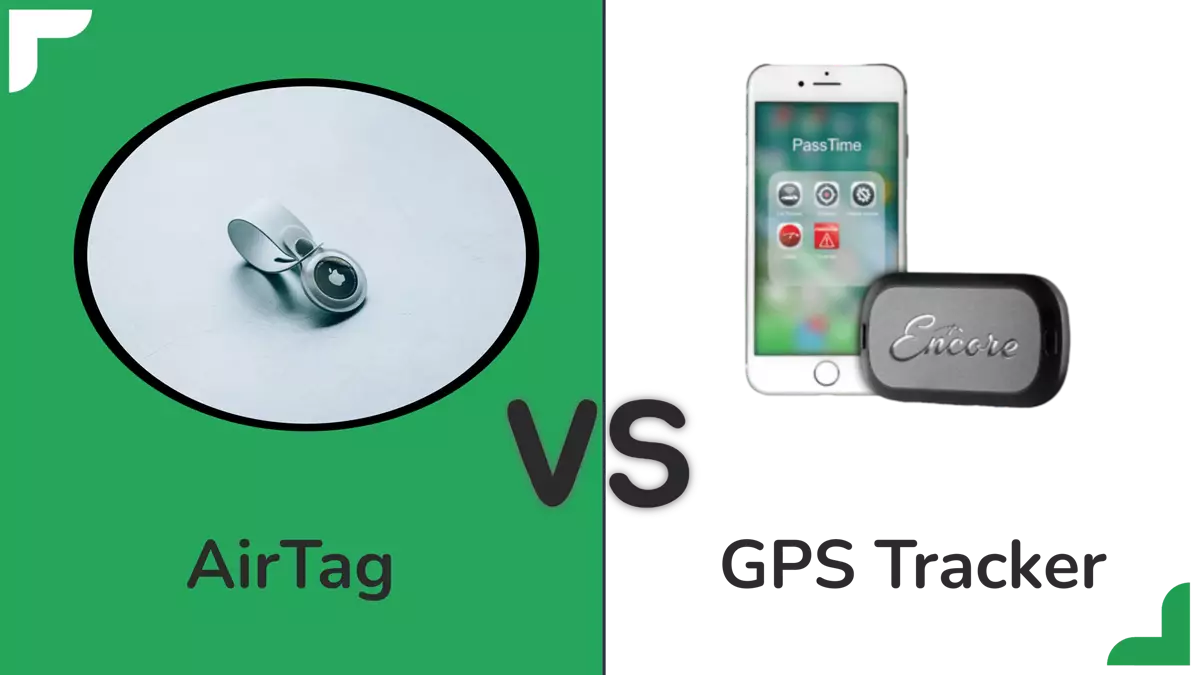
AirTags vs. GPS Trackers: The Best Choice for Tracking Trailer Rentals
 Neighbors Trailer .
Nov 11, 2024 1099 6 min read GPSvsAirta
If you rent your trailer to neighbors, store it at a job site, or park it on a quiet street between weekend trips, you have probably wondered which tracking option actually works when a trailer goes missing. Apple AirTags get the most attention because they are cheap, easy, and tied to a phone you already own. Cellular GPS trackers do the heavy lifting that AirTags simply cannot. This guide breaks down where each tool wins, where it falls short, and what to choose based on how you actually use your trailer.
The Short Answer
For high-value trailers and rental fleets, a hardwired or solar-powered cellular GPS tracker is the right choice. For low-value, low-risk use cases like keeping tabs on a trailer parked at home, an AirTag is fine as a backup layer but should not be your only safeguard. The two tools solve different problems, and the smart owners use both.
How AirTags Work
An AirTag is a small Bluetooth puck that does not have its own internet connection. It piggybacks on the Find My network, meaning it pings nearby Apple devices that relay its location back to your iPhone. When an AirTag is in a crowded area, it updates often. When it is in a rural barn or rolling down a back road, updates can be sparse or stop entirely.
AirTags also have anti-stalking features built in. If a thief takes your trailer and an iPhone they own detects an unfamiliar AirTag traveling with them, the device alerts them. Many thieves now know to look for AirTags first, disable them, and dispose of them within minutes of taking a trailer.
How GPS Trackers Work
A real GPS tracker has its own cellular modem and a SIM card, so it reports location independently of nearby phones. The best ones update every 30 to 60 seconds in motion and every 5 to 15 minutes when parked. They are usually paired with a monthly subscription in the $10 to $25 range.
Higher-end trackers offer geofencing, ignition detection, tow alerts, battery health monitoring, and remote disable for the trailer's brake controller. Hardwired models pull power from the trailer's electrical system, while solar and long-battery variants run independently for two to five years.
Head-to-Head Comparison
The chart below shows how the major tracker categories perform on recovery rate within 24 hours of theft, based on aggregated industry data and law enforcement reporting.
NeighborsTrailer.com
Tracker Comparison Table
This table compares the most common tracker categories on the dimensions that matter most for trailer owners and peer-to-peer renters.
| Feature | AirTag | Cellular GPS (Battery) | Hardwired GPS |
| Upfront cost | $29 | $80 to $150 | $120 to $250 |
| Monthly fee | None | $10 to $25 | $15 to $25 |
| Works in rural areas | Spotty | Yes, with cell signal | Yes, with cell signal |
| Anti-tamper alerts | No | Often | Yes |
| Battery life | 1 year | 1 to 5 years | Indefinite |
| Best for | Backup layer | Solo owners, small fleets | Rental fleets, high-value units |
Where AirTags Fail Most Often
The single biggest failure mode for AirTags is bluetooth range plus the anti-stalking alert. If a trailer is stolen and stashed in a barn five miles outside the nearest town, the AirTag may not see another Apple device for days. By then the trailer has already been stripped or repainted.
Even in urban areas, modern thieves carry RF detectors or simply open the trailer, find the AirTag, and toss it. A serious thief is in and out in under fifteen minutes, which is faster than law enforcement can dispatch on a cold lead.
Where GPS Trackers Earn Their Keep
The biggest win with a real GPS unit is the live location stream during a theft. Police departments will move quickly when you can hand them a current address and a moving trail. Even better, hardwired units with ignition cut features can prevent the trailer from being moved at all when armed.
For rental fleets, GPS units double as fleet management tools. You can verify the renter actually returned the trailer, see exact mileage, detect rough handling, and flag any out-of-bounds movement automatically through geofences.
Hiding the Tracker
Where you hide the tracker is just as important as which one you pick. Common spots that thieves know to check first include the tongue jack box, under the front V-nose, and inside the rear stop light housings. Better hiding spots include inside the frame rails (use a magnet or epoxy mount), behind interior wall panels on enclosed trailers, and tucked into the brake controller housing where access requires tools.
If you go with a solar tracker, mount it where it can see daylight but is not obvious from a quick visual inspection. The roof corners are often the right balance.
Layering Your Security
A single tracker is a recovery tool, not a deterrent. The strongest approach combines a primary GPS unit, a hidden AirTag as a backup, a coupler lock, and a wheel boot when the trailer is parked long-term. The hitch lock guide covers the lock side of this stack in detail.
For rental owners, requiring renters to acknowledge GPS tracking in your listing also works as a deterrent. Most people who would otherwise be tempted to push the rules behave better when they know the trailer is reporting.
Frequently Asked Questions
Can a renter detect my AirTag in the trailer?
Yes. Both iPhones and Android phones with the official tracker detection apps will alert nearby people to AirTags traveling with them. This is the primary downside of AirTags for rental use cases.
Do GPS trackers drain the trailer battery?
Hardwired units draw very little current, typically less than 0.05 amps. Over a month of inactivity, that adds up but is usually offset by trickle charging when the trailer is towed.
What happens if there is no cell signal?
Most cellular GPS units cache location data and upload when signal returns. The gap can range from minutes to hours, but you usually get a continuous historical track once the unit comes back online.
Are there subscription-free GPS trackers?
A handful of LoRa or satellite-based units exist without monthly fees, but coverage is regional and update intervals are long. For most trailer use cases, a paid cellular plan is worth the cost.
Should I tell my insurance company about the tracker?
Yes. Many insurers offer a premium discount for trailers with verified GPS tracking. Even when no discount applies, having documentation strengthens any future claim.
Conclusion
AirTags are convenient and cheap, but they are not a serious security tool for trailer owners. A cellular GPS tracker, ideally hardwired or solar, is what actually recovers stolen trailers. Use the AirTag as a backup layer, lock the trailer mechanically, and keep your hiding spots smart. The combined cost is small compared to the value of even a single trailer rental income stream.
Related Articles
- Enclosed Trailer Rental Hitch Lock Guide
- Cargo Trailer Rental: Best Hitch Lock
- Enclosed Trailer Rental: Top Hitch Lock
- Cargo Trailer Hitch Lock Guide
Content updated May 2026