7x18 Eagle flat deck
Bumper Pull 5100 7’x18’
Eagle Trailer Manufacturer 2023 EFB718TA2
Loading
Discover the best trailer rentals in Nunavut!

Nunavut is one of the last true frontiers of adventure on Earth — a place where the raw forces of nature dominate the landscape and challenge even the most seasoned explorers. As Canada’s northernmost territory, Nunavut spans over two million square kilometers and is home to less than 40,000 people, mostly Inuit, living in isolated communities scattered across the tundra and Arctic islands. This extreme isolation makes every journey an adventure, whether you're dog sledding across frozen fjords, hiking windswept plateaus, or kayaking along the same routes once used by Inuit hunters and European explorers alike. A premier destination for high-adventure travel is Auyuittuq National Park, located on Baffin Island. The name translates to “the land that never melts,” and the park lives up to it — it’s a realm of dramatic granite peaks, immense glaciers, and deep fjords. The Akshayuk Pass, a legendary 97-kilometre trekking route through the park, draws experienced hikers from around the world who want to experience the power and solitude of the Arctic. Another incredible adventure is a visit to Ellesmere Island and Quttinirpaaq National Park, Canada’s northernmost park, where you can hike under the midnight sun and witness towering ice caps and ancient geological formations. In the winter and spring months, traditional dog sledding expeditions, snowmobiling tours, and Northern Lights viewing provide thrilling experiences grounded in Inuit culture. Outfitters in communities like Iqaluit, Pond Inlet, and Rankin Inlet offer guided trips that not only showcase the natural beauty of the Arctic but also incorporate Indigenous knowledge and traditions. From narwhal watching beneath the ice floes to backcountry ski touring under the aurora borealis, Nunavut is not just a destination — it’s a journey into the heart of an environment and culture that have remained largely unchanged for millennia.
From the icy waters of the Hudson Bay and the Arctic Ocean to the vast stretches of tundra and glacier-covered mountains, Nunavut is home to species found nowhere else in such abundance. The most famous of all is the polar bear, often referred to by Inuit as "nanuk." These apex predators roam the sea ice around Hudson Bay, Baffin Island, and Resolute Bay, especially during spring and fall when the ice provides optimal hunting grounds for seals. Another remarkable marine animal that draws eco-tourists and researchers is the narwhal, often called the “unicorn of the sea.” These elusive creatures, with their long spiraled tusks, can be spotted off the coasts of Pond Inlet and Arctic Bay, particularly in summer when the ice retreats. Alongside them, you might also encounter beluga whales, bowhead whales, and walrus, all essential to both the ecosystem and the subsistence lifestyle of many Inuit communities. Birdwatchers will find no shortage of excitement either, with seasonal migrations bringing snowy owls, gyrfalcons, king eiders, and ivory gulls to the region’s cliffs, wetlands, and coastlines. On land, species like Arctic foxes, muskoxen, caribou, and Arctic hares can be observed moving across the tundra, sometimes in vast numbers during migrations. In the north, especially near Grise Fiord and Qausuittuq National Park, wildlife encounters feel particularly primal and untouched. Conservation and traditional knowledge are deeply interconnected in Nunavut, where Inuit communities have lived alongside these animals for thousands of years. Their hunting practices, cultural beliefs, and oral histories help shape modern conservation policies, ensuring that Nunavut remains one of the last wild frontiers where animals still reign.

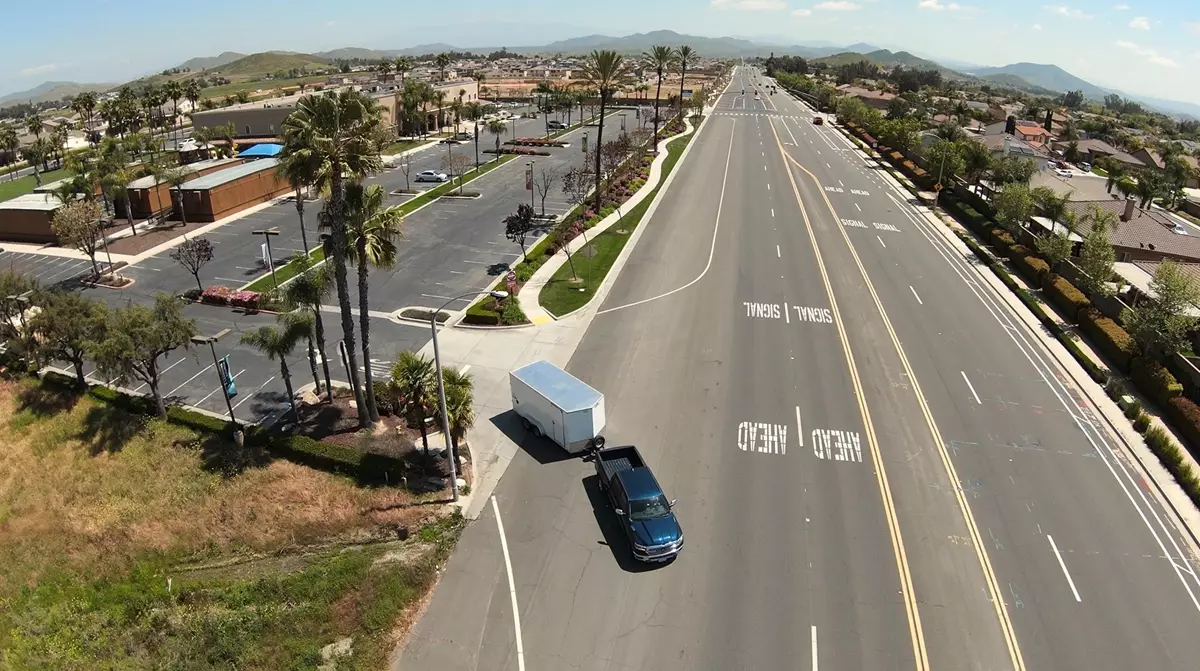
Nunavut might not have the high-octane car culture found in southern Canadian provinces, but it does have a distinctive and resilient vehicle scene that’s rooted in practicality, creativity, and community pride. The absence of an interconnecting highway system between communities means that traditional "car meets" or road trips are virtually impossible here. However, in places like Iqaluit, Rankin Inlet, and Arviat, vehicles still play a crucial cultural and social role — even if they're often snowmobiles, all-terrain vehicles (ATVs), or customized trucks built to handle permafrost and ice roads. The most common vehicles in Nunavut are modified for the extreme climate. From lifted pickup trucks with oversized tires and block heaters to ATVs rigged with sled attachments, locals often personalize their rides for both style and survival. Iqaluit, the capital, hosts informal car shows during the short summer season, where residents display everything from meticulously maintained Toyota Land Cruisers to antique Ford Broncos that have somehow survived decades of Arctic conditions. The sense of pride in vehicle ownership is strong, especially considering that shipping a car to Nunavut can cost thousands of dollars, and maintenance often requires ingenuity due to limited access to parts. In the winter, snowmobiles take center stage. Community races, such as those held during Toonik Tyme in Iqaluit or spring festivals in Cambridge Bay, draw large crowds for drag races, long-distance challenges, and freestyle snowmobile stunts. These events are less about speed alone and more about celebrating northern ingenuity, strength, and connection to the land. Car culture in Nunavut might not revolve around pavement or speedways, but it thrives in the territory’s own way — through adapted technology, community craftsmanship, and the persistent roar of engines cutting across Arctic landscapes under open skies.
Get answers to some of the most frequently asked questions people have about Neighbors Trailer right here.
Listing Title