

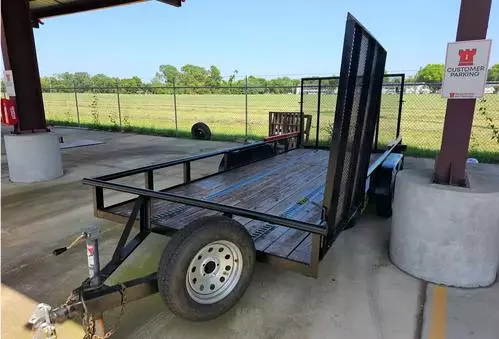
Essential Utility Trailer Rental Accessories for Landscaping
 Neighbors Trailer
Jul 24, 2023 1395 8 min read utility trailer accessories
A utility trailer is one of the most valuable tools a landscaper can have. Whether you run a professional landscaping business or tackle weekend yard projects on your own, the right trailer accessories can make every job faster, safer, and more organized. From hauling mulch and gravel to transporting mowers and trimmers across town, a well-equipped utility trailer turns a basic hauling platform into a complete mobile workstation.
Why the Right Accessories Matter for Landscaping Work
A standard utility trailer gives you a flat, open bed for hauling cargo. That works for basic loads, but landscaping jobs involve loose materials, heavy equipment, sharp tools, and debris that require specialized solutions. Without the right accessories, you risk losing cargo on the road, damaging your equipment, or spending twice as long loading and unloading at every job site. The accessories covered in this guide address the most common challenges landscapers face when using a utility trailer, and most of them can be added to any rental trailer without permanent modifications.
Must-Have Utility Trailer Accessories for Landscaping
Cargo Nets and Tie-Down Straps
Loose materials like branches, clippings, and bagged mulch can shift or fly out of an open trailer bed during transport. High-quality cargo nets and ratchet tie-down straps are the first accessories every landscaper should invest in. A cargo net stretches across the top of the load to keep lightweight debris contained, while ratchet straps secure heavier items like equipment and pallets. Look for straps rated to at least 1,500 pounds of working load limit, and always secure your load at multiple points. Before heading out, do a quick trailer inspection to confirm all tie-down anchor points are solid and undamaged.
Toolbox and Lockable Storage Bins
Hand tools, fasteners, gloves, and spare parts need a dedicated storage space on your trailer. A weather-resistant toolbox mounted to the tongue or front rail of the trailer keeps your essentials organized and secure. Lockable storage bins protect valuable items like string trimmer heads, blades, and fuel containers from theft when the trailer is parked at a job site. Choose boxes made from powder-coated aluminum or heavy-duty polymer for the best combination of durability and weather resistance.
Landscape Tool Racks and Holders
Rakes, shovels, trimmers, and edgers take up valuable floor space when laid flat on the trailer bed. Vertical tool racks and holders mount to the trailer sidewalls or front rail, keeping long-handled tools upright and out of the way. This frees up the trailer bed for larger items like mowers and wheelbarrows while also reducing the risk of tools sliding around during transit. Many rack systems use spring-loaded clamps or rubber grips that hold tools securely without requiring any drilling or permanent modifications to the trailer.
4. Trailer Ramps for Easy Loading
Loading heavy landscaping equipment like riding mowers, wheelbarrows, and compact skid steers onto a utility trailer is much safer and faster with a proper set of ramps. Folding aluminum ramps are lightweight, durable, and easy to store on the trailer itself when not in use. Look for ramps with a textured surface or built-in traction strips to prevent slipping, especially when loading equipment on wet grass or muddy job sites. A good pair of ramps rated for at least 1,500 pounds per ramp will handle most residential landscaping equipment without any issues.
5. Mesh Sides and Side Extensions
A standard utility trailer with an open bed works well for hauling compact equipment, but landscaping jobs often involve loose materials like mulch, soil, gravel, and yard waste. Adding removable mesh sides or solid side extensions to your trailer increases its carrying capacity dramatically. Mesh panels allow airflow, which is helpful when hauling fresh-cut grass clippings or wet leaves that can develop mold in enclosed spaces. Side extensions that bolt onto the existing trailer rails are easy to install and remove, giving you flexibility to switch between open-bed hauling and enclosed loads depending on the job.
6. Winch for Heavy Loads
A portable or trailer-mounted winch is a game changer for landscapers who regularly load heavy items like tree stumps, boulders, or pallets of sod. Manual hand-crank winches are affordable and reliable for loads under 2,000 pounds, while electric winches offer faster operation for heavier items. Mounting the winch at the front of the trailer bed gives you a straight pull line for loading equipment up the ramps. Always use a winch strap rated for the weight you are pulling, and inspect the strap regularly for fraying or damage. A winch not only saves your back but also speeds up the loading process significantly, especially when working solo on a job site.
Comparing the Most Useful Landscaping Trailer Accessories
The table below breaks down the key details for each accessory category, including typical cost, weight capacity, and best use case for landscaping work.
| Accessory | Typical Cost | Weight Capacity | Best Use Case |
| Cargo nets and tie-down straps | $15 - $60 | Up to 1,500 lbs | Securing loose tools and small equipment |
| Lockable toolbox | $80 - $250 | N/A | Storing hand tools, fasteners, and small parts |
| Landscape tool racks | $40 - $150 | Up to 200 lbs | Organizing rakes, shovels, and trimmers |
| Folding aluminum ramps | $100 - $350 | 1,500 - 3,000 lbs per pair | Loading mowers and heavy equipment |
| Mesh sides and extensions | $120 - $400 | Adds 2 - 4 cubic yards | Hauling mulch, soil, and yard waste |
| Trailer-mounted winch | $60 - $300 | 1,000 - 5,000 lbs | Loading stumps, boulders, and pallets |
Which Accessories Do Landscapers Use Most?
Based on survey data from landscaping professionals across the United States, the chart below shows the percentage of landscapers who consider each accessory essential for their daily trailer setup.
NeighborsTrailer.com
Choosing the Right Utility Trailer for Landscaping Work
The accessories you need depend largely on the type of utility trailer you are working with. Open-bed utility trailers between 5x8 and 6x12 feet are the most popular choice for residential landscaping because they offer enough space for a riding mower, a few hand tools, and materials like mulch or topsoil. For commercial landscaping crews running multiple job sites per day, a larger 7x14 or 7x16 utility trailer provides room for a zero-turn mower, a walk-behind edger, blowers, and all the supplies needed for a full day of work. When evaluating trailers, pay attention to the gross vehicle weight rating to make sure it can handle the combined weight of your equipment and materials safely. For a deeper look at how utility trailers compare to other options, read our guide on choosing the right trailer for your project.
If you do not own a utility trailer or need a specific size for a seasonal job, renting through Neighbors Trailer is a practical and affordable option. Our peer-to-peer marketplace connects you with local trailer owners across the country, making it easy to find the right trailer near your job site. Every rental on Neighbors Trailer includes NT Protect, mandatory coverage that is automatically applied at the time of booking for just a few dollars per day. NT Protect gives renters confidence that they are covered if something goes wrong, and it gives owners peace of mind knowing their equipment is protected every time it goes out.
Frequently Asked Questions
What is the most important accessory for a landscaping trailer?
Tie-down straps and cargo nets are the most important accessories for any landscaping trailer. Loose equipment can shift during transit, causing damage to the trailer, the equipment, or other vehicles on the road. A quality set of ratchet straps rated for your heaviest item should be the first accessory you add to any utility trailer setup.
Can I add accessories to a rented utility trailer?
Yes, most removable accessories like cargo nets, portable toolboxes, ramps, and tool racks can be used on a rented trailer without making any permanent modifications. Always check with the trailer owner before drilling holes or making permanent attachments. Neighbors Trailer encourages open communication between renters and owners to make sure both parties are comfortable with how the trailer will be used.
How do I secure a riding mower on a utility trailer?
Load the mower using a set of ramps rated for its weight, then position it centered on the trailer bed with the parking brake engaged. Use at least four ratchet straps hooked to the trailer tie-down points, with two straps securing the front axle and two securing the rear axle. Tighten each strap until there is no slack, and double-check everything before you start driving.
Do I need mesh sides for every landscaping job?
Mesh sides are not necessary for every job, but they are essential when hauling loose materials like mulch, soil, leaves, or grass clippings. If most of your work involves transporting riding mowers and hand tools, an open-bed setup with tie-down straps will be sufficient. Removable mesh panels give you the flexibility to switch between configurations depending on the task.
Conclusion
Equipping your utility trailer with the right accessories makes every landscaping job faster, safer, and more efficient. From tie-down straps and ramps to mesh sides and winches, each accessory serves a specific purpose that helps protect your equipment and maximize your trailer's usefulness. Whether you own your trailer or rent one through Neighbors Trailer, investing in a few key accessories will pay for itself quickly through saved time and reduced equipment damage on the job site.
Related Articles
- Hauling Supplies and Materials with a Utility Trailer Rental
- How to Find the Best Local Utility Trailer Rentals Near You
- Safe Loading and Weight Distribution for Utility Trailer Rentals
- Why Renting a Utility Trailer is More Affordable Than Buying
Content updated April 2026