

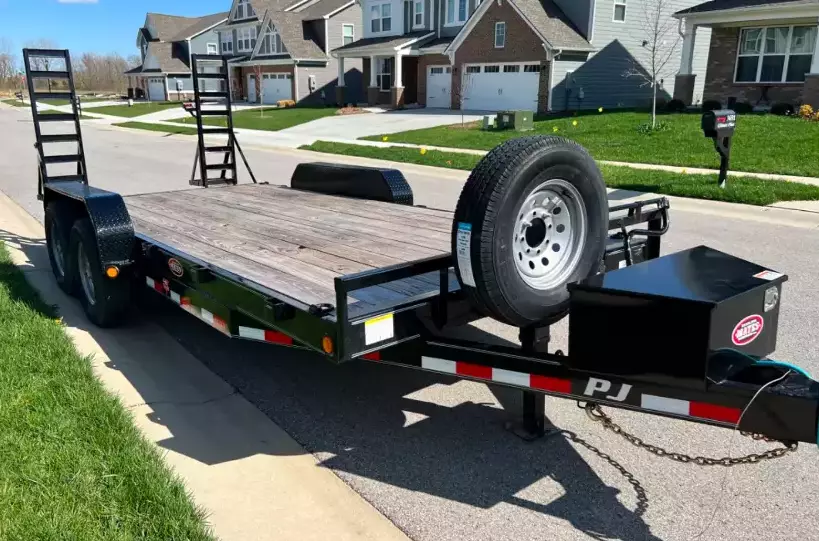
Essential Tips for Safe Towing This Summer
 Neighbors Trailer
Mar 24, 2023 613 7 min read tips for safe towing
Towing a trailer safely requires more than just hooking up and hitting the road. Whether you are hauling equipment to a job site, moving furniture across town, or transporting a vehicle, the combination of extra weight, longer stopping distances, and changed vehicle dynamics creates risks that every driver should understand before departing.
This guide covers everything you need to know to tow safely: preparing your tow vehicle, inspecting your trailer, loading cargo correctly, and driving techniques that protect you, your cargo, and everyone else on the road.
Know Your Tow Vehicle's Limits
Before attaching any trailer, confirm your vehicle's tow rating. Every manufacturer specifies a maximum towing capacity for each model, listed in the owner's manual. This number is not a suggestion; exceeding it puts dangerous stress on your engine, transmission, and brakes, and increases accident risk significantly.
There are three key figures to know:
Gross Vehicle Weight Rating (GVWR): The maximum total weight of the vehicle including passengers, cargo, and tongue weight from the trailer. Tow Rating: The maximum weight your vehicle can safely pull. Tongue Weight Capacity: The downward force the hitch can handle from the trailer's coupler. A good rule is that tongue weight should be 10 to 15 percent of the total trailer weight.
If you are unsure about your vehicle's ratings, look them up in the owner's manual or contact the manufacturer before renting or hitching a trailer. See our guide on Heavy Hauling Tips for more detail on matching loads to your vehicle.
Inspect Your Tow Vehicle Before Every Trip
A vehicle that has been sitting unused, or one that has been towing frequently, needs a thorough check before hitting the road with a trailer attached. Towing puts added stress on every major system, so starting with a well-maintained vehicle is essential.
Check engine oil, transmission fluid, brake fluid, and coolant levels. Inspect the receiver hitch and ball mount for rust, cracks, or loose bolts. Confirm the hitch ball size matches the trailer coupler. Check your vehicle's tire pressure and tread depth. If you tow frequently, consider increasing your fluid change intervals since the added workload accelerates wear.
Trailer Inspection Checklist Before Departure
After verifying your tow vehicle is ready, turn your attention to the trailer. A pre-trip inspection catches problems before they become roadside emergencies. Read our full Trailer Inspections guide for a comprehensive walkthrough.
The most critical items to check include tires (pressure, tread depth, and sidewall condition), wheel bearings (should be greased and free from play), lights (brake lights, turn signals, running lights), hitch coupler and safety chains (secured correctly), brake system (if equipped), and cargo tie-downs (all straps or chains tight and anchored properly).
Safe Towing Techniques on the Road
Load Your Trailer Correctly
Cargo distribution determines how stable your trailer will be in transit. Place 60 percent of the total cargo weight forward of the trailer axle and 40 percent toward the rear. Balance the load evenly from side to side. Secure everything with straps or chains so it cannot shift. A poorly loaded trailer is the leading cause of trailer sway.
Adjust Your Driving for the Extra Weight
With a loaded trailer in tow, your vehicle handles very differently. Braking distances are much longer, so leave at least one second of following distance per ten feet of combined vehicle and trailer length. Never tailgate. Take turns wider than you normally would, since the trailer tracks closer to the inside of a corner than the tow vehicle does. Allow extra time to merge, change lanes, and make turns.
Manage Your Speed
Speed is one of the primary factors in towing accidents. Staying at or below 55 mph on highways dramatically reduces sway risk and stopping distance. Slow down further in construction zones, rain, or high winds. On downhill grades, use tow/haul mode or engine braking to avoid overheating your brakes rather than riding the brake pedal continuously.
Watch Your Visibility
If your trailer is wider than your tow vehicle, standard side mirrors will leave blind spots. Clip-on extended towing mirrors or replacement towing mirrors are essential for safe lane changes and backing. Many states require you to have a clear view of at least 200 feet behind the trailer.
Safe Towing Reference Guide
| Preparation Area | What to Check | Safe Standard |
| Tow vehicle weight limits | GVWR, tow rating, tongue weight capacity | Never exceed any of the three ratings |
| Hitch and coupler | Ball size matches coupler, no rust or cracks | Secure lock, safety chains crossed under hitch |
| Trailer tires | Pressure, tread depth, sidewall cracks | Inflate to trailer manufacturer spec |
| Trailer lights | Brake, turn, running lights all working | All lights functional before departure |
| Cargo loading | Weight distribution, tie-down security | 60% forward, 40% rear; all cargo strapped |
| Following distance | Gap between you and the vehicle ahead | 1 second per 10 ft of combined length |
Towing Preparation: Where Drivers Most Often Fall Short
NeighborsTrailer.com
NT Protect: Coverage That Comes With Every Rental
When you rent a trailer through Neighbors Trailer, NT Protect is automatically charged to the renter at the time of booking for a few dollars per day. This mandatory coverage, with a $500 deductible, means you are protected from the moment you drive away. There is no need to purchase a separate policy or worry about gaps in coverage. Focus on driving safely, and let NT Protect handle the unexpected.
Frequently Asked Questions About Safe Towing
How do I know if my vehicle can pull the trailer I want to rent?
Check your owner's manual for your vehicle's maximum tow rating, GVWR, and tongue weight capacity. All three numbers matter. The trailer listing on Neighbors Trailer will show the trailer's weight, which you can compare directly to your vehicle's rating. When in doubt, call your vehicle's dealer or manufacturer for confirmation.
What is the safest speed when towing a trailer?
Most towing professionals recommend 55 mph or below on highways. Many states also set specific lower speed limits for vehicles towing trailers. Reducing your highway speed is one of the single most effective ways to reduce trailer sway risk and extend your stopping distance margin.
How should I load my trailer for the safest ride?
Place 60 percent of the total cargo weight toward the front of the trailer (ahead of the axle) and 40 percent toward the rear. Balance the load evenly side to side. Secure every item with straps or chains rated for the load. Never stack cargo in a way that shifts the center of gravity toward the rear of the trailer.
Do I need to practice towing before my trip?
Yes, especially if you are a first-time tower or have not towed in several months. Find an empty parking lot and practice making wide turns, stopping smoothly, backing up, and parking. Getting familiar with how your vehicle responds before getting on a busy road makes a major difference in confidence and safety.
What should I do if my trailer starts to sway?
Ease off the accelerator smoothly and hold the wheel steady. Do not hit the brakes suddenly, as this will make sway worse. Allow the vehicle to slow naturally until the sway subsides, then gently apply the brakes. Once stopped safely, check your load balance, tire pressures, and hitch connection before continuing.
Find the Right Trailer for Your Haul
Neighbors Trailer is a peer-to-peer trailer rental marketplace connecting renters with local trailer owners across the country. With listings for utility trailers, flatbeds, car haulers, enclosed trailers, and more, you can find a well-maintained rental that fits both your load and your tow vehicle's rating. NT Protect coverage is automatically included in every booking, so you are protected on every trip.
Related Articles
- Trailer Inspections: What You Need to Know Before Every Trip
- Trailer Safety 101: Heavy Hauling Tips for Safe Towing
- Trailer Safety 101: Tips for Towing a Motorcycle Behind Your Truck
- Should You Choose a Tow Dolly or a Car Hauler Trailer?
Content updated March 2026