

Trailer Rental 101: Everything You Need to Know Before You Book
 Neighbors Trailer
Feb 18, 2025 1002 5 min read TrailerRentalEducatio
Renting a trailer for the first time sits somewhere between renting a car and renting power equipment, with its own vocabulary and a few details that catch new renters off guard. Trailer Rental 101 is everything you actually need to know before you book in 2026: what trailer to pick, how to budget realistically, what coverage really protects you, and how to avoid the small mistakes that turn an easy weekend project into a roadside story.
Decide What You Are Actually Hauling
The most common booking mistake is renting based on a guess instead of a measurement. Pull the dimensions of your largest item, whether it is a couch, a riding mower, or a motorcycle, and add 12 inches of clearance per side. That number is your minimum interior dimension. If you have other items, step up one trailer size for breathing room without breaking the budget.
Match Trailer Type to the Job
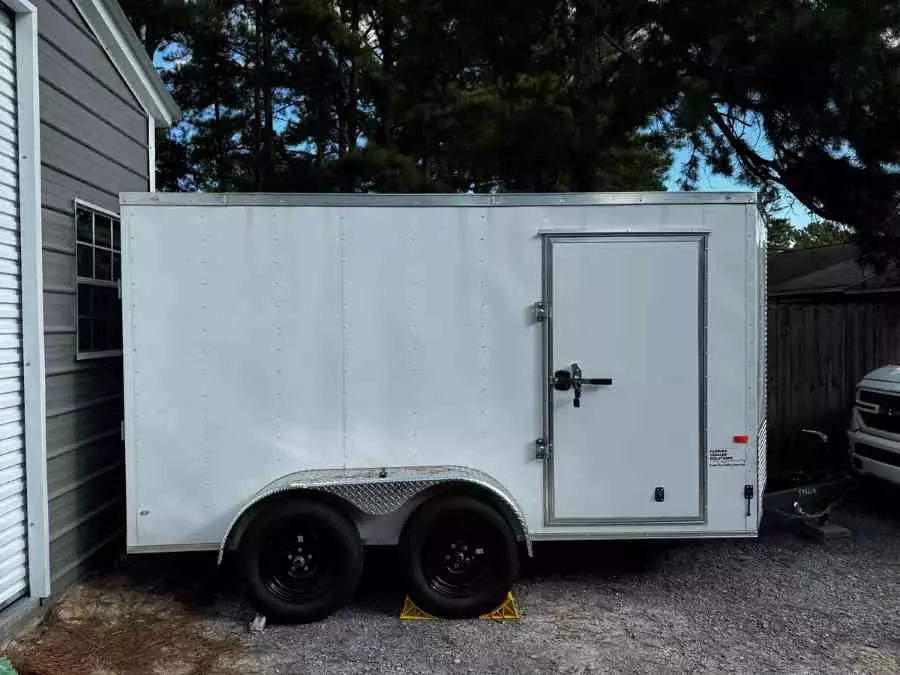
Enclosed cargo trailers protect belongings from weather and theft. Open utility trailers are cheaper and great for outdoor loads. Dump trailers self-unload heavy debris. Car haulers transport vehicles. Boat trailers match specific boats. Pick the trailer type first, then size, then daily rate.
Quick Selector
Furniture or boxes: enclosed cargo. Soil, mulch, branches: open utility. Concrete debris: dump. Single vehicle: car hauler. Multiple kayaks: utility with racks or a kayak trailer.
Confirm Your Tow Vehicle Can Handle It
Every truck or SUV has a tow rating and a payload rating, both printed in the owner's manual or on the door jamb sticker. Stay 10 to 15 percent under the lower of those numbers when the trailer is fully loaded. A trailer too big for your tow vehicle is the most common cause of first-time rental headaches.
Understand the Hitch and Wiring
Most consumer trailers use a 2-inch ball; large trailers use 2 5/16 inch. Hitch classes I through V correspond to maximum weight ratings. The wiring connector is usually 4-flat (lights only) or 7-blade (lights plus brakes). Confirm both match before you leave the lot, and carry an adapter if you tow different trailer types.
Budget for the Whole Trip, Not Just the Trailer
Trailer rental is one line item. Add fuel (towing reduces MPG by 20 to 40 percent), tolls, possible cleaning fees, and the optional cost of straps, tarps, or a dolly if you do not own them. A 2-day local move with a 6x12 cargo trailer typically runs $250 to $350 all-in.
Know What Coverage Actually Includes
Marketplace bookings usually include liability and physical damage coverage with a clear deductible. Your auto insurance often extends liability but rarely covers damage to the trailer itself. Read the coverage details in the listing before you confirm, and ask about exclusions like tire damage and acts of nature.
Inspect the Trailer at Pickup
Walk the trailer with the owner. Photograph every side, the deck, the lights working, and any pre-existing dings. Confirm tire pressure, that the jack works, and that the safety chains are intact. A 5-minute joint inspection prevents nearly every damage dispute later in the rental.
Drive Smooth and Plan Stops
Stay 5 to 10 mph below the posted limit, double your following distance, and make wider turns. Stop after the first 50 miles for a quick walk-around: feel the tires for heat, re-tighten any straps, and check the coupler. After that, stop every 100 to 150 miles. The trailer will let you know if something is not right; listen for new sounds.
Trailer Rental Quick Reference
| Need | Recommended Trailer | Typical Daily Rate | Tow Vehicle Minimum |
| Local home move | 6x12 enclosed cargo | $75 to $115 | Half-ton SUV / truck |
| Cross-country move | 7x14 enclosed cargo | $95 to $145 | Half-ton truck |
| Yard waste / mulch | 5x10 utility | $45 to $65 | Midsize SUV |
| Construction debris | 6x12 dump | $150 to $250 | 3/4 ton truck |
| Single vehicle transport | 20 ft car hauler | $95 to $145 | 3/4 ton truck |
| Motorcycles / ATVs | 5x10 utility w/ ramps | $50 to $80 | Midsize SUV / truck |
| Camping gear weekend | 5x8 utility | $40 to $60 | Midsize SUV |
Average Daily Rental Rate by Trailer Type (Midweek 2026)
NeighborsTrailer.com
FAQ
Do I need a special license to rent a trailer?
A standard driver's license covers nearly all consumer trailers under 26,001 lbs combined weight in most states.
How do I know if my truck can tow it?
Check the tow rating and payload on the door jamb sticker, then make sure the loaded trailer weight stays at least 10 to 15 percent below both numbers.
What if the trailer is damaged during my rental?
Marketplace coverage applies up to the deductible. Report any damage immediately with photos so the claim moves fast.
Is delivery worth paying for?
For renters without a tow vehicle or with packed schedules, often yes. For most homeowners, picking up saves $50 to $150.
Your First Trailer Rental, Done Right
A successful first rental is mostly about the basics: right trailer, right tow vehicle, clear coverage, careful inspection, smooth driving. Cover those five, and the rental gets out of the way so you can focus on the actual project. Neighbors Trailer makes it easy to find a local trailer that fits your job in 2026.
Related Articles
- Complete Guide to Trailer Rentals
- Top 10 Tips to Save Money on Your Trailer Rental
- How Much Does It Cost to Rent a Trailer?
- Booked? Get Road-Ready With These Safety Tips
Content updated May 2026