

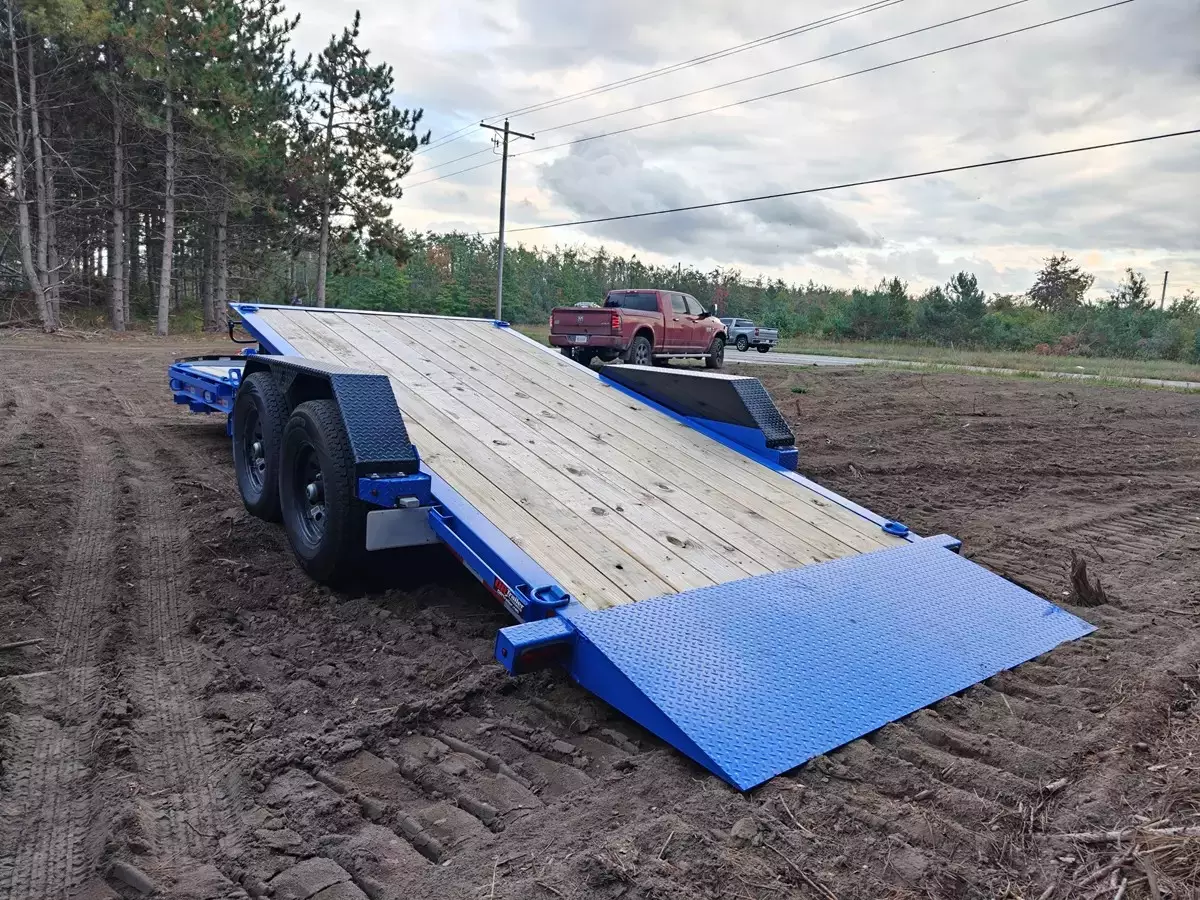
How to Rent Out Your Trailer in Canada Without Fear of Damages
 Neighbors Trailer .
Nov 14, 2025 275 5 min read
The single biggest worry Canadian trailer owners have before listing is damage. What happens if a renter scrapes the deck, blows a tire, or backs into a post? The honest answer in 2026 is that the platform is built specifically to make damage manageable, not scary. This guide explains how to rent out your trailer in Canada without fear of damages: the coverage that applies, the documentation that protects you, the renter behaviors that signal trouble, and the small habits that keep your trailer in great shape rental after rental, season after season.
Coverage Is Built In to Every Booking
Marketplace bookings include liability and physical damage coverage on every reservation, with a transparent deductible spelled out in the listing. The renter pays for coverage as part of the booking; you do not have to buy extra insurance just to list. For most damage scenarios, the marketplace handles repair payouts directly and frees you from chasing the renter for money.
Document Pickup Condition Like It Matters
Photograph the trailer from every angle at pickup, in good light, with timestamps visible if your phone supports it. Share the photos with the renter through the platform messaging so both sides have a record. Documented pickup condition is the single biggest predictor of a smooth claims process if something goes wrong.
What to Always Photograph
Each side, the deck floor, the coupler, the lights working, tire tread, jack, any existing dings, and the odometer or hour meter if applicable.
Set Clear Expectations in the Listing
Write usage rules into the listing description: maximum load, no commercial use unless agreed, no off-road, no animals, return clean. Clear rules prevent the most common misunderstandings. Renters who book despite seeing the rules are usually the ones who follow them carefully.
Screen Renters With a Short Form
Before approving, ask three questions: what tow vehicle, what load type, and what trip length. Renters who answer crisply almost always treat the trailer well. The few who do not are easy to redirect or decline. Trust your instinct; you can always say no.
Do a 5-Minute Walk-Around at Pickup
Walk the trailer together at pickup. Point out the brake actuator, the safety chains, the jack release, and any quirks of your trailer. A 5-minute teach-in prevents 80 percent of "I did not know how that worked" damage. Most damage comes from misuse, not malice, and a short orientation eliminates most misuse.
Watch for Red Flags Before Approving
No verified ID, no tow vehicle photo, no profile, evasive answers to your screening questions. Any one alone is fine; two or three together usually means decline. Marketplace tools make it easy to back out before the rental starts and keep your trailer safe.
Handle Damage Calmly When It Happens
When damage does happen (rarely), photograph it immediately, message the renter through the platform, and file a claim within 24 hours. The platform handles negotiation with the renter and processes the payout. Calm documentation beats angry messages every time and protects your standing as a verified owner.
Maintain the Trailer Like a Pro
A trailer that is well-maintained breaks less. Annual brake and bearing service, monthly tire pressure checks, and a quick coupler inspection between rentals catches issues before renters do. Owners with strong maintenance routines see fewer claims and better reviews.
Damage Risk Reduction Checklist
| Habit | Damage Risk Reduction | Time Investment |
| Photo inspection at pickup | 70% | 5 min/rental |
| Clear listing rules | 40% | 15 min one-time |
| 5-min walk-around | 60% | 5 min/rental |
| Pre-rental screening form | 50% | 2 min/request |
| Monthly trailer maintenance | 45% | 30 min/month |
| Quick repair after each rental | 35% | 10 min/rental |
| Decline red-flag bookings | 80% | Trust your gut |
Owner Habits That Reduce Damage Claims (% Reduction)
NeighborsTrailer.com
FAQ
What if a renter damages the trailer beyond the deductible?
Coverage typically pays up to the listed maximum. For higher-value trailers, ask about supplemental coverage.
Can I refuse a booking after the renter pays?
Yes, in most cases. The platform refunds the renter and pauses your listing briefly. Always document why you declined.
How long do claims take to process?
Most claims close in 5 to 10 business days from the time you submit documentation.
Do I need my own commercial trailer policy?
For multi-trailer fleets, often yes. For a single personal-asset listing, marketplace coverage is usually sufficient.
Confident Owners Earn the Most
Damage fears are usually worse than reality. Built-in coverage, clear rules, documented pickup, smart screening, and a calm response when something does happen turn damage from a major concern into a manageable operating cost. Neighbors Trailer makes it easy for Canadian owners to list with confidence in 2026.
Related Articles
- Neighbors Trailer Expands to Canada
- Why Canadian Trailer Owners Are Listing
- How to Rent Out Your Trailer in Canada: Step-by-Step
- How to List Your Trailer for Rent and Earn Passive Income
Content updated May 2026