

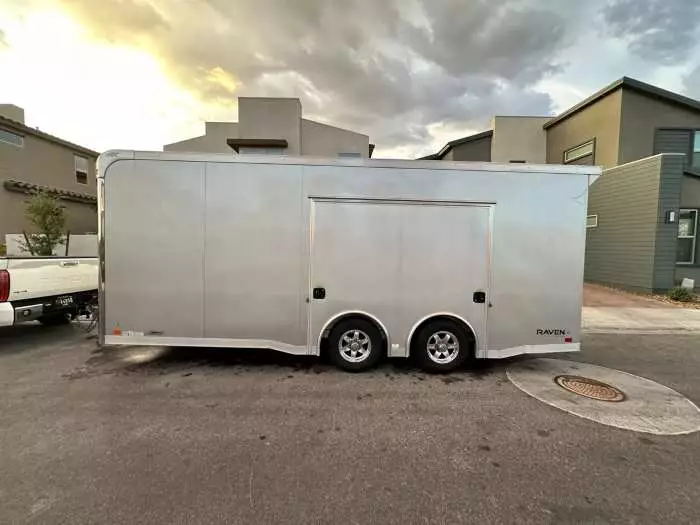
How To Pick the Perfect Rims for Your Trailer Wheels
 Neighbors Trailer .
Jul 31, 2024 992 10 min read Trailerwheelrim
How to Pick the Perfect Rims for Your Trailer Wheels
The rims you choose for your trailer are not a cosmetic afterthought. Wheel selection shapes how the trailer handles loaded turns, how often you replace bearings, how much fuel the tow vehicle burns, and how the rig looks rolling down the highway. Most trailer owners spend hours comparing tires but minutes picking rims, then live with that decision for the next decade. This guide walks through the two dominant choices, steel and aluminum, plus a clear framework for matching rims to your tow profile, payload, and climate.
Whether you are buying a new utility trailer, upgrading a worn-out set on an enclosed cargo hauler, or shopping a peer-to-peer rental for the weekend, the same fundamentals apply. Get the rim right and the rest of the wheel package, tires, hubs, and bearings, will reward you with quieter rides and fewer roadside surprises.
Why Trailer Rims Matter More Than You Think
A trailer rim does four jobs at once. It mounts and seals the tire bead, it bolts to the hub face to transfer torque and braking force, it bears the vertical load of cargo, and it dissipates heat from the brakes and bearings. A rim that is undersized, mismatched to the bolt pattern, or rated below the axle's gross weight will warp, crack, or shake itself loose on the highway. None of those failures end well.
Beyond safety, rims influence operating cost. A heavier wheel package means more unsprung mass, slower acceleration, and a small but real bump in fuel use on a long tow. Rims that pit or rust also corrode the hub mounting surface, making future tire changes much harder. For more on the long view of trailer ownership, see this guide to choosing the right tires for your trailer, which pairs directly with rim selection.
Steel Trailer Rims: The Workhorse Standard
Steel has been the default trailer rim material for decades, and for good reason. Steel rims are dense, ductile, and forgiving. They flex slightly under impact, which means a curb strike that would crack an aluminum wheel often just dents a steel one. That dent is ugly, but the rim still rolls home.
Advantages of Steel Rims
Lower upfront cost. Steel rims typically cost 40 to 60 percent less than comparable aluminum rims in the same size and load range. For owners who run several axles or replace wheels often after off-road use, that savings adds up fast.
Durability under abuse. Construction sites, gravel boat ramps, and rutted job-site driveways punish wheels. Steel handles those conditions better than aluminum and is easier to weld or straighten if it does deform.
Repairability. A bent steel rim can often be hammered or pressed back into round at a local truck shop. Cracked aluminum almost always means a full replacement.
Drawbacks of Steel Rims
Weight. A typical 15-inch steel trailer rim weighs 18 to 24 pounds. The same size in aluminum weighs 10 to 14 pounds. Across a tandem-axle trailer, that is 30 to 40 extra pounds rolling on the highway.
Corrosion. Painted steel rims rust where the coating chips. Saltwater, road brine, and standing puddles speed the process. Once rust starts inside the rim, tire beads can leak and balance weights fall off.
Heat retention. Steel sheds heat more slowly than aluminum, which matters on long descents with electric brakes generating heat through the hub.
Aluminum Trailer Rims: The Premium Choice
Aluminum rims, often called alloy or mag wheels in the marketing copy, have moved from luxury option to mainstream in the last 15 years. Better casting and forging methods have closed the strength gap, and prices have come down. For owners who tow long distances, store outdoors, or care about resale value, aluminum is now the default.
Advantages of Aluminum Rims
Significant weight reduction. Lighter wheels reduce unsprung mass, which improves trailer behavior over rough pavement and slightly extends bearing life. They also cut total trailer weight, which is welcome when your tow vehicle is already near its rated capacity.
Corrosion resistance. Aluminum forms a self-passivating oxide layer that protects against rust. Around saltwater, this is a major advantage. For a closer look at how aluminum handles weather over time, this explainer on aluminum trailers and rust is a useful companion read.
Heat dissipation. Aluminum sheds brake and bearing heat much faster than steel, keeping grease cooler on long downhill grades and extending hub life.
Aesthetic value. Polished or machined aluminum wheels lift the look of any trailer, which translates to faster sales and higher rental demand on peer-to-peer platforms.
Drawbacks of Aluminum Rims
Higher cost. Expect to pay roughly twice as much per rim, sometimes more for forged or polished designs.
Crack risk on impact. Aluminum is harder than steel but more brittle. A hard pothole or curb strike that dents steel can crack aluminum, which usually means replacement rather than repair.
Galvanic corrosion. When aluminum contacts wet steel hub hardware, dissimilar-metal corrosion can lock lug nuts onto studs. Anti-seize on the lug threads solves this, but it has to be part of your maintenance routine.
Steel vs Aluminum at a Glance
NeighborsTrailer.com
Direct Comparison Table
| Attribute | Steel Rims | Aluminum Rims | Best Fit |
| Typical price per 15" rim | $45 to $75 | $110 to $220 | Budget vs premium |
| Weight per rim | 18 to 24 lb | 10 to 14 lb | Aluminum for long tows |
| Corrosion resistance | Painted coating only | Self-passivating oxide | Aluminum near saltwater |
| Impact behavior | Bends, can be repaired | Cracks, must replace | Steel for off-road use |
| Heat dissipation | Moderate | Excellent | Aluminum for long descents |
| Resale and curb appeal | Utility look | Polished, premium look | Aluminum for resale |
| Typical lifespan with care | 8 to 12 years | 15+ years | Aluminum for keepers |
How to Choose: Five Questions to Answer First
1. What is your axle's gross weight rating?
Every rim has a load rating stamped on the back. The rim's rating must equal or exceed the axle's gross weight per wheel. A 3,500 pound axle with two wheels needs rims rated for at least 1,750 pounds each. Undersized rims are the single most common cause of catastrophic wheel failure on overloaded trailers.
2. Does the bolt pattern match your hub?
Trailer bolt patterns are written as number of bolts by pattern circle diameter, such as 5 on 4.5 or 6 on 5.5. The rim's pattern must match the hub exactly. Adapter rings exist but introduce a failure point and are not recommended for highway towing.
3. What climate and storage conditions will the trailer face?
Coastal storage, frequent boat-ramp dunkings, and outdoor winter storage all favor aluminum. Garage-kept trailers used in dry climates can run painted steel for years with no issues.
4. How often does the trailer see rough surfaces?
Construction sites, gravel forest roads, and unimproved boat ramps favor steel. Aluminum's lower impact tolerance can lead to expensive cracked rims on rocky terrain.
5. Are you planning to rent or resell the trailer?
Aluminum rims noticeably increase resale value and command higher rental rates on peer-to-peer platforms. Renters consistently choose better-looking trailers when prices are close, so the upgrade often pays back within one or two rental seasons.
Sizing, Offset, and Backspacing
Even within steel or aluminum, rim geometry matters. Three measurements drive fitment:
Diameter and width. Stamped on every rim, the numbers must match the tire's specifications. A 15x6 rim accepts a tire designed for a 15-inch by 6-inch wheel. Mismatches cause bead seating issues and uneven wear.
Offset. Offset is the distance from the rim's hub mounting face to the wheel's centerline. Wrong offset pushes the tire too far in or out, causing fender rub or stress on bearings.
Backspacing. Backspacing measures the distance from the mounting face to the inner edge of the rim. It determines whether the rim clears the brake hardware and fender skirt.
Maintenance: How to Get the Most Out of Either Choice
Both materials reward simple, consistent care. Keeping trailer tires in excellent condition goes hand in hand with rim care because most rim damage starts at the tire bead or valve stem.
Wash off road salt promptly. A garden hose pass after winter or coastal trips slows corrosion on both materials.
Inspect for cracks before every tow. Walk around the trailer and run a finger along the inside of each rim. Hairline cracks near lug holes are the first sign of fatigue failure.
Torque lug nuts to spec. Re-torque after the first 25 to 50 miles of any new wheel install. Aluminum rims are especially sensitive to under-torqued lugs, which lead to elongated bolt holes.
Use anti-seize on lug threads. Especially on aluminum rims, a light coating of anti-seize prevents galvanic locking between the steel stud and aluminum hub face.
Common Mistakes to Avoid
Mixing rim types on the same axle. Different weights on each end of the axle cause uneven bearing wear and slight pulling under braking. Run a matched set per axle, at minimum.
Buying on price alone. A $30 steel rim from a no-name supplier is almost certainly under-rated for highway use. Stick to recognized trailer-wheel brands with stamped load ratings.
Ignoring the valve stem. A high-pressure metal valve stem is a non-negotiable upgrade for any trailer rim running tires above 80 PSI. Standard rubber stems can fail at speed.
Skipping the spare. Whichever rim type you pick, carry one spare that matches the working set. Trailer-specific rim sizes are surprisingly hard to source at highway exits.
Frequently Asked Questions
Are aluminum trailer rims worth the extra money?
For most owners who tow more than a few hundred miles a year, yes. The fuel savings, longer bearing life, better appearance, and resale advantage usually outweigh the upfront premium within five years. Owners who tow occasionally on rough terrain often do better with steel.
Can I run a different rim size than my trailer came with?
Only if the new size matches your tire's specifications, the axle's load rating, and the trailer's wheel-well clearance. Many owners successfully move from 14-inch to 15-inch rims for a slightly higher load rating, but always confirm the swap with your axle manufacturer first.
Why do my steel trailer rims keep rusting at the lug holes?
Lug-hole rust is the first sign of paint or zinc failure inside the rim. Water enters through the lug nuts during washing and stays trapped. Strip the affected area, treat with rust converter, and repaint, or replace the rim if rust is structural.
Do aluminum rims need different lug nuts than steel?
Yes. Aluminum rims typically require longer lug nuts with a larger seat to spread clamping force evenly. Using the wrong lugs can dish or crack the rim around the bolt holes. Check your rim manufacturer's specification before reusing old lugs.
How long do trailer rims last?
With proper care, painted steel rims last 8 to 12 years before rust forces replacement. Aluminum rims regularly last 15 years or more, and many original owners never replace them on a single-owner trailer.
The Bottom Line
Pick steel if your priorities are upfront cost, repairability, and rough-duty toughness. Pick aluminum if you tow long distances, store outdoors, work near saltwater, or plan to resell or rent the trailer. In either case, match the rim's load rating to the axle, match the bolt pattern to the hub, and re-torque the lugs after the first short drive. Get those three details right and the wheels under your trailer will roll quietly for years.
Related Articles
- Car Trailer Steel vs Aluminum Hitch
- Why Servicing Your Trailer's Wheel Bearings Is Important
- Advantages of an Aluminum Flatbed Trailer Rental
- How to Choose the Right Tires for Your Trailer
Content updated May 2026