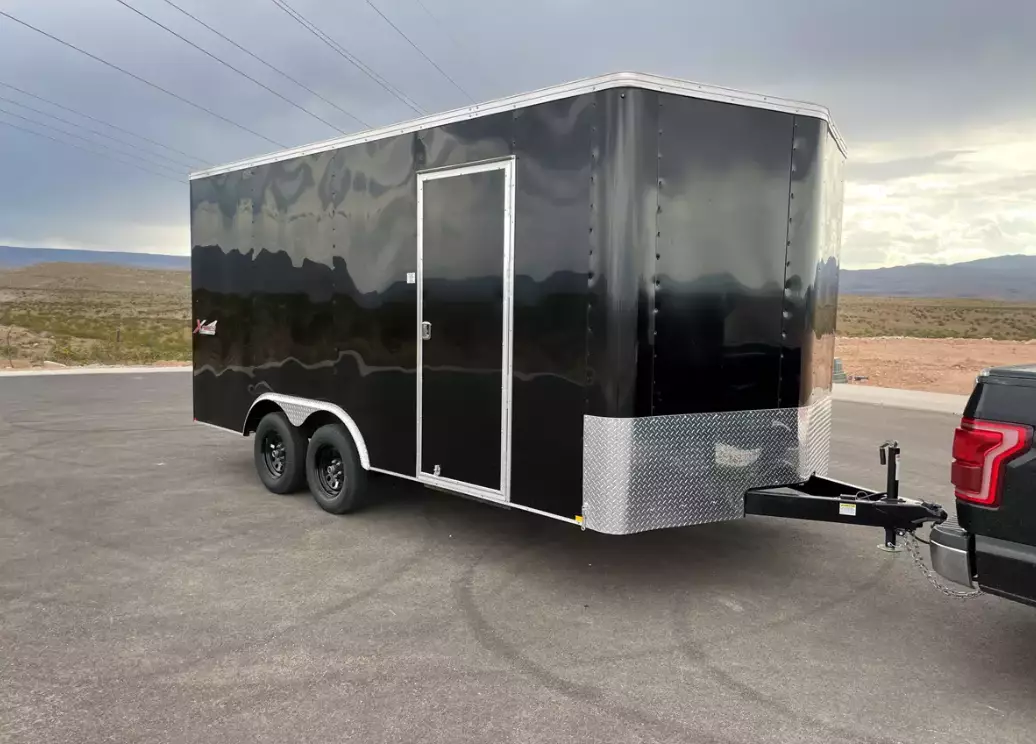
How to Measure the Tires on an Enclosed Trailer Properly
 Neighbors Trailer
Dec 16, 2023 385 6 min read Enclosed Trailer Renta
Picking the right tires for an enclosed trailer starts with one boring skill: knowing exactly what you have on the trailer right now. Get the measurement wrong and you end up with replacements that rub the fender, drag on the highway, or come up short on load capacity. Get it right and you can shop online with confidence, or hand a tire shop the numbers and walk out twenty minutes later.
This refreshed guide is the practical, tools-in-hand version. We will cover the three numbers that matter, how to read what is already stamped into the sidewall, and the most common mistakes owners make when measuring. Whether you tow an enclosed cargo trailer for work, weekend racing, or list it on a peer-to-peer rental marketplace, the same measurement habits apply.
The Three Numbers That Define a Trailer Tire
Every enclosed trailer tire boils down to three measurements that drive fitment, ride quality, and load capacity. Once you know these, the rest of the sidewall stamping makes sense.
- Diameter: The total height of the tire from the ground to the top. Diameter sets ground clearance and determines wheel size.
- Section width: The widest cross-section of the tire, measured in millimeters. Width influences load handling and how the trailer tracks behind your tow vehicle.
- Aspect ratio: The sidewall height expressed as a percentage of section width. Lower aspect ratios feel sharper and more stable; higher ratios soak up bumps and protect the rims.
For most enclosed trailers, you will see a sidewall code like ST205/75R15. That decodes to a Special Trailer (ST) tire, 205 mm wide, with a sidewall that is 75% of that width, on a 15-inch wheel.
The Tools You Actually Need
You do not need a tire shop's equipment to measure correctly. Five items cover every step.
| Tool | What It Measures | Why It Matters |
| Tape measure (6 ft+) | Overall diameter, sidewall height | Quick and reliable for full-tire heights |
| Digital caliper | Section width, tread depth | Far more accurate than tape on rubber edges |
| Tire pressure gauge | Cold pressure (PSI) | Measurements shift if tires are underinflated |
| Bubble level | Trailer level on the ground | An uneven trailer skews diameter readings |
| Notebook or phone | Records by axle position | Side-to-side variance is a wear signal |
Preparing the Trailer Before You Measure
The work before the measurement matters more than people think. Skipping these steps is the most common reason readings come out wrong.
- Park on a flat, paved surface and confirm level with the bubble level.
- Set the parking brake and chock at least one wheel on each side.
- Inflate every tire to the cold pressure printed on the sidewall.
- Wipe off mud, gravel, or salt residue that could lift the tape off the rubber.
- If the trailer was recently towed, let the tires cool for at least 30 minutes.
If a tire is visibly bulging, cupped, or aged, do not bother measuring; flag it for replacement first. Our tire condition guide covers what to look for in detail.
Measuring Diameter, Width, and Aspect Ratio
Diameter
Hold the tape measure flush at the pavement directly below the center of the tire and extend it straight up to the highest point of the tread. Read once, then re-read with the tire rotated a quarter turn. You should get the same number twice. Variance over a quarter-inch typically signals an out-of-round tire or worn shoulder.
Section Width
Use the caliper across the broadest part of the unloaded tread. If you only have a tape, lay it flat on the ground in front of the tire and read the distance the tire shadow covers. Section width is recorded in millimeters, even on imperial-marked rulers, so convert if needed.
Aspect Ratio
If the sidewall already shows the ratio (such as the 75 in ST205/75R15), you can skip the math. To verify, measure sidewall height from the rim flange to the top of the tread, divide by section width in millimeters, and multiply by 100. The chart below shows how aspect ratio swings ride feel for the same-width tire.
NeighborsTrailer.com
Reading the Sidewall Stamping
The full sidewall code packs more than just size. Reading it correctly turns the sidewall into a complete spec sheet.
- Size code: ST205/75R15 follows the size-aspect-construction-rim pattern explained above.
- Load index and speed rating: A number-letter pair like 89M. The number maps to a pound rating (89 = 1,279 lb per tire); the letter caps the speed rating.
- Load range: Letters such as C, D, or E indicate ply rating and overall load capacity. Most enclosed trailer tires fall in Range C or D.
- DOT code: Last four digits show week and year of manufacture. A tire over six years old should be replaced regardless of tread depth.
- Maximum cold pressure: The cap above which the tire is not designed to operate. Run at or near this number under full load.
If you are switching to a new-to-you trailer, our walkthrough on choosing the right replacement tires can save a costly mismatch.
Common Measurement Mistakes
Even careful owners trip on the same handful of issues. Avoid these and your numbers will hold up at any tire counter.
- Measuring while the trailer is hot from the road.
- Including the rim in the diameter measurement.
- Measuring across the shoulder lugs instead of the section's widest point.
- Forgetting to check pressure first; an under-inflated tire reads short and narrow.
- Trusting one tire as the spec for all four; sidewalls vary as tires age.
What Owners Should Do With the Numbers
Once you have diameter, width, aspect ratio, load index, and DOT date, you have everything you need to shop with confidence, file a maintenance record for your trailer, or set up a clean inspection sheet for renters. Owners listing on a peer-to-peer marketplace gain a real edge when they can prove tires were spec-matched and dated correctly; it shortens questions from renters at pickup and signals a well-cared-for trailer. If you have a flat or sudden pressure drop, the enclosed trailer flat tire guide walks through the roadside steps.
Related Articles
- How to Keep Trailer Tires in Excellent Condition
- How to Choose the Right Tires for Your Trailer
- Flat Tire Guide for Enclosed Trailer Rentals
- How to Prevent Dry Rot in Enclosed Trailer Tires
Content updated May 2026